Key Takeaways
- Visa is launching a global infrastructure to enable AI agents to shop and transact autonomously.
- This move, alongside reports of a 25% conversion uplift from Frasers Group's AI assistant, signals the acceleration of 'agentic commerce'.
The Innovation — What Visa Announced
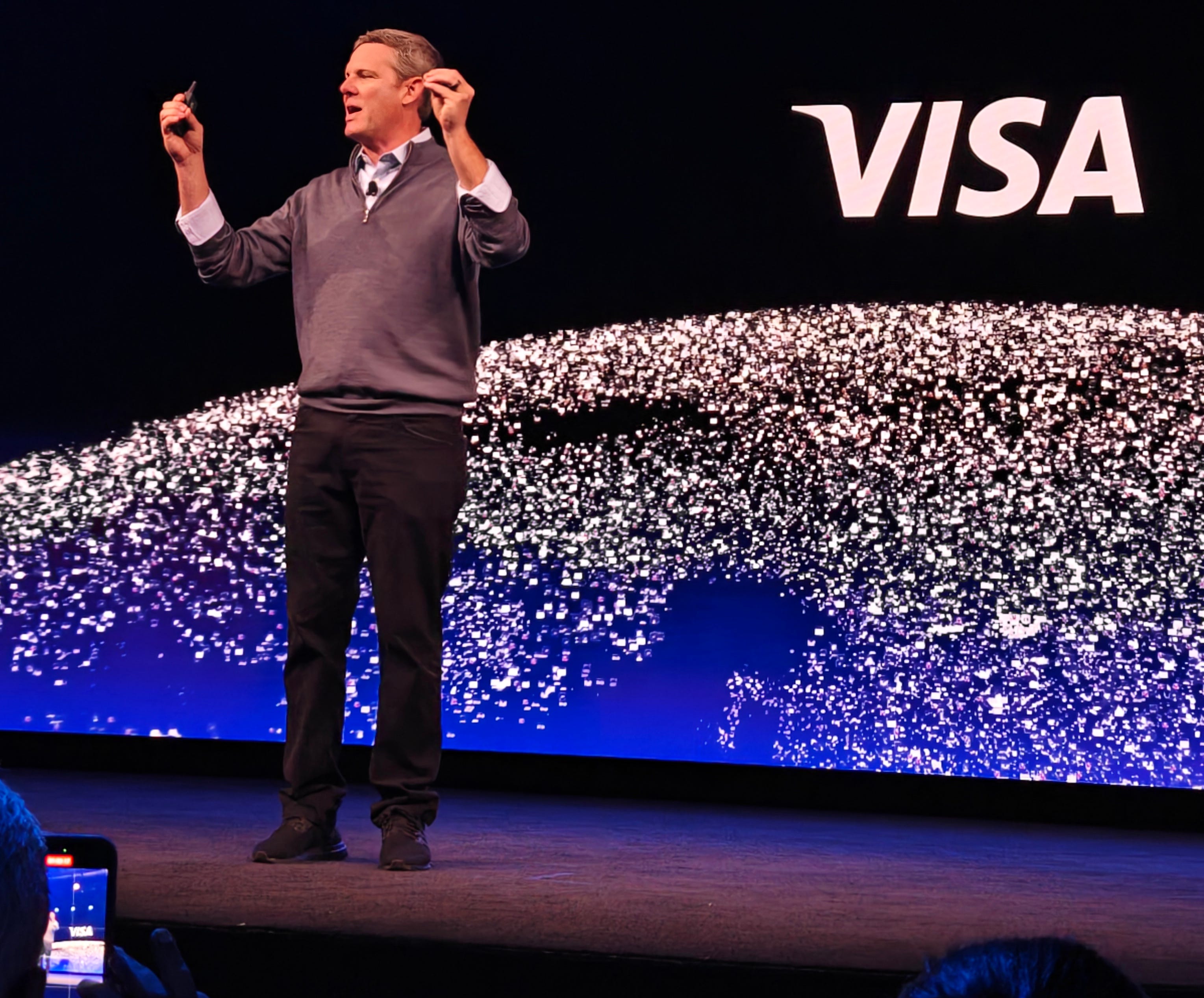
Visa, the global payments network, is rolling out an AI agent shopping infrastructure worldwide. While the source article's full details are obscured, the core announcement is clear: Visa is building the foundational rails for AI-powered agents to autonomously discover, select, and pay for goods and services. This infrastructure is designed to move beyond simple chatbots, enabling more sophisticated, goal-oriented AI agents to act as independent buyers on behalf of consumers or businesses.
This development is not happening in a vacuum. The source material references several related signals:
- Frasers Group, a major retail conglomerate, has already launched an AI-powered shopping assistant for its premium fashion retailer, Frasers, reporting a 25% uplift in conversion rates since its introduction.
- Amazon's RuleForge system demonstrates the operational efficiency of agentic AI, generating production-ready detection rules 336% faster than traditional methods.
- Industry analysis, referenced from sources like the WSJ, is framing this shift as "When AI Becomes the Buyer," underlining the transformative potential of "agentic commerce."
Visa's move is a critical enabler. It suggests the company is preparing for a future where commerce is not just assisted by AI but executed by it, requiring robust, secure, and scalable payment protocols that machines can use.
Why This Matters for Retail & Luxury
For luxury and premium retail, the implications are profound and dual-layered.
1. The New Customer Interface: AI shopping assistants, like the one deployed by Frasers, represent a hyper-personalized, always-available concierge. For high-consideration purchases typical in luxury—where storytelling, heritage, and fit are paramount—an AI agent that deeply understands a customer's preferences, size, past purchases, and even aspirational style can provide a superior, guided discovery experience. The reported 25% conversion uplift is a powerful early indicator of this potential.
2. The Autonomous Supply Chain & B2B Layer: Visa's infrastructure likely extends beyond consumer-facing bots. Agentic AI can autonomously manage business procurement, inventory replenishment, and supply chain logistics. Imagine an AI for a luxury brand's boutique that monitors best-selling items and autonomously places micro-orders with artisans or manufacturers, using Visa's infrastructure to settle invoices instantly. This aligns with the efficiency gains seen in Amazon's RuleForge, applied to the complex, often manual processes of luxury supply chains.
Business Impact
The immediate impact is the validation of AI shopping agents as a conversion and customer experience lever, as evidenced by Frasers Group's results. The long-term impact is the potential restructuring of the commerce funnel itself.
- Conversion & AOV: Personalized AI agents can reduce friction and indecision, potentially increasing average order value through perfect cross-selling and upselling.
- Operational Efficiency: Autonomous agents for B2B procurement and fraud detection (as hinted by Amazon's example) can significantly reduce administrative overhead and speed up processes.
- New Revenue Models: Brands could license or create proprietary AI shopping agents that act as stylists and buyers for their most loyal customers, creating a new, sticky service layer.
Implementation Approach
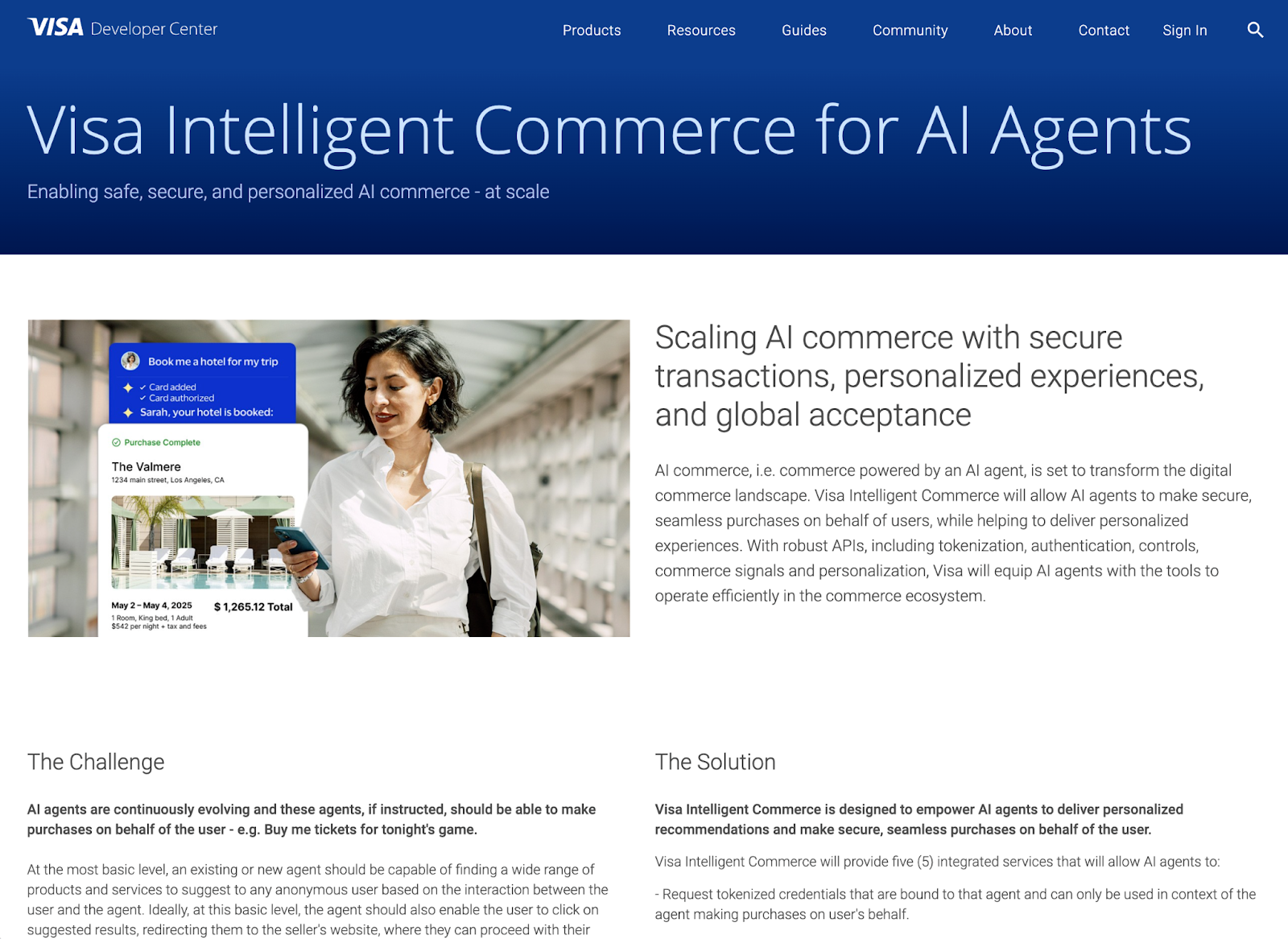
Adopting this vision requires a staged technical strategy:
- Foundation: Integrate with existing e-commerce platforms (Shopify, Salesforce Commerce Cloud) via APIs to expose product catalogs, inventory, and customer data securely.
- Agent Development: Build or license sophisticated LLM-based agents capable of understanding nuanced brand language, product attributes, and customer intent. This goes far beyond keyword matching.
- Payment Integration: Connect to Visa's new agentic infrastructure (or similar from other networks) to enable seamless, tokenized, and secure autonomous transactions.
- Orchestration Layer: Develop a system to manage multiple specialized agents (e.g., a styling agent, a checkout agent, a post-purchase care agent) that work together.
The complexity is high, requiring deep expertise in AI orchestration, data privacy, and payments integration. For most luxury houses, partnership with specialized tech providers will be the pragmatic path.
Governance & Risk Assessment
This shift introduces significant risks that luxury brands, with their reputations for discretion and exclusivity, must navigate carefully:
- Brand Dilution & Misrepresentation: An AI agent must communicate with the same tone, discretion, and expertise as a human sales associate. Hallucinations or inappropriate recommendations are brand-damaging.
- Data Privacy & Sovereignty: These agents require deep customer data access. Operating in regions like the EU and China necessitates robust, built-in compliance with GDPR and PIPL.
- Financial Liability & Fraud: Defining liability for erroneous or fraudulent autonomous transactions is an unresolved legal and technical challenge.
- Maturity Level: The technology is in early adoption. Visa's infrastructure launch is a key piece, but the ecosystem of reliable, brand-safe AI agents is still developing.
gentic.news Analysis
This announcement from Visa is a pivotal infrastructure play that validates and accelerates a trend we've been tracking. Frasers Group's successful deployment and the 25% conversion lift provide a concrete, compelling ROI case study for the retail sector, moving agentic AI from theory to measurable business impact.
The activity around this entity is trending (📈), indicating a surge in market movement. This follows a pattern of increased investment and experimentation in AI-driven commerce tools across the retail landscape. The reference to Amazon's RuleForge is instructive—it shows the principle of agentic efficiency is already being proven in adjacent operational areas, suggesting its migration to customer-facing and B2B commerce is a natural progression.
For luxury, the imperative is clear: the future of high-touch service may be digitally native and AI-powered. The competition will not be who has the best products, but who provides the most intuitive, intelligent, and seamless agent to guide the customer to them. Brands that wait for the ecosystem to mature risk ceding ground to early adopters like Frasers who are already capturing value and training their systems on real customer interactions. The strategic question is no longer if but how to integrate autonomous AI agents into the luxury service model without compromising the brand essence.