Epoch AI has opened FrontierMath's unsolved problems to public scrutiny, publishing editorial board commentary on the benchmark's design. The move, announced in late 2026, follows two years of secrecy and aims to verify AI systems' claims of solving advanced math problems.
Key facts
- Epoch AI opened FrontierMath's unsolved problems to public scrutiny
- Benchmark first introduced in late 2024
- Over 1,000 original, computational math problems
- Move follows two years of secrecy
- Aims to verify AI claims of solving advanced math
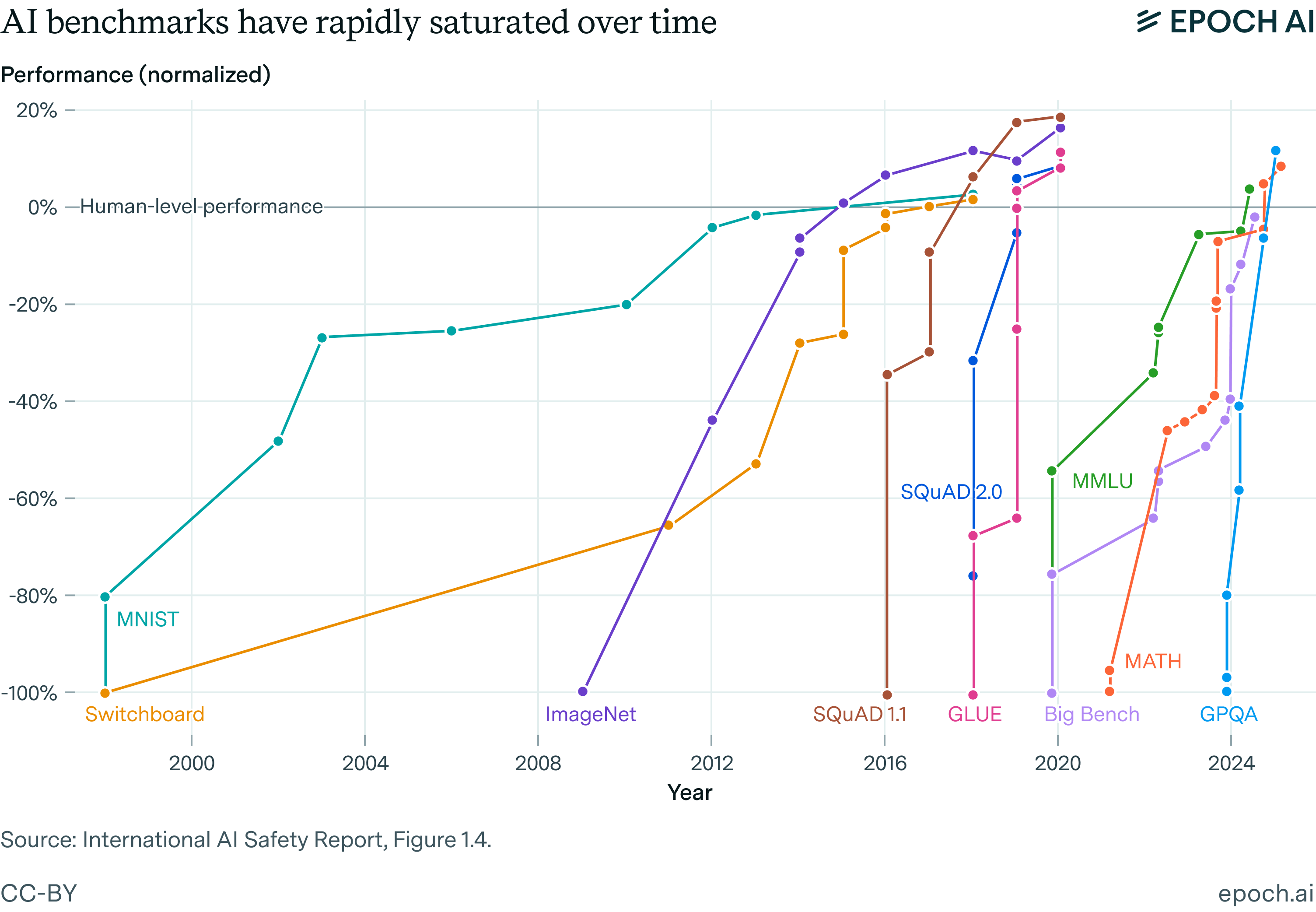
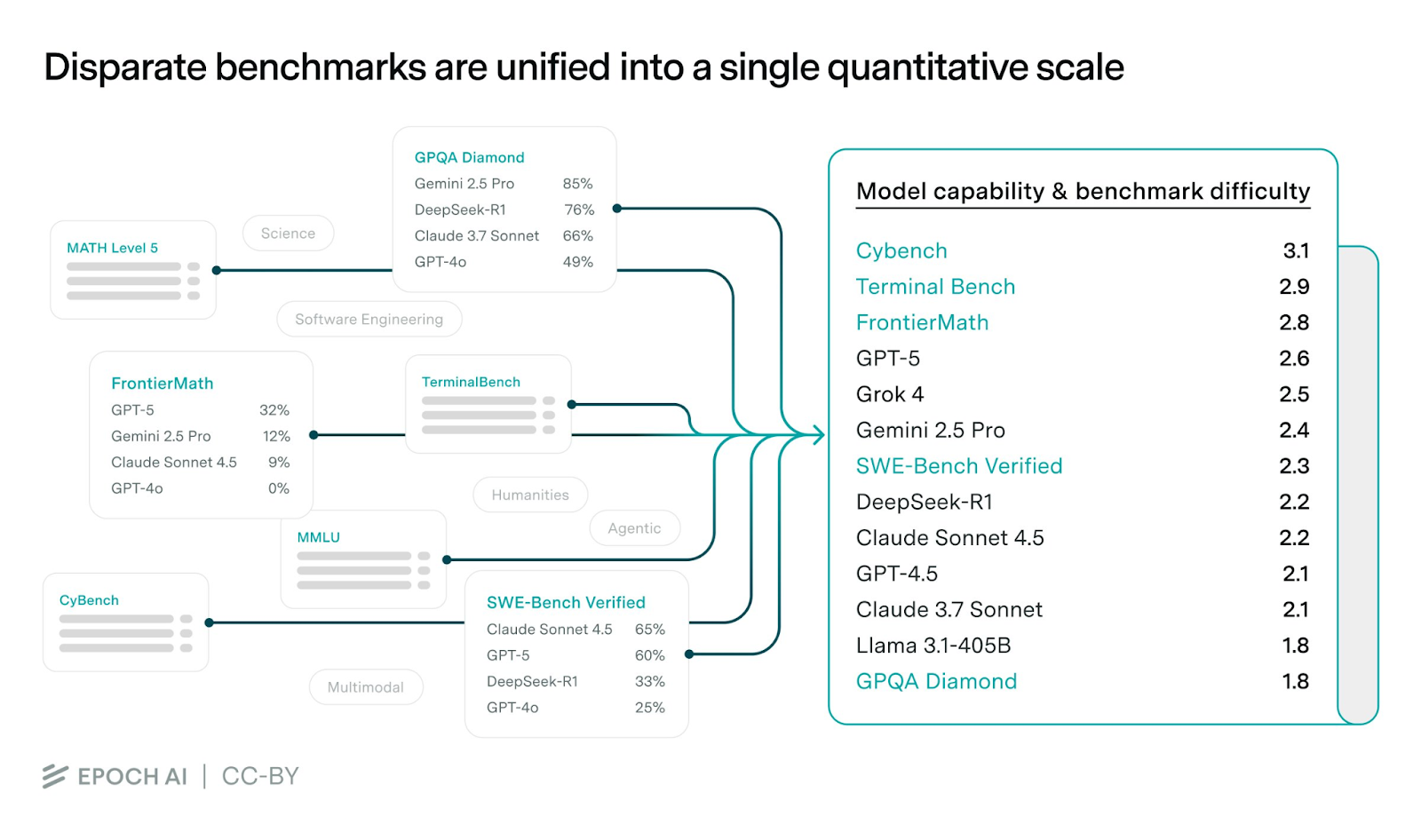
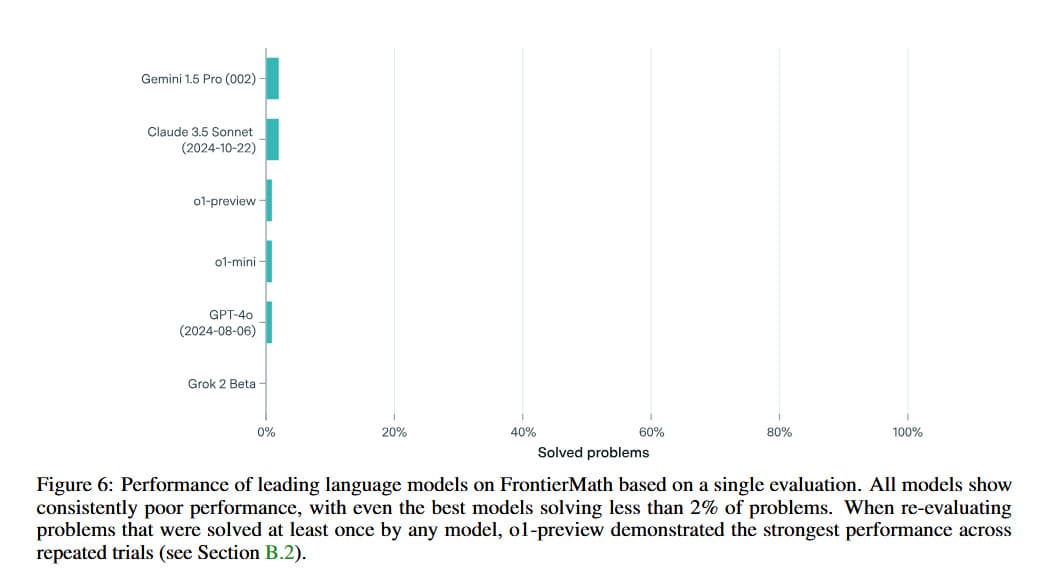
Epoch AI has opened FrontierMath's unsolved problems to public scrutiny, publishing editorial board commentary on the benchmark's design. The move, announced in late 2026, follows two years of secrecy and aims to verify AI systems' claims of solving advanced math problems. According to Epoch AI's editorial board commentary, the benchmark, first introduced in late 2024, consists of over 1,000 original, computational math problems designed to resist memorization. FrontierMath's problems require multi-step reasoning and advanced mathematical knowledge, making them a rigorous test for AI systems. The editorial board's commentary addresses the benchmark's limitations, including potential biases in problem selection. This transparency push comes as AI labs claim high solve rates on FrontierMath, raising questions about benchmark gaming. [According to the commentary], the open problems are intended to allow independent verification and foster community engagement. The move is part of a broader trend toward transparency in AI benchmarks, as seen with other efforts like the MMLU-Pro open evaluation. However, some critics argue that opening the problems could allow AI systems to train on them, compromising the benchmark's integrity. Epoch AI has not disclosed the exact number of problems that remain unsolved, but the commentary suggests that the open problems are a subset of the full benchmark. The editorial board's commentary also highlights the importance of maintaining rigorous evaluation standards in the face of rapid AI advancement. [According to the commentary], the benchmark's design was informed by consultations with professional mathematicians. This opening is a significant step for Epoch AI, which has been a key player in AI forecasting and benchmarking. The move could set a precedent for other AI benchmarks to follow, promoting greater accountability in AI evaluation. As AI systems continue to improve, the need for transparent and verifiable benchmarks becomes increasingly critical. The open problems are now available for public review, and Epoch AI encourages the research community to attempt solving them. The commentary also notes that the benchmark's problems are designed to be computationally verifiable, ensuring that solutions can be checked objectively. This transparency could help build trust in AI's mathematical capabilities, which are often cited as a sign of advanced reasoning. However, the potential for contamination remains a concern, as AI systems trained on public data could potentially memorize the problems. Epoch AI has not yet responded to these concerns, but the editorial board's commentary suggests that they are aware of the risks. The open problems are a valuable resource for researchers, providing a challenging set of problems that can be used to evaluate AI systems. This initiative aligns with Epoch AI's mission to provide data-driven insights into AI development. The move also comes at a time when the AI community is increasingly focused on the reliability of benchmarks, with several studies highlighting issues with existing evaluation methods. By opening FrontierMath's problems, Epoch AI is taking a proactive stance on benchmark transparency. The commentary is part of a broader effort to ensure that AI benchmarks remain relevant and trustworthy. As the field evolves, such transparency will be crucial for maintaining public confidence in AI capabilities. The open problems are now a public resource, and their impact on AI research will be closely watched.
Key Takeaways
- Epoch AI opened FrontierMath's unsolved problems to public scrutiny after two years, aiming to verify AI claims.
- The benchmark includes 1,000+ original math problems, with transparency seen as a step against benchmark gaming.
What to watch

Watch for independent researchers attempting the open problems and reporting solve rates. Also monitor whether AI labs like OpenAI or Google DeepMind publish new FrontierMath scores after the opening, and whether Epoch AI releases a formal contamination policy to address training-on-benchmark risks.
Source: news.google.com