Key Takeaways
- Fanuc has updated its robot arms with AI and computer vision, enabling them to handle flexible workflows rather than fixed, repetitive tasks.
- This shift allows for greater adaptability in manufacturing environments.
What Happened

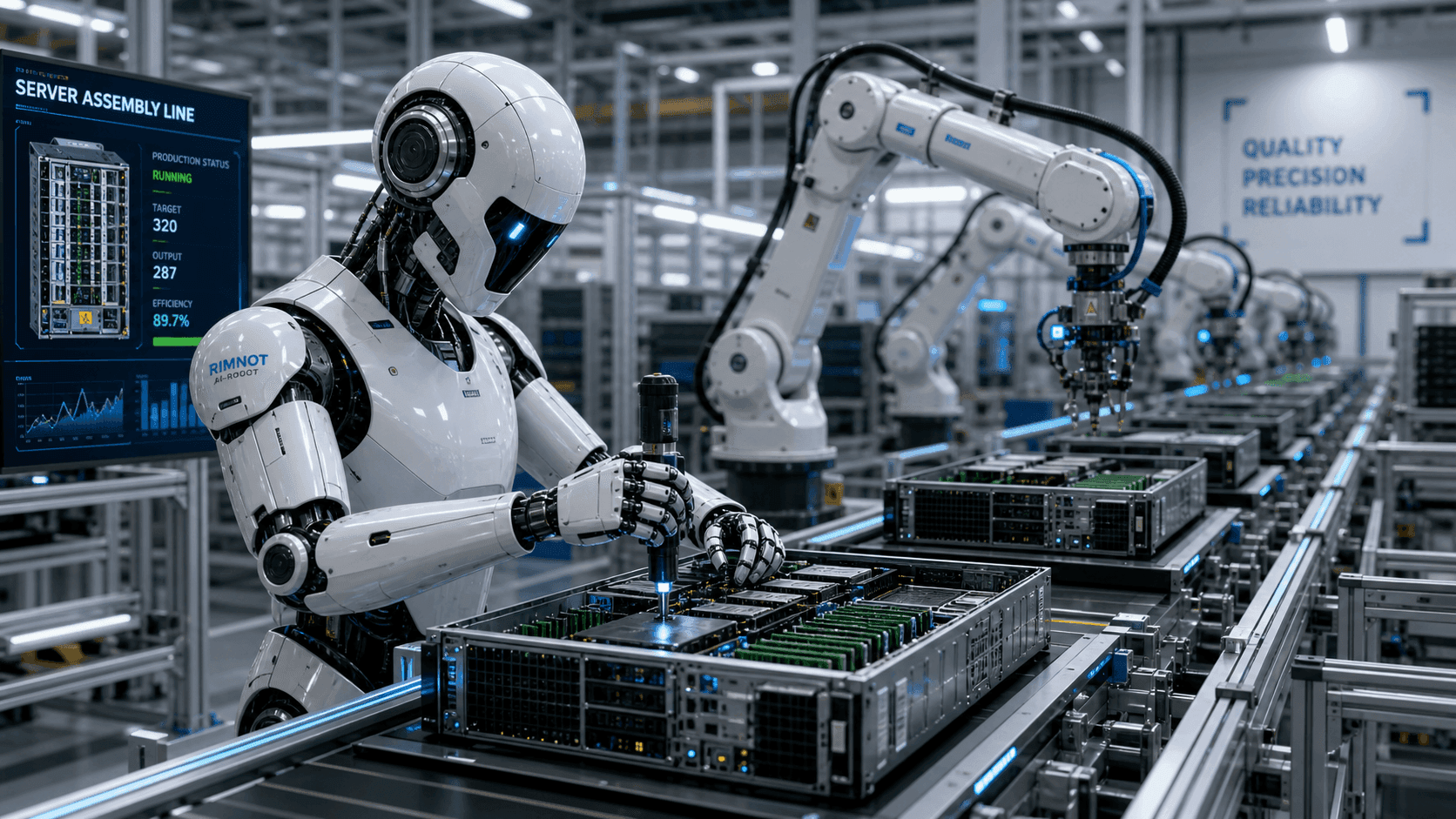
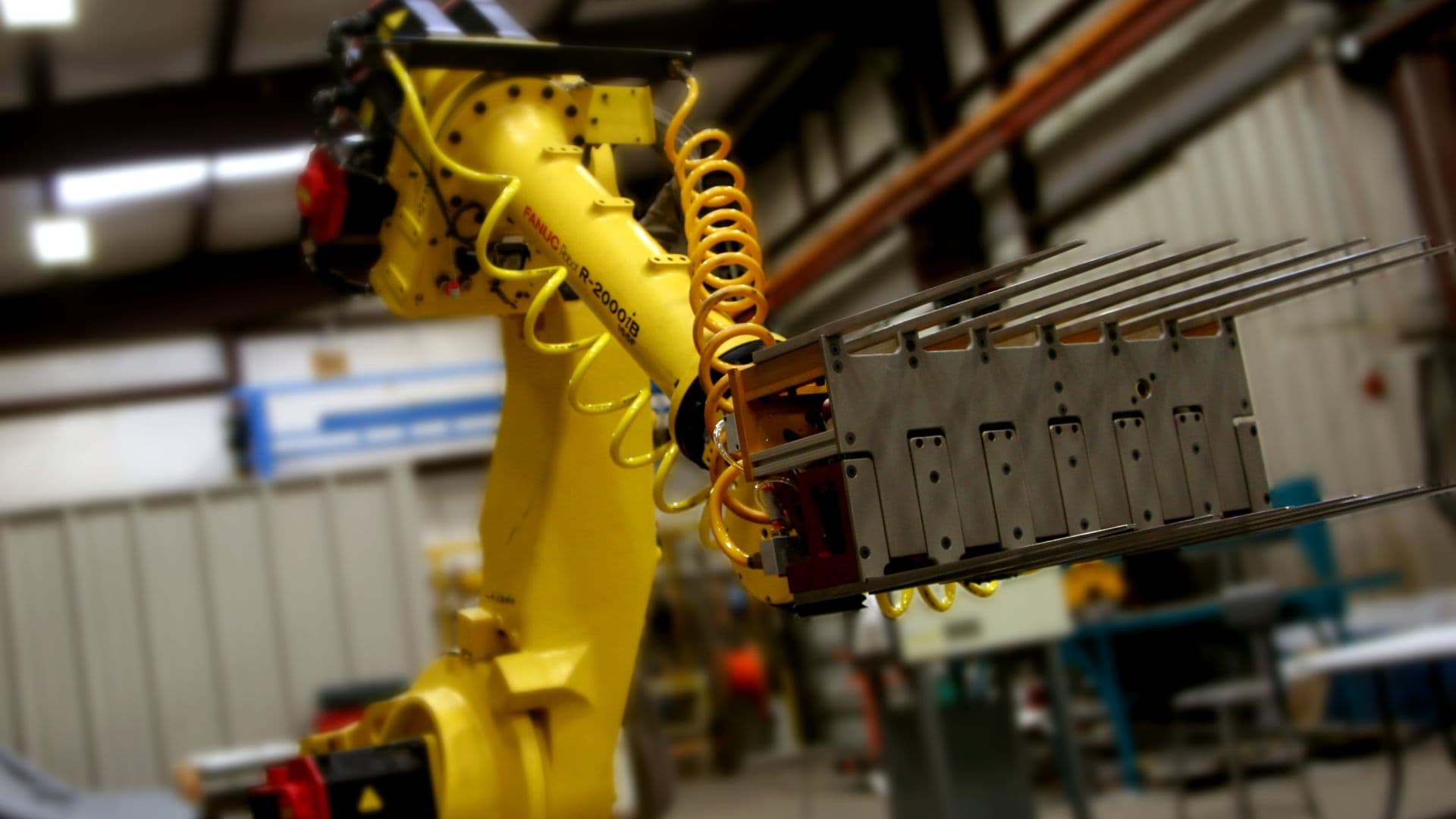
Fanuc, a leading industrial robotics manufacturer, has announced an upgrade to its robot arms that integrates AI and computer vision. According to DC Velocity, this enhancement allows the robots to adopt flexible workflows, moving beyond traditional pre-programmed, repetitive tasks.
The new system enables robot arms to perceive their environment and adjust actions in real-time, using visual data to identify objects, assess their position, and determine the appropriate handling method. This marks a significant departure from the rigid, one-task-fits-all approach that has historically defined industrial automation.
Technical Details
While the source does not provide granular technical specifications, the core innovation lies in combining two mature AI capabilities:
- Computer vision: Cameras and sensors allow the robot to 'see' and identify items, even if they are randomly placed or vary in shape and size.
- Machine learning: The system learns from experience, improving its ability to grasp and manipulate objects without explicit programming for every scenario.
This fusion enables what Fanuc calls 'flexible workflows' — the robot can switch between tasks (e.g., picking, sorting, packing) without manual reprogramming, reducing downtime and increasing throughput.
Retail & Luxury Implications
For retail and luxury operations, Fanuc's development has direct applicability in warehousing, distribution, and production environments:
- Warehouse automation: Robots that can handle mixed SKUs — from shoe boxes to handbags — without needing dedicated grippers or pre-sorted bins. This is critical for luxury brands that manage thousands of unique product variations.
- Quality inspection: Computer vision can identify defects in leather, stitching, or hardware, flagging items before they reach the customer.
- Packaging: Flexible robots can adapt to different box sizes and wrapping materials, reducing waste and improving speed.
However, luxury brands should note that Fanuc's system is designed for industrial-grade environments (e.g., distribution centers, production lines), not retail store floors. The cost and complexity of deployment remain significant barriers for smaller operations.
Business Impact
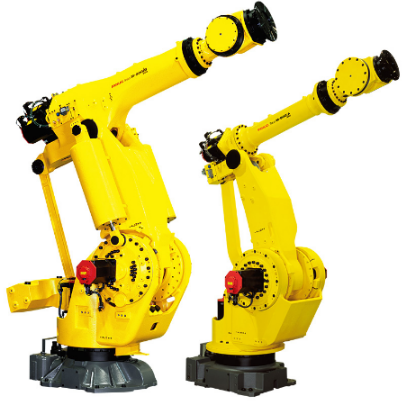
The shift to flexible robotics could reduce labor costs in warehousing by 20-40% (industry estimates) and improve order accuracy. For luxury brands, the ability to handle high-mix, low-volume production runs — a hallmark of bespoke manufacturing — becomes more feasible.
Fanuc's announcement also signals a competitive response to other industrial automation players like ABB, KUKA, and Yaskawa, all of whom are investing in AI-driven flexibility. The race is on to deliver robots that can 'think' as well as they can move.
Implementation Approach
Deploying Fanuc's AI-powered robot arms requires:
- Hardware: Fanuc robot arm with integrated cameras and sensors.
- Software: AI model training on specific objects and workflows (e.g., product shapes, packaging types).
- Integration: Connection to existing warehouse management systems (WMS) or enterprise resource planning (ERP) systems.
- Safety: Compliance with ISO 10218 for collaborative robots (cobots) if working alongside humans.
Complexity is moderate — the AI models require initial training data, but Fanuc likely provides pre-trained models for common use cases. Ongoing maintenance and updates are needed as product lines change.
Governance & Risk Assessment
- Privacy: Low risk — the system processes object images, not personal data.
- Bias: Low risk — object recognition bias is minimal compared to human-facing AI.
- Maturity: The technology is production-ready for industrial use, but luxury brands should pilot before full-scale deployment.
- Safety: Physical robots pose inherent risks; proper guarding and training are essential.
gentic.news Analysis
Fanuc's move is part of a broader trend we've tracked: industrial robotics companies are racing to embed AI into their hardware. This follows similar announcements from ABB (AI-powered pick-and-place) and KUKA (vision-guided assembly). The key differentiator for Fanuc is its massive installed base — over 4 million robots globally — which gives it a data advantage for training models.
For luxury brands, the implication is clear: the era of fixed automation is ending. Brands that invest in flexible robotics now will have a 2-3 year head start on competitors in warehouse efficiency and production agility. The challenge is cultural — luxury operations are often built around artisan craftsmanship, not robotic precision. The winning strategy will be hybrid: robots handling repetitive, high-volume tasks while humans focus on quality and customization.
We expect Fanuc to release more details on pricing and availability in Q2 2025. Luxury AI leaders should engage with Fanuc's systems integrators to run proof-of-concept trials in their distribution centers.