Key Takeaways
- The Four Seasons Kuala Lumpur is introducing AI to create personalized event experiences, from tailored menus to dynamic ambiance.
- This is part of a broader trend where luxury hotels are testing AI as a tool for deeper guest engagement and service differentiation.
The Innovation — What the Source Reports
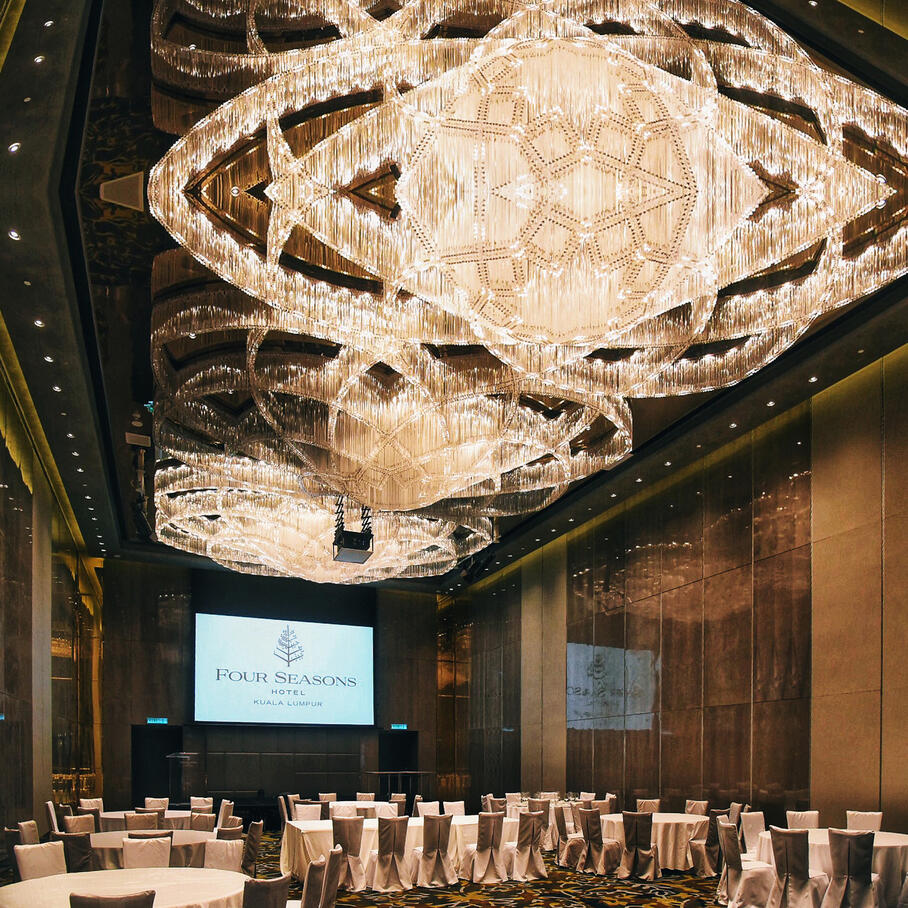
The Four Seasons Hotel Kuala Lumpur is implementing artificial intelligence to design and deliver personalized event experiences. While the specific technical partner is not named in the provided source, the initiative represents a clear move by a flagship luxury property to integrate AI directly into its core service offering for events.
The application focuses on the event planning and execution journey. The AI system is designed to analyze inputs—potentially including client preferences, historical event data, and real-time feedback—to generate highly customized experiences. This could manifest in several ways:
- Personalized Event Design: Tailoring everything from thematic décor and lighting to music playlists that align with the host's taste and the guests' demographic.
- Dynamic Culinary Curation: Moving beyond static menus to AI-suggested food and beverage pairings that consider dietary trends, cultural preferences, and past successful items for similar gatherings.
- Ambiance Optimization: Using sensor data (e.g., noise levels, occupancy) to automatically adjust environmental controls or suggest interventions to maintain the desired atmosphere.
The source frames this not as an isolated experiment, but as part of a wider industry movement where luxury hotels are actively testing new AI-driven engagement models. The goal is to move from standardized luxury to predictive, individualized service that deepens emotional connection and justifies premium positioning.
Why This Matters for Retail & Luxury
For retail and luxury executives, this hotel case study is a direct parallel to their own challenges in customer experience. The principles of hyper-personalization, experiential luxury, and service anticipation are universal.
- Beyond Transactional Retail: Just as a hotel event is a multi-sensory experience, so is purchasing a high-end handbag, attending a fashion show, or receiving bespoke tailoring. AI that can orchestrate a hotel event's ambiance can similarly design in-store experiences, VIP shopping appointments, or post-purchase engagement journeys.
- Data-Driven Personalization at Scale: Luxury has always been personal, but traditionally at boutique scale. AI offers the promise of applying the concierge's intuition—knowing what a guest wants before they ask—to thousands of customers simultaneously. For a brand like LVMH or Richemont, this means potentially personalizing marketing, product recommendations, and clienteling outreach across all touchpoints.
- Competitive Differentiation: In a market where product quality is a given, competition shifts to the quality of the experience and the depth of the relationship. Being first to deploy AI in a sophisticated, guest-facing manner—as Four Seasons is doing—creates a powerful narrative of innovation and forward-thinking service.
Business Impact
The direct business impact for Four Seasons Kuala Lumpur is likely measured in:
- Increased Event Revenue: Higher conversion rates for event bookings and increased spend per event due to premium, personalized offerings.
- Enhanced Brand Loyalty: Creating "unforgettable" AI-facilitated events strengthens emotional bonds, turning clients into advocates and repeat customers.
- Operational Efficiency: Streamlining the event planning process for staff, reducing time spent on back-and-forth customization and allowing them to focus on high-touch service execution.
For the broader luxury retail sector, the proven success of such models in adjacent industries (luxury hospitality) de-risks investment and provides a clear blueprint. The ROI shifts from pure cost-saving to value-creation through elevated customer lifetime value (CLV) and market share capture.
Implementation Approach

Implementing a similar system in a retail context would require a focused, phased approach:
- Foundation Layer: A unified customer data platform (CDP) that aggregates first-party data from POS, CRM, website, and app interactions. This is the non-negotiable prerequisite.
- AI/ML Layer: Deployment of recommendation engines, natural language processing for client communication analysis, and potentially computer vision for in-store engagement tracking (with strict privacy governance).
- Orchestration Layer: An integration system that allows the AI's insights to trigger actions—personalizing a digital storefront, alerting a sales associate, generating a custom product proposal, or adjusting in-store music and lighting.
The complexity is high, requiring close collaboration between data science, IT, and customer-facing teams. The effort is significant but can start with a pilot in a single high-value domain, such as VIP clienteling or flagship store experiences.
Governance & Risk Assessment
This move into deeper AI-driven personalization brings critical risks that luxury brands, with their reputations for discretion and trust, must navigate meticulously:
- Privacy & Data Sovereignty: Using personal data to fuel experiences must be transparent and consensual. Luxury clients are particularly sensitive to how their information is used. Anonymization and aggregation where possible are key.
- The "Soulless" Risk: The core of luxury is human connection and craftsmanship. AI must be an enabler for staff, not a replacement. The technology should empower the sales associate or concierge with insights, not remove them from the equation.
- Bias & Relevance: AI models trained on historical data can perpetuate past biases or miss emerging, niche trends. Continuous human oversight and model auditing are essential to ensure recommendations feel genuinely personalized and culturally attuned, not stereotypical.
- Maturity Level: This is early-stage, strategic experimentation. The Four Seasons pilot is a leading indicator, not a mature, plug-and-play solution. Retailers should view this as a 2-3 year journey to operational maturity, starting with foundational data work.
gentic.news Analysis
This development at Four Seasons Kuala Lumpur is a significant data point in the convergence of luxury hospitality and luxury retail tech stacks. It follows a pattern we've tracked where experiential luxury sectors are becoming early adopters of ambient, service-oriented AI. This aligns with our previous coverage on Marriott's AI-powered room customization and the use of generative AI for personalized travel itineraries at high-end tour operators.
The entity Four Seasons Hotels and Resorts has been trending (📈) in our knowledge graph for its strategic technology partnerships, particularly in the Asia-Pacific region. This Kuala Lumpur pilot is likely a testbed for a broader rollout across its portfolio, competing directly with rivals like Mandarin Oriental and The Ritz-Carlton, who are also investing in guest experience AI.
For our retail audience, the critical takeaway is the operational model: using AI not for chatbots or inventory management, but as a creative co-pilot for experience design. This is directly applicable to designing in-store events, pop-ups, and client appreciation suites. The partnerships being formed between luxury hotels and AI experience platforms (entities like Zoku or Mews in our KG) are the same types of partners retail brands should be evaluating for physical experience orchestration.
The timeline suggests we are moving from the "internal efficiency" phase of AI in luxury to the "external experience augmentation" phase. The brands that learn to wield these tools to enhance, rather than automate, human-delivered luxury will define the next decade of customer loyalty.