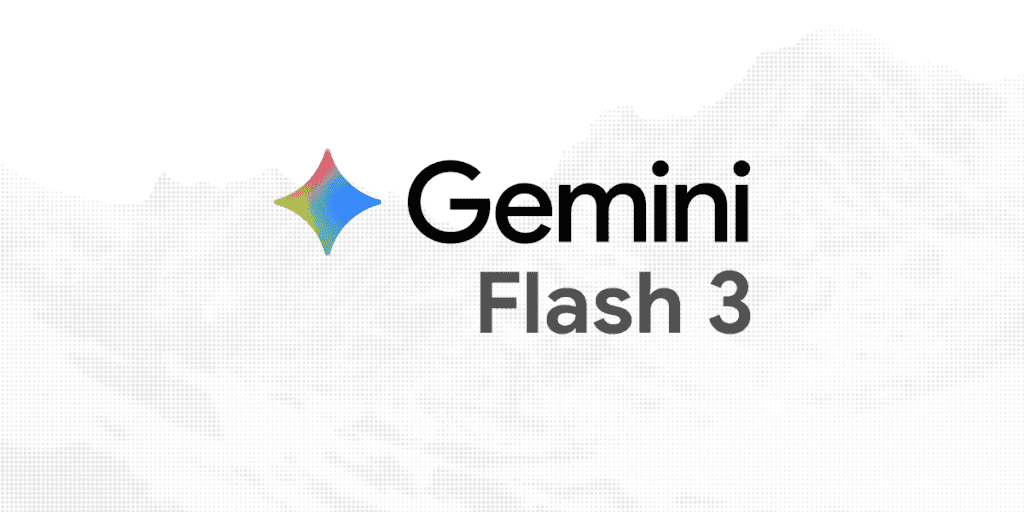
Google has announced the upcoming release of Gemini 3.1 Flash, a lightweight version of its flagship AI model optimized for speed and efficiency. This development comes at a critical moment in the AI landscape, with OpenAI reportedly preparing its own next-generation release, creating what industry observers are calling a "clash of titans" in artificial intelligence development.
The Gemini 3.1 Flash Announcement
According to sources including developer Kimmonismus on X (formerly Twitter), Google is preparing to launch Gemini 3.1 Flash as part of its ongoing efforts to compete in the rapidly evolving AI market. While specific technical details remain limited in the initial announcement, the "Flash" designation suggests a model optimized for rapid inference and lower computational requirements compared to its larger counterparts.
This strategic move follows Google's previous Gemini releases, which have positioned the company as a serious competitor to OpenAI's ChatGPT and GPT models. The timing appears deliberate, arriving just as speculation mounts about OpenAI's next major model release.
The Competitive Landscape
The AI industry has entered what many analysts describe as its most competitive phase yet. Google's announcement of Gemini 3.1 Flash represents a strategic positioning against OpenAI's anticipated "big boy" release referenced in the original source material. This competitive dynamic has accelerated innovation but also raised questions about market consolidation and the sustainability of the current development pace.
Both companies are pursuing different but complementary strategies. Google appears focused on creating a spectrum of models for different use cases, while OpenAI has traditionally emphasized pushing the boundaries of what's possible with increasingly large and capable models. The emergence of Gemini 3.1 Flash suggests Google recognizes the market need for efficient, specialized models alongside more general-purpose systems.
Technical Implications
While full specifications for Gemini 3.1 Flash haven't been released, the "Flash" designation typically indicates several key characteristics:
- Optimized for speed: Faster response times compared to full-sized models
- Reduced computational requirements: Lower costs for both providers and users
- Specialized capabilities: Potentially optimized for specific tasks or industries
- Improved accessibility: Lower barriers to entry for developers and smaller organizations
This approach contrasts with the trend toward increasingly massive models that require substantial computational resources. By offering a lighter-weight alternative, Google may be targeting developers and enterprises who need AI capabilities but don't require or can't afford the most powerful models available.
Market Timing and Strategic Positioning
The timing of Google's announcement appears strategically significant. By announcing Gemini 3.1 Flash just as OpenAI prepares its next major release, Google may be attempting to capture attention and market momentum. This "preemptive strike" strategy is common in competitive technology markets, where being first to announce can influence developer adoption and media coverage.
For developers and enterprise users, this competition creates both opportunities and challenges. On one hand, increased competition typically drives innovation and potentially lowers costs. On the other, the rapid pace of releases can create integration challenges and make long-term planning difficult.
Implications for Developers and Enterprises
The emergence of Gemini 3.1 Flash has several important implications:
- Increased choice: Developers now have more options when selecting AI models for their applications
- Cost considerations: Lighter-weight models may offer better price-performance ratios for certain use cases
- Specialization opportunities: Different models may excel at different tasks, allowing for more targeted implementations
- Integration complexity: Managing multiple AI models and APIs adds complexity to development workflows
For enterprises, this development suggests that the AI market is maturing beyond a simple "biggest is best" mentality toward more nuanced considerations of efficiency, specialization, and total cost of ownership.
The Broader AI Ecosystem
Google's announcement and OpenAI's anticipated response occur within a broader context of AI development that includes:
- Open-source alternatives: Models like Meta's Llama series that offer different trade-offs
- Specialized providers: Companies focusing on specific industries or applications
- Regulatory developments: Increasing government attention on AI safety and competition
- Hardware considerations: The relationship between model efficiency and hardware requirements
This ecosystem approach to AI development suggests that the future may involve not just competition between individual models, but between entire platforms and ecosystems.
Looking Forward
As both Google and OpenAI prepare their next releases, several questions remain:
- How will Gemini 3.1 Flash compare technically to OpenAI's upcoming model?
- What pricing and accessibility strategies will each company employ?
- How will developers respond to having more specialized options available?
- What impact will this competition have on the broader AI research community?
What's clear is that the AI industry is entering a new phase of competition and specialization. Rather than a simple race to create the largest model, companies are now developing portfolios of models optimized for different use cases and requirements.
Conclusion
Google's announcement of Gemini 3.1 Flash represents a significant development in the ongoing competition between major AI providers. By offering a lightweight, efficient alternative to larger models, Google is addressing market needs that may not be fully served by the current generation of massive AI systems. As OpenAI prepares its response, the AI industry appears poised for increased specialization, competition, and innovation.
The coming months will reveal whether this approach resonates with developers and enterprises, and how it influences the broader trajectory of AI development. What's certain is that users stand to benefit from having more options and potentially better price-performance characteristics for their AI implementations.
Source: Initial announcement via @kimmonismus on X/Twitter