Key Takeaways
- Early user reports highlight GPT-5.5 in Codex as a major leap in coding AI, with sharper responses and better intent understanding.
- This positions OpenAI to further dominate the AI-assisted coding market.
What Happened
A developer on X (formerly Twitter) has given an early, enthusiastic hands-on review of GPT-5.5 in OpenAI's Codex environment. The user, @omarsar0, praised the model for its sharp responses, superior intent understanding, and smooth, uninterrupted workflow. The post included an image of a “beautiful artifact design” generated by the model.
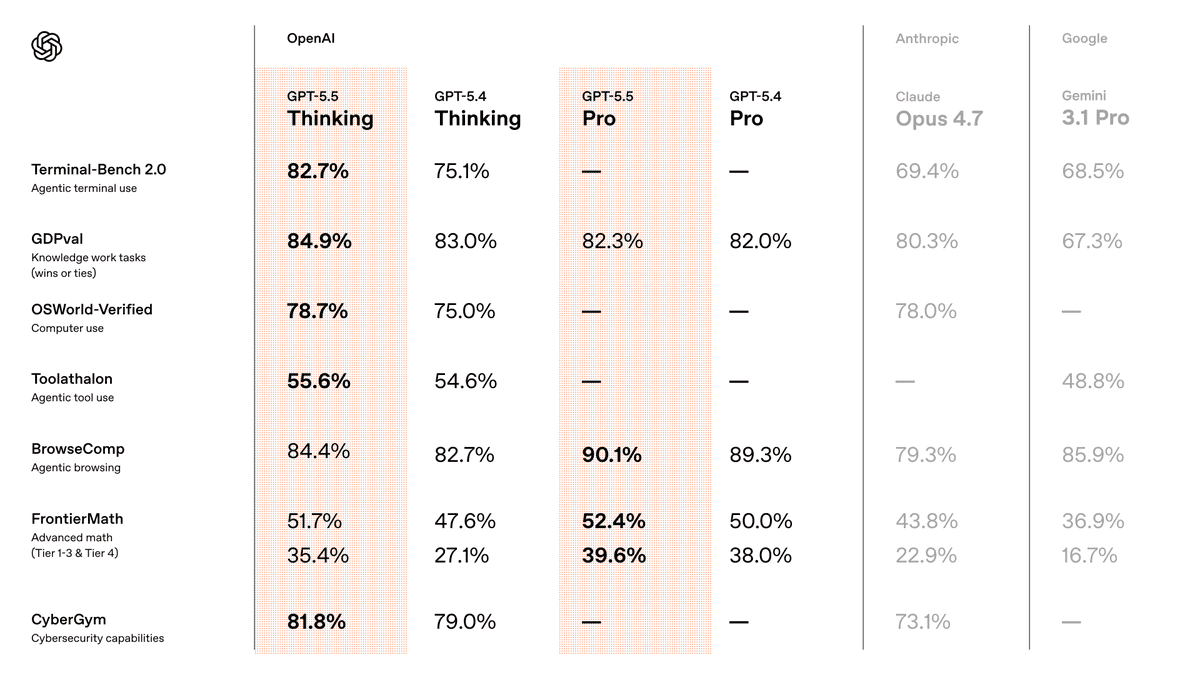
While this is a single anecdotal report, it offers a rare glimpse into the performance of GPT-5.5 in a production coding tool before any official benchmark release from OpenAI.
Key Observations from the User Report
Response Quality "Super sharp with responses" — implying high accuracy and relevance Intent Understanding "Understands intent better than any model" — a clear step up from previous versions Personality "Great 'personality'" — suggesting a more natural, conversational interaction style Workflow Efficiency "Gets lots of stuff done without pausing unnecessarily" — fewer interruptions, faster completionsContext: GPT-5.5 and Codex
GPT-5.5 is OpenAI's latest incremental model, likely a fine-tuned variant of GPT-5 optimized for coding and reasoning tasks. Codex is OpenAI's dedicated coding environment that integrates GPT models directly into an IDE-like interface, offering artifact generation, code completion, and debugging assistance.
This report aligns with OpenAI's strategy of deploying model improvements first in specialized tools like Codex before wider API releases. The emphasis on "intent understanding" suggests improvements in instruction following and context retention — a known pain point in earlier GPT-4 and GPT-5 iterations.
How It Compares
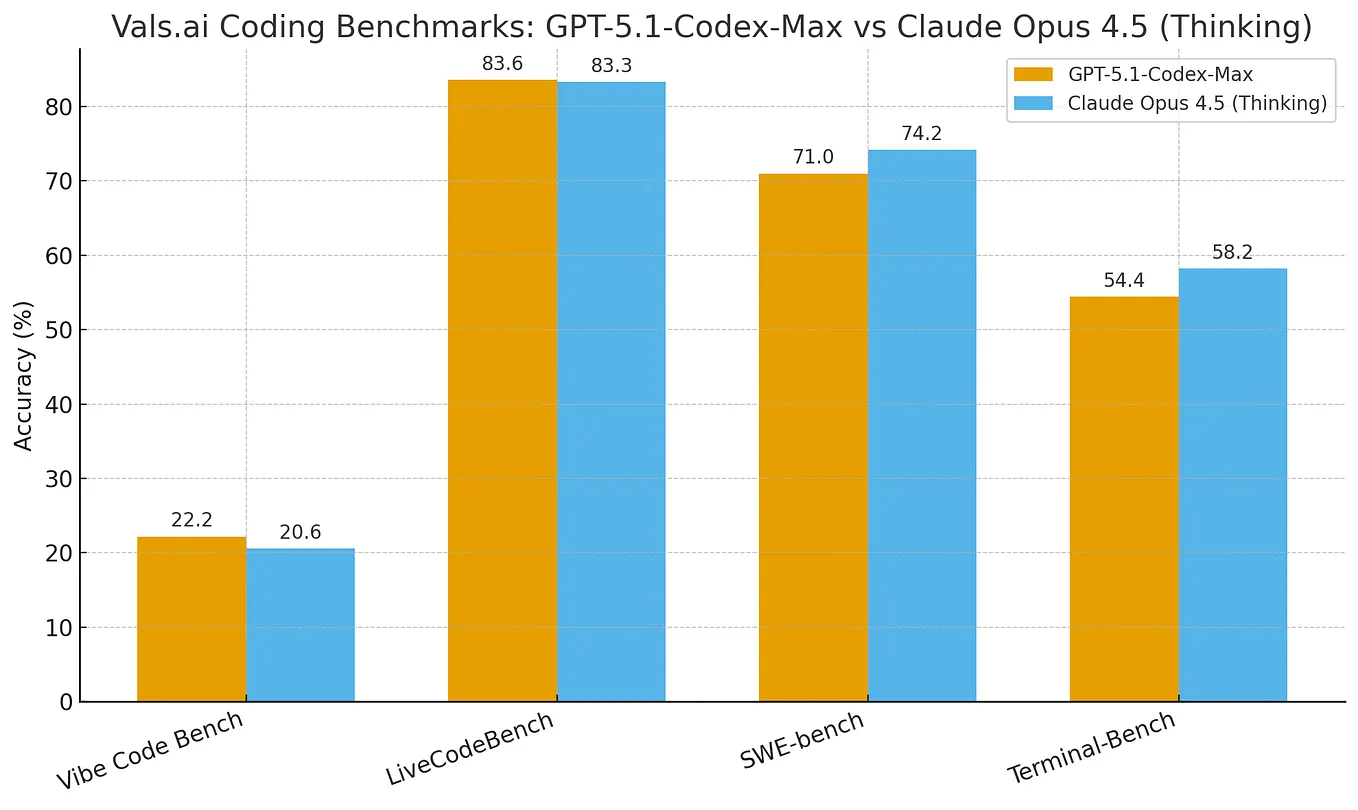
While direct benchmarks are unavailable, the user's comparison to "any model" implies GPT-5.5 in Codex outperforms not only previous OpenAI models but also competitors like:
- Claude 3.5/4 (Anthropic) — known for nuanced instruction following
- Gemini 2.0 (Google DeepMind) — strong in code generation and reasoning
- DeepSeek-R1 — a leading open-weight alternative
If GPT-5.5's intent understanding is genuinely superior, it would represent a significant narrowing of the gap between coding AI assistants and truly autonomous software development agents.
What to Watch
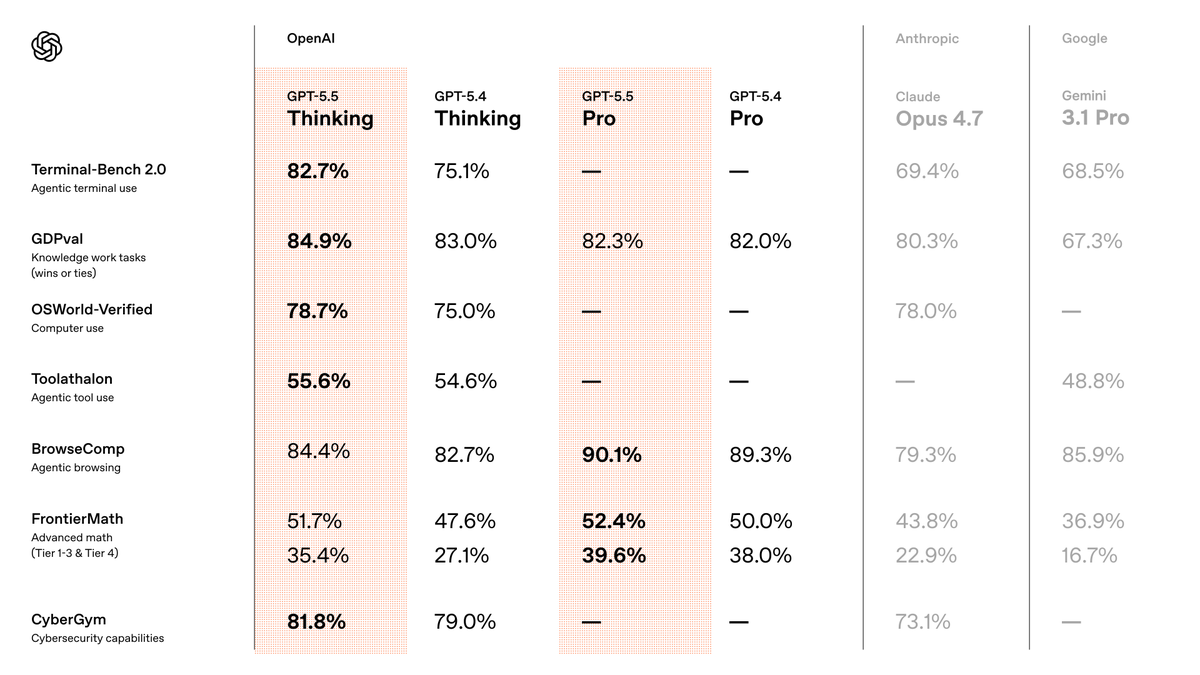
- Official benchmarks: OpenAI has not published GPT-5.5 benchmarks for coding tasks like SWE-Bench or HumanEval. Independent verification is needed.
- Wider rollout: Currently limited to Codex. A broader API release would allow third-party integration and more rigorous evaluation.
- Competitive response: Anthropic and Google are likely accelerating their own coding model updates. We may see Claude 4 or Gemini 2.5 releases in response.
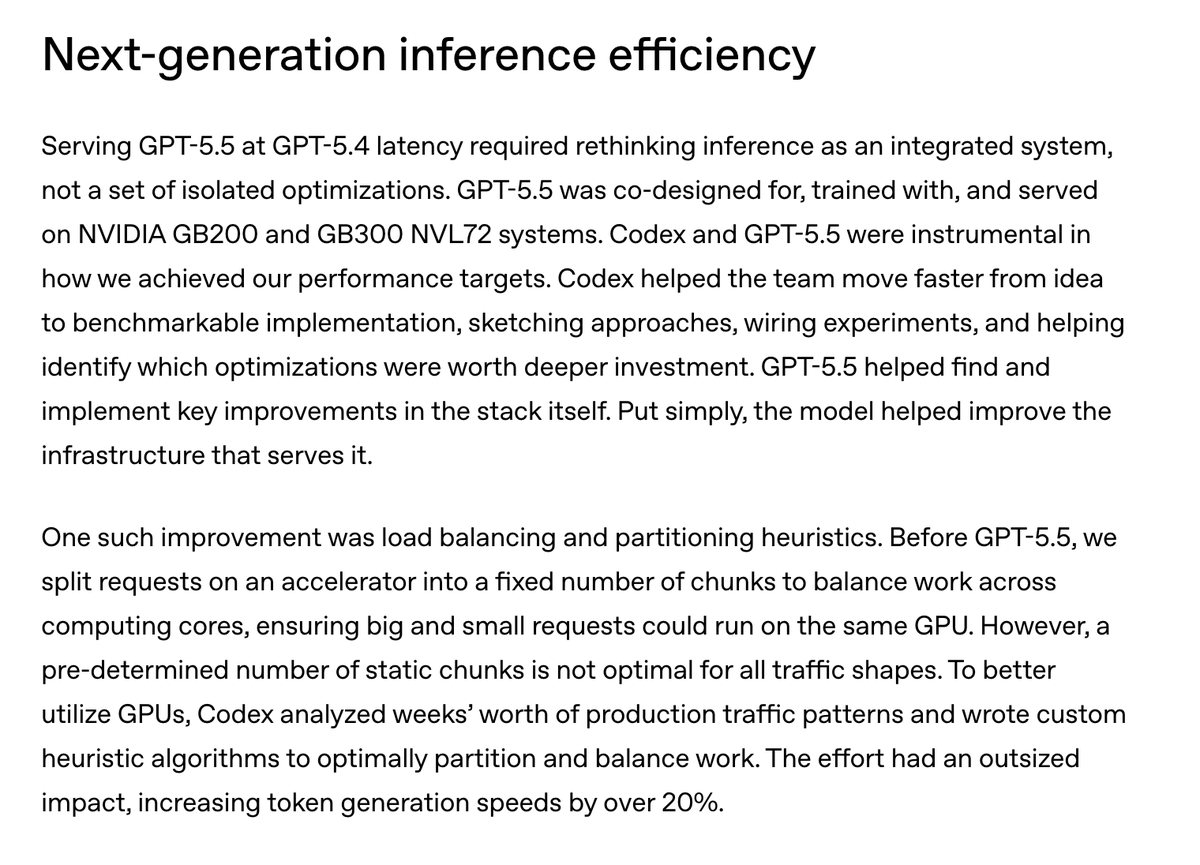
- Latency and cost: The user noted "no unnecessary pausing," but inference speed and per-token pricing for GPT-5.5 remain unconfirmed.
gentic.news Analysis
This early user report of GPT-5.5 in Codex fits a clear pattern we've tracked at gentic.news: OpenAI is increasingly using Codex as a controlled testing ground for model improvements before broader deployment. We previously reported on GPT-5's initial coding capabilities in January 2026, where early users noted similar improvements in response quality but flagged inconsistencies in long-context tasks. GPT-5.5 appears to address those gaps, particularly in intent understanding.
The timing is strategic. With DeepSeek-R1 gaining traction among cost-sensitive developers and Anthropic's Claude 4 reportedly in internal testing, OpenAI needs to maintain its lead in the coding assistant market. Codex has become the flagship product for this competition — and GPT-5.5's performance here directly impacts developer adoption and enterprise contracts.
What's particularly interesting is the emphasis on "personality." This suggests OpenAI is investing in the human-AI interaction layer, not just raw benchmark performance. For developers spending hours in the IDE, a model that feels more natural and less robotic could be a stronger differentiator than a 2% MMLU improvement. This aligns with our coverage of the trend toward AI agents with better "social" interfaces — we noted this in our analysis of Google's Gemini 2.0 launch last month.
However, a single user report is not a trend. We need to see:
- Multiple independent user reports
- Published benchmarks on SWE-Bench Verified and HumanEval
- Third-party evaluations of GPT-5.5 vs. Claude 4 and DeepSeek-R1
Until then, this is promising but not definitive. Developers should test GPT-5.5 in Codex on their own workflows before making migration decisions.
Frequently Asked Questions
What is GPT-5.5 and how is it different from GPT-5?
GPT-5.5 is an incremental improvement over GPT-5, fine-tuned specifically for coding and reasoning tasks. Early reports suggest better intent understanding, sharper responses, and a more natural conversational style. Exact architectural changes have not been disclosed by OpenAI.
Is GPT-5.5 available outside of Codex?
Currently, GPT-5.5 appears to be limited to OpenAI's Codex coding environment. There is no announced timeline for a wider API release or integration into ChatGPT.
How does GPT-5.5 compare to Claude 4 or DeepSeek-R1?
Direct comparisons are not yet possible due to a lack of published benchmarks. However, the user report claims GPT-5.5 "understands intent better than any model," which if verified, would put it ahead of Claude 4 and DeepSeek-R1 in instruction-following tasks.
Should I switch to Codex for GPT-5.5?
If you are a heavy Codex user, the upgrade to GPT-5.5 is automatic and worth testing on your specific workflows. For developers using other IDEs or tools, wait for independent benchmarks and broader API availability before making a switch.