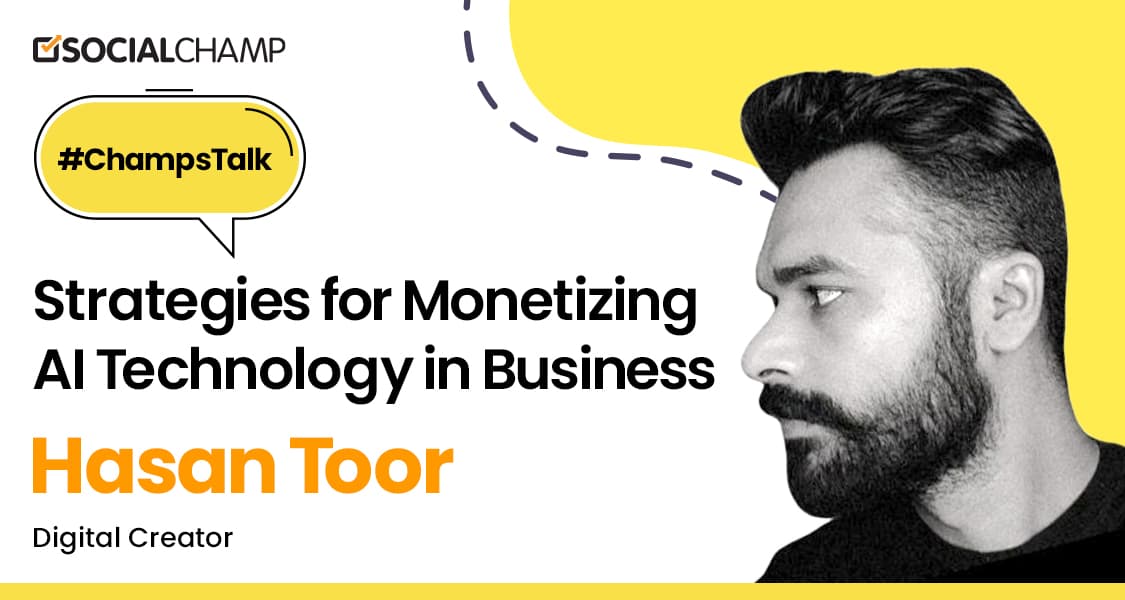
AI and tech influencer Hasan Toor posted a tweet on X claiming a breakthrough in sales automation. The post, which has since been deleted, stated: "BREAKING 🚨: THIS IS THE FIRST AI SALES TOOL THAT DOES THE WHOLE JOB. PERIOD. NOT JUST DATA. NOT JUST ENRICHMENT. NOT JUST T…"
The tweet cuts off, leaving the full capabilities and the tool's name unspecified. The claim positions the tool as an end-to-end solution for sales, moving beyond the current market of point solutions that handle individual tasks like lead generation, data enrichment, or email outreach.
What Happened
Hasan Toor, a prominent figure in the AI and startup community on X, made a bold but vague announcement about a new AI sales tool. The core claim is that this tool is the first to perform the entire sales function autonomously. The tweet did not link to a website, whitepaper, or product launch page, nor did it name the developing company or provide any screenshots, demos, or technical benchmarks.
Context
The sales tech ("sales tech") market is crowded with AI-powered tools that automate specific parts of the sales pipeline. Common categories include:
- Lead Finders & Enrichment: Tools like Apollo.io, ZoomInfo, and Lusha that find and augment contact data.
- Outreach Automation: Platforms like Outreach, Salesloft, and Lavender that help scale and personalize email sequences.
- Conversational AI: Chatbots and call analysis tools from companies like Gong, Chorus.ai, and Cresta.
- CRM Copilots: AI assistants integrated into CRMs like Salesforce and HubSpot.
The promise of a single tool that unifies prospecting, outreach, engagement, and closing into a fully autonomous agent represents a significant, yet unproven, leap. It implies a system capable of complex, multi-step reasoning, personalized communication at scale, and integration across disparate data sources and platforms—a challenge that has so far eluded the industry.
gentic.news Analysis
This announcement, while light on substance, taps directly into the dominant trend in enterprise AI for 2025-2026: the shift from copilots to agentic workflows. As we covered in our analysis of Cognition AI's Devin and Google's Astra, the industry's focus has moved from tools that assist humans to systems that can execute multi-step tasks with minimal supervision. A sales agent that "does the whole job" is the logical endpoint of this trend for revenue operations.
However, the complete lack of detail is a major red flag. Legitimate launches in this space, such as Reworkd's AgentHub or MultiOn's web automation agent, are accompanied by technical blogs, API documentation, and waitlist sign-ups. Toor's deleted tweet resembles hype-building more than a substantive product announcement.
This follows a pattern of AI influencers using bold claims to generate engagement, a trend we noted in our coverage of the "Devika" open-source Devin alternative. The real technical hurdles for a full-stack sales AI—reliable intent detection, negotiation, handling complex objections, and navigating corporate procurement processes—are immense. Any company claiming to have solved this would likely publish research or a detailed technical demonstration, not a truncated social media post.
Frequently Asked Questions
What is the name of the AI sales tool Hasan Toor mentioned?
The tool was not named in the tweet. The announcement contained no specific product, company, or developer information, making independent verification impossible.
What does an AI sales tool that "does the whole job" mean?
In theory, it would mean an autonomous AI agent that can perform the entire sales process without human intervention: identifying target companies and leads (prospecting), researching and enriching their data, crafting and sending personalized outreach (email, LinkedIn, etc.), conducting follow-ups, scheduling meetings, and potentially even negotiating and closing deals. No tool on the market today credibly claims to do all of this end-to-end.
Are there any existing AI tools for sales automation?
Yes, but they are point solutions. The market is segmented into tools for specific tasks: lead databases (Apollo.io), email automation (Outreach), call intelligence (Gong), and CRM assistants (Salesforce Einstein). These are often described as "copilots" that augment sales reps, not replace the entire function.
How can I evaluate claims about new AI sales tools?
Look for concrete evidence: a live product demo, a technical paper explaining the architecture, published case studies with metrics (e.g., "increased qualified meetings by 30%"), clear pricing, and integration details. Vague social media claims without supporting documentation should be treated with extreme skepticism.