The Problem: Claude Code's Hidden Meter
If you're using Claude Code for serious development work, you've likely encountered this: you're deep in a refactoring session or debugging complex code, and suddenly Claude stops responding with useful output. The interface might show generic errors, or responses become truncated and unhelpful. This isn't a bug—it's Claude Code's usage limits kicking in.
According to the ongoing Reddit megathread tracking these issues, power users are hitting these limits regularly, especially when:
- Running multiple complex
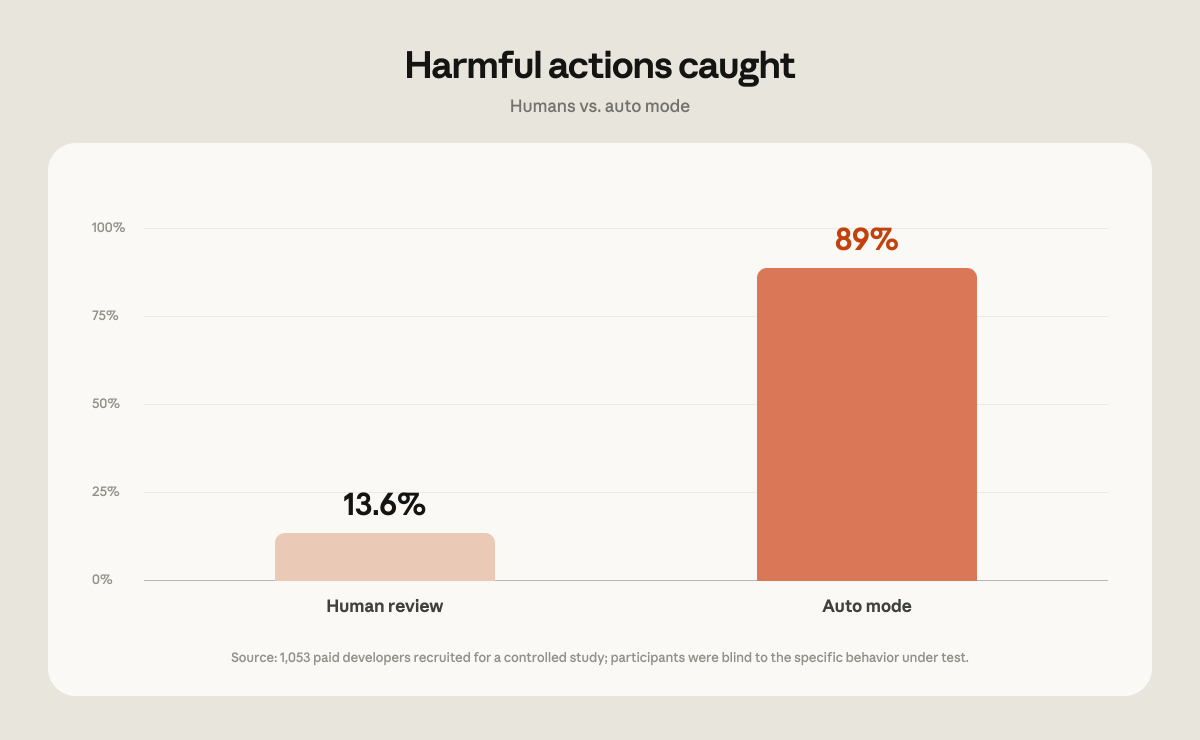
claude codecommands in succession - Using Auto Mode for extended periods
- Processing large codebases with many file operations
- Working during peak hours (US business hours)
What's Actually Being Limited?
While Anthropic doesn't publish exact rate limits for Claude Code, community analysis suggests three main constraints:
- Requests per minute/hour - Too many commands in quick succession
- Total tokens per session - Extended coding sessions with large context
- Concurrent operations - Multiple file edits or complex agentic workflows
The limits appear to be dynamic and may vary based on:
- Your subscription tier (Teams vs Pro vs Free)
- Current system load
- Specific model being used (Opus 4.6 vs Sonnet)
- Type of operations (file edits vs analysis vs generation)
Workarounds That Actually Work
1. Implement Strategic Pacing
Instead of rapid-fire commands, add intentional delays:
# Bad: Rapid sequence
claude code "fix bug in auth.js"
claude code "add tests for auth"
claude code "refactor user model"

# Good: Paced approach
claude code "fix bug in auth.js" && sleep 10
claude code "add tests for auth" && sleep 15
claude code "refactor user model"
2. Batch Related Operations
Combine related tasks into single, well-specified prompts:
# Instead of three separate commands:
claude code "Analyze the authentication flow in auth.js and identify three potential security issues. Then fix the most critical issue and write a test for the fix. Provide the complete updated auth.js and test file."
3. Use Local Analysis First
Offload simple analysis to local tools before involving Claude:
# Use grep/find before asking Claude to analyze
find . -name "*.js" -exec grep -l "password" {} \; | head -5
# Now you know which files to focus on
claude code "Review these 5 files for password handling issues: $(find . -name "*.js" -exec grep -l "password" {} \; | head -5 | tr '\n' ' ')"
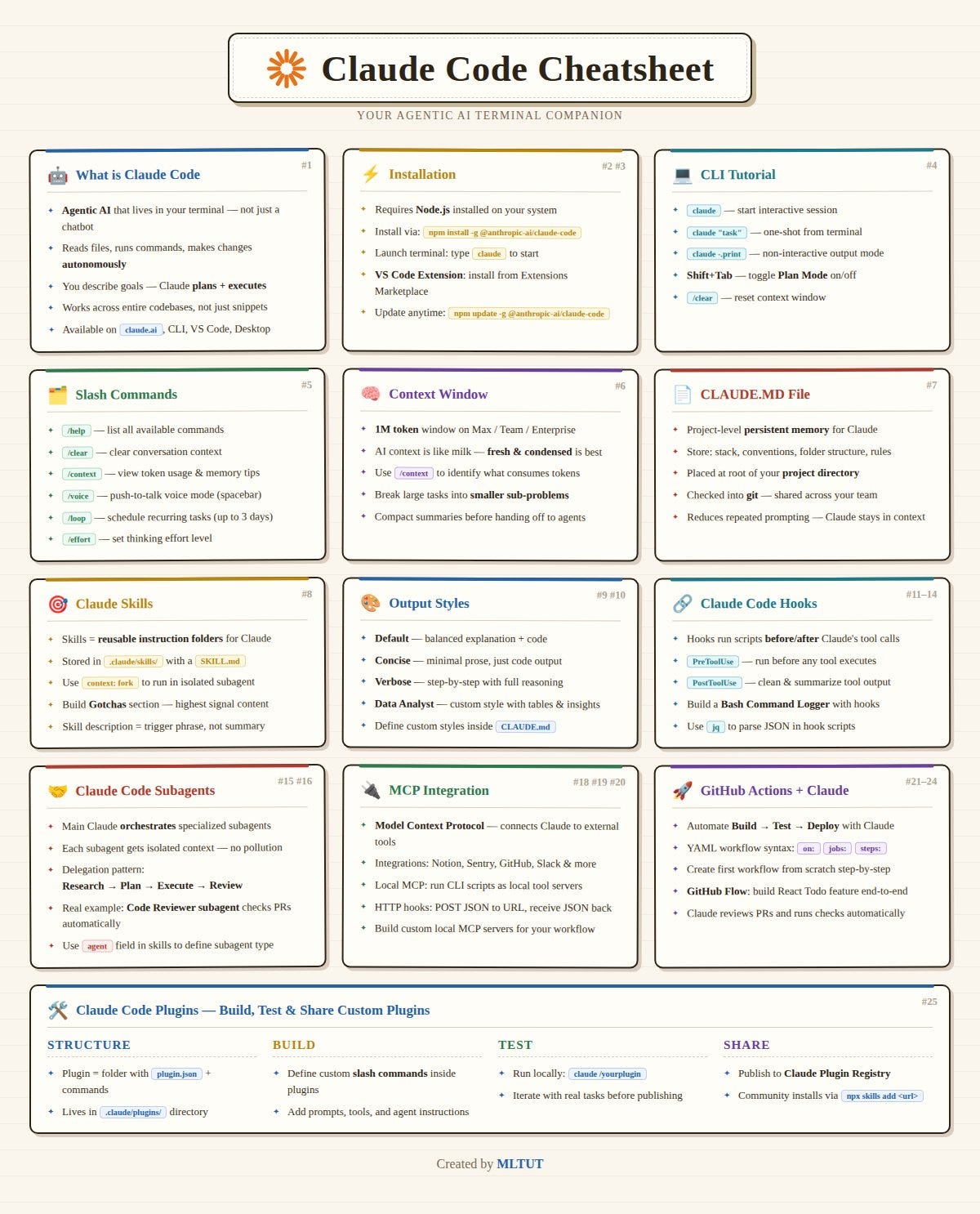
4. Leverage CLAUDE.md More Effectively
A well-structured CLAUDE.md reduces the need for repetitive context in each command:
## Project Context
- Tech stack: Node.js, Express, PostgreSQL
- Code style: Airbnb ESLint config
- Testing: Jest with supertest
- Current focus: Authentication security audit

## Current Task Batch
1. Review auth.js for password hashing implementation
2. Check session management in middleware/
3. Audit API rate limiting

## Constraints
- Don't modify database schema
- Maintain backward compatibility
- All changes must include tests
Then use shorter, focused commands:
claude code "Proceed with task 1 from CLAUDE.md"
# Wait 10 seconds
claude code "Proceed with task 2"
5. Monitor Your Usage Pattern
Keep a simple log of when you hit limits:
# Add to your .bashrc or .zshrc
claude_log() {
  echo "$(date): $1" >> ~/.claude_usage.log
  claude code "$1"
}
alias ccode="claude_log"
Review the log to identify patterns—you might discover you consistently hit limits after 15 commands in 5 minutes, for example.
When Limits Hit Anyway
If you do get rate-limited:
- Switch to offline work - Use the time to review Claude's changes, run tests, or plan next steps
- Use a different model temporarily - If available, switch to Sonnet for less critical tasks
- Break for 15-30 minutes - Limits often reset after a cooling-off period
- Check status.claude.com - Sometimes it's system-wide, not just you
The Bigger Picture
These limits reflect Claude Code's growing popularity and the computational cost of running Opus 4.6 at scale. As noted in our March 29 coverage, Anthropic has been actively promoting Claude Code features while managing infrastructure constraints. The company's projected revenue growth suggests they're investing in capacity, but for now, power users need to work smarter.
Remember: Claude Code is most effective as a strategic partner, not a continuous stream-of-consciousness coding machine. The limits force better workflow design—breaking work into discrete, well-defined tasks with clear completion criteria.
Pro Tip: The 80/20 Rule
Focus Claude Code on the 20% of tasks where it provides 80% of the value:
- Complex refactoring
- Test generation
- Debugging obscure errors
- Architecture decisions
- Code review
Use traditional tools for the rest: search, simple edits, file management. This approach keeps you productive while staying within limits.