What Changed — Anthropic Launches Its First Certification
Anthropic has launched its first-ever professional certification: the Claude Certified Architect — Foundations exam. Initially tested in a private beta, the exam is now publicly available. Furthermore, the company is offering the exam for free to the first 5,000 eligible professionals who join the newly launched Claude Partner Network. This marks a significant step in formalizing the skills and knowledge required to build effectively with Claude.
What It Means For Your Claude Code Workflow
While the certification is broad, covering architecture and strategy, its foundational layer is built on the core competencies for using Claude as a development tool. The exam's curriculum implicitly validates and standardizes the best practices that top developers have been discovering through trial and error with Claude Code. By understanding what Anthropic considers "certification-worthy," you can reverse-engineer the most effective patterns for your daily coding tasks.
This isn't just about passing a test; it's about accessing a curated set of principles that make your interactions with Claude Code more predictable, efficient, and powerful. The certification framework serves as an official guide to the mental models and prompting strategies that yield the best results.
How To Apply The Principles Now
You don't need to take the exam to benefit from its insights. The core of effective Claude usage, especially for coding, revolves around structured reasoning, clear constraints, and iterative refinement—principles that are certainly central to the certification.
Adopt an Architectural Mindset in Your Prompts: When you ask Claude Code to build a feature, frame it as a system design problem. Instead of
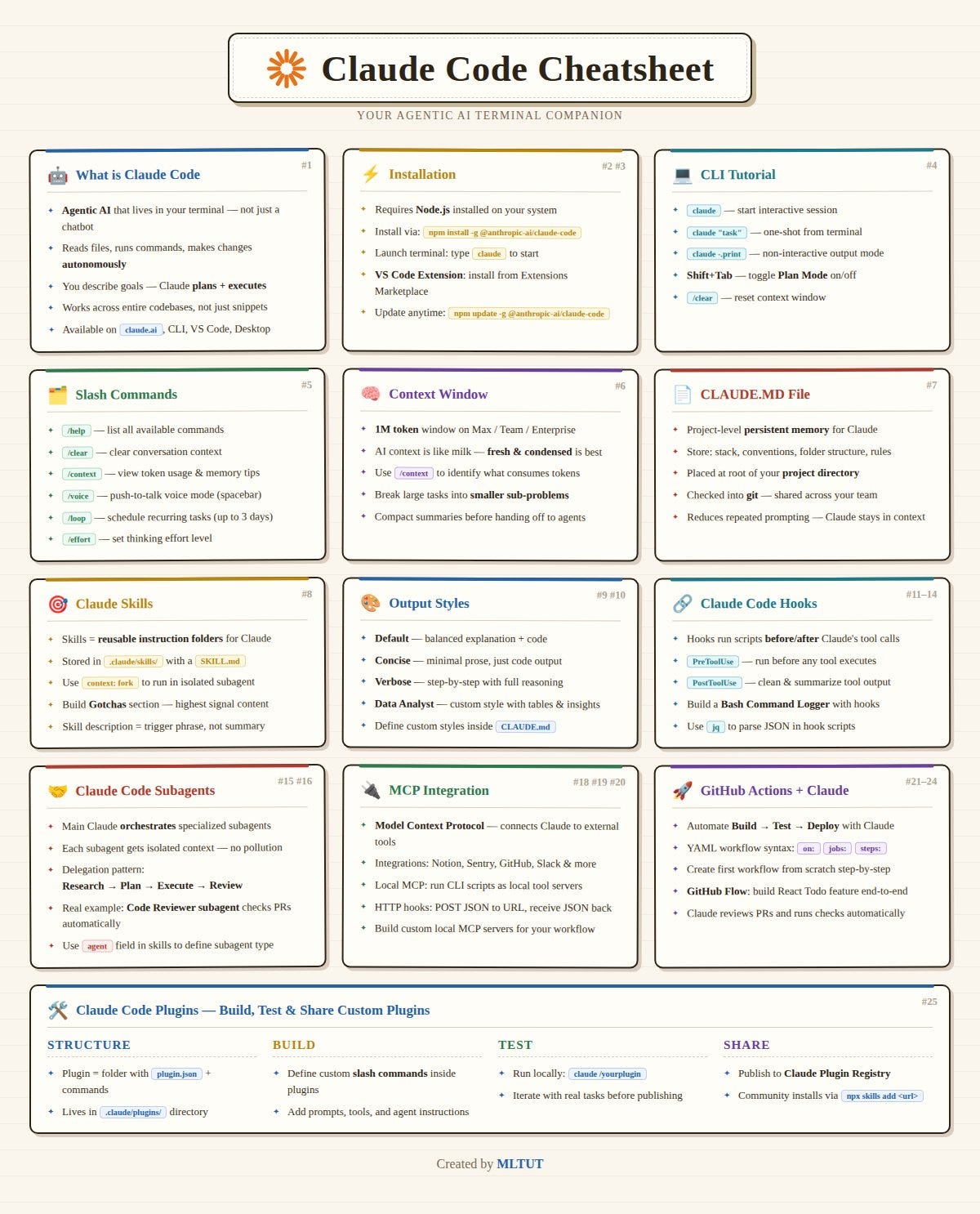
"Write a login function,"prompt with context and constraints:I need a secure login module for a Next.js 15 app using App Router. Please design the component structure, outline the API route handlers for credential validation, and specify the environment variables needed. Prioritize protection against common vulnerabilities like SQL injection and XSS.This mirrors the architectural thinking the certification promotes.
Formalize Your
CLAUDE.md: Treat your project'sCLAUDE.mdfile as a living architectural document. The certification emphasizes understanding context and constraints. YourCLAUDE.mdshould explicitly define:- Project Architecture: (e.g.,
This is a monorepo using Turborepo. Apps are in/apps, shared packages in/packages`.) - Development Rules: (e.g.,
Always use TypeScript. Useaxiosfor HTTP calls. Write unit tests with Vitest.) - Output Formatting: (e.g.,
When suggesting changes, provide a unified diff.)
This creates a shared, certified-quality context for every interaction.
- Project Architecture: (e.g.,
Practice Iterative Scenario Planning: A key skill for the certification is breaking down complex problems. Use Claude Code's chat interface not just for writing code, but for planning it. Start a session with:
Let's plan the implementation of a real-time notification system. First, identify the core components we'll need (e.g., WebSocket server, event emitter, client-side hook). Then, for each component, outline the key functions and potential pitfalls.Guide Claude through the reasoning process you'd use in an exam scenario before writing a single line of code.