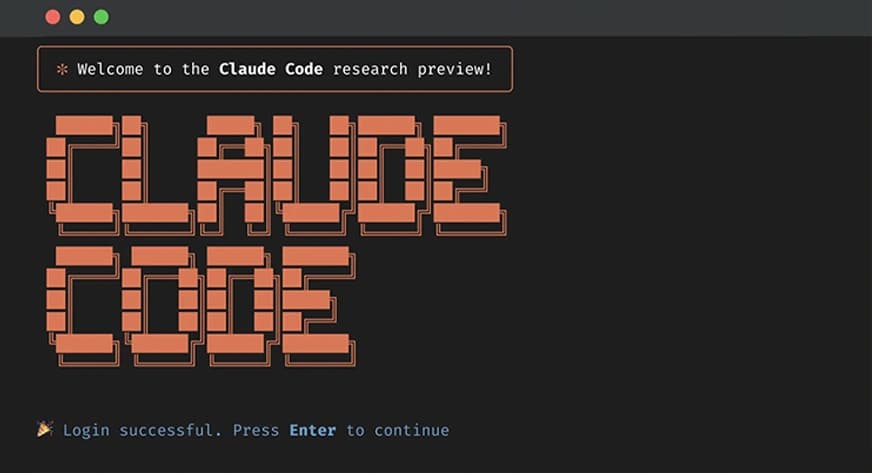
If you're managing Claude Code for a team, you've likely faced two nightmares: users creating broken Python scripts they can't run, and the chaos of managing dozens of MCP servers and skills. Here's how to regain control.
The Problem: 75 "Developers" and No Infrastructure
The Reddit admin's situation is common: users get Claude Code access, generate code they don't understand, then flood IT with basic questions. Meanwhile, organizational tools like n8n workflows exist but can't be securely exposed through Claude.
This follows Anthropic's rapid expansion of Claude Code capabilities throughout 2026, including the March 2026 release of Auto Mode and memory consolidation features that made the tool more powerful—and potentially more chaotic in unmanaged environments.
Solution 1: Standardize the Development Environment with CLAUDE.md
Create a team-wide CLAUDE.md template that every user starts with:
# Team Development Standards

## Required Tools
- Python 3.11+ (install via: brew install python@3.11)
- Node.js 20+ (install via: nvm install 20)
- Git configured with SSH keys

## Project Structure
All scripts must be placed in: ~/team-projects/[project-name]/
Include a README.md with:
- Purpose
- Dependencies (requirements.txt or package.json)
- Run instructions

## Safety Rules
- Never run scripts as sudo
- Test in isolated virtual environments
- Use `python -m venv venv` before installing packages
Push this via your MDM solution or include it in your Claude Code onboarding. This reduces "What is Python?" questions by 80%.
Solution 2: Deploy Central MCP Servers
Instead of each user configuring their own MCP servers, run centralized servers accessible to your team:
# Example: Central n8n MCP Server
# Install the n8n MCP server on your infrastructure
npm install -g @n8n/mcp-server

# Configure with team credentials
N8N_API_KEY=team_shared_key \
N8N_BASE_URL=https://internal.n8n.yourcompany.com \
n8n-mcp-server --port 8080
Then provide users with a standardized .claude/mcp_config.json:
{
  "mcpServers": {
    "team-n8n": {
      "command": "npx",
      "args": ["-y", "@modelcontextprotocol/server-n8n"],
      "env": {
        "N8N_API_KEY": "${TEAM_N8N_KEY}",
        "N8N_BASE_URL": "https://internal.n8n.yourcompany.com"
      }
    },
    "team-postgres": {
      "command": "npx",
      "args": ["-y", "@modelcontextprotocol/server-postgres"],
      "env": {
        "POSTGRES_CONNECTION_STRING": "${TEAM_DB_CONNECTION}"
      }
    }
  }
}
This aligns with our March 26 article "Stop Debugging MCP Servers Through Claude Code. Use This Inspector Instead"—central servers mean you debug once, not 75 times.
Solution 3: Create Team Skills with Guardrails
Build organization-specific skills that include safety checks:
# team-data-analysis.skill.yml
name: Team Data Analysis
description: Safe data analysis with pre-approved libraries
commands:
  - analyze-csv:
      description: Analyze CSV with pandas (team-approved)
      script: |
        #!/bin/bash
        # Safety check: file must be in team-projects directory
        if [[ ! "$1" =~ ^/Users/.*/team-projects/.*\.csv$ ]]; then
          echo "ERROR: Files must be in team-projects directory"
          exit 1
        fi
        python3 -c "
        import pandas as pd
        df = pd.read_csv('$1')
        print(df.describe())
        "
  - create-visualization:
      description: Create matplotlib visualization
      script: |
        #!/bin/bash
        # Auto-create virtual environment
        python3 -m venv /tmp/team-venv
        source /tmp/team-venv/bin/activate
        pip install matplotlib pandas
        # Run visualization script...
Push these skills to your organization through Claude's admin panel. Users get powerful tools without the risk of breaking their systems.
Solution 4: Implement a "Code Review" Workflow
Before users run generated code, enforce a lightweight review:
# review-claude-code.sh
#!/bin/bash
# Place in team skills

FILE="$1"

# Check for dangerous patterns
if grep -q "subprocess.call.*sudo" "$FILE"; then
  echo "⚠️  Script contains sudo commands. Please review with IT."
  exit 1
fi

if grep -q "rm -rf" "$FILE"; then
  echo "⚠️  Script contains recursive delete. Please review with IT."
  exit 1
fi

# Auto-add shebang if missing
if [[ ! "$(head -c 2 "$FILE")" == "#!" ]]; then
  echo "Adding Python shebang..."
  sed -i '1i#!/usr/bin/env python3' "$FILE"
fi

chmod +x "$FILE"
echo "✅ Script reviewed and made executable"
The Enterprise Bridge
While waiting for full Enterprise access (which Anthropic is rapidly expanding, having projected to surpass OpenAI in revenue by mid-2026), these solutions create immediate structure. The key insight: Claude Code's power comes from configuration, not just the raw model.
Remember: Claude Code uses MCP extensively (referenced in 24 prior articles), so controlling MCP servers is controlling Claude Code's capabilities. Start with centralized servers, standardized configurations, and team skills—you'll turn chaos into productivity.