The Technique — Agentic Reasoning Across Domains
A developer on Reddit didn't use a medical AI. They used Claude's general reasoning to solve a complex, multi-system medical case that stumped specialists for 25 years. The patient had kidney failure, diabetes, hypertension, a prior stroke, and severe positional headaches. The key was Claude's ability to connect disparate clues: positional headaches + dialysis + loud snoring + afternoon fatigue. It synthesized data from nephrology, neurology, and pulmonology, calculated a clinical risk score (STOP-BANG), and generated a structured diagnostic roadmap. The result? A correct diagnosis of severe sleep apnea and a resolved condition.
For developers, this is a masterclass in using Claude not as a simple code generator, but as a diagnostic agent for your own complex systems.
Why It Works — Claude's Cross-Domain Synthesis
Claude Opus 4.6, the model powering Claude Code, excels at complex reasoning and connecting dots across different knowledge domains. In the medical case, no single specialist had the full context. Similarly, in software, a bug might manifest in the UI, but its root cause could be in the API, database, or a third-party service. Claude can hold the entire context—logs, code, documentation, system architecture—and find patterns a human focused on one layer might miss.
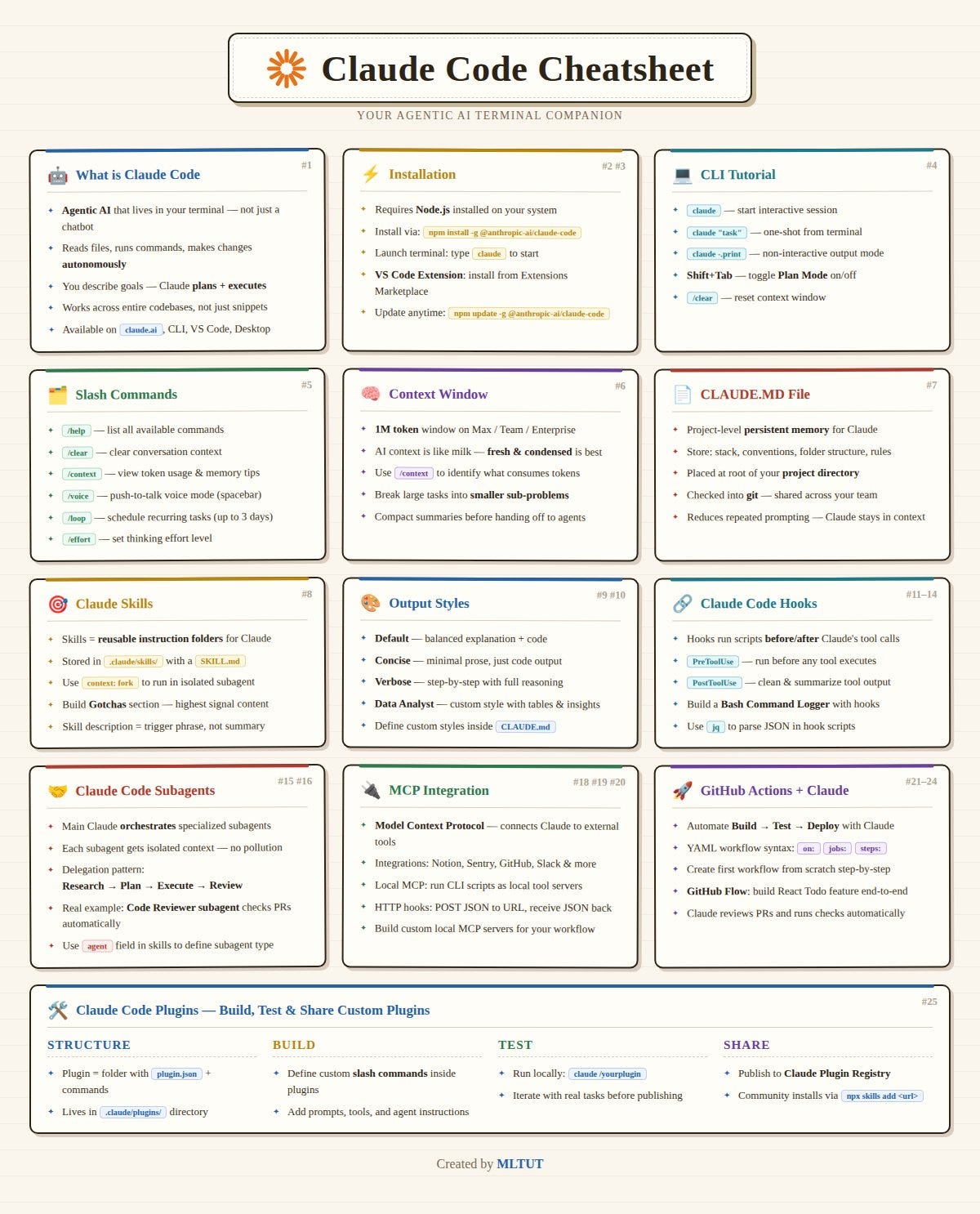
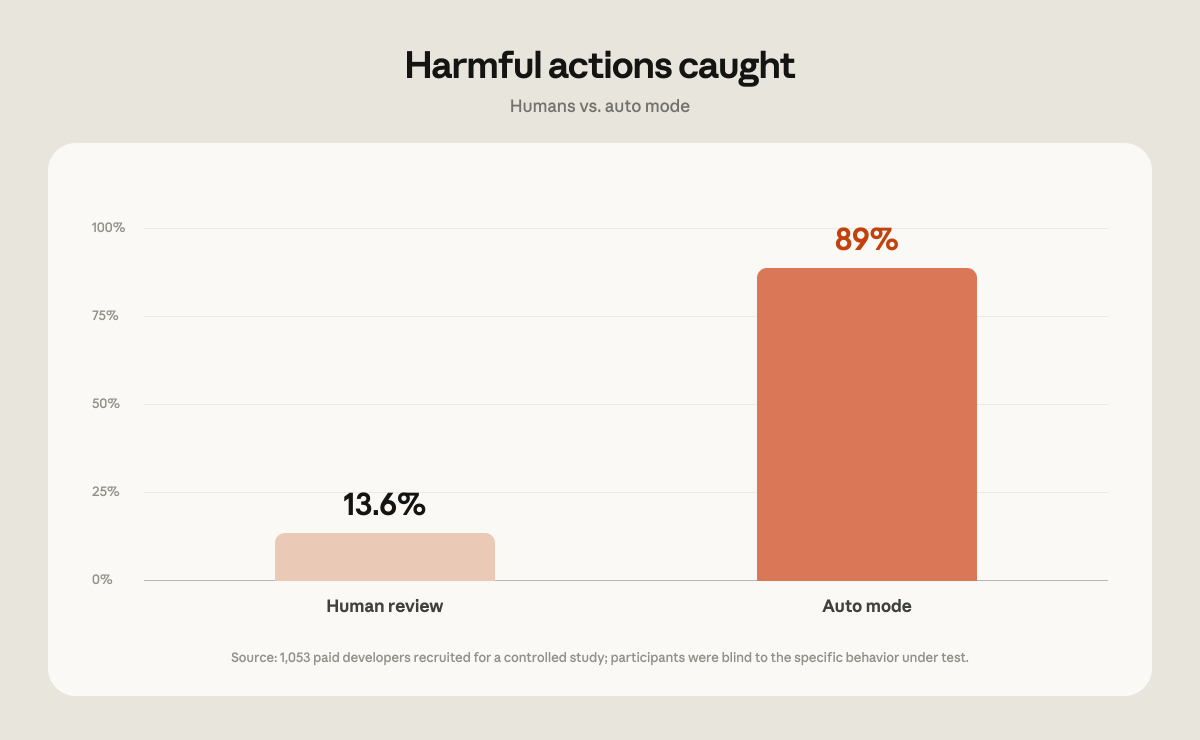
This follows Claude Code's recent trend toward more autonomous, agentic capabilities, like the Auto Mode preview released on March 26th, which enables safety-classified autonomous task execution. The underlying principle is the same: delegate complex, multi-step investigative work.
How To Apply It — Turn Claude Code Into Your System Detective
Stop asking Claude Code only for line-by-line fixes. Use it to diagnose systemic issues. Here’s your new workflow:
Create a Consolidated Brief (
CLAUDE.md): Don't just paste an error log. Structure your problem like a case study.## System Issue: Intermittent 500 Errors in Payment Service **Symptoms:** - Errors spike during daily cron job at 2 AM UTC. - Logs show DB connection timeouts (layer: database). - Related: Recent migration to new Redis cluster (layer: cache). - CPU on API pods remains normal (layer: infrastructure). **Already Tried:** - Increased DB connection pool size – no effect. - Checked cron job logic – seems correct.This gives Claude the multi-domain context needed to hypothesize.
Command the Investigation: Use Claude Code's ability to read files and run commands to gather evidence.
claude code --task "Analyze the consolidated brief in CLAUDE.md. I need a root cause hypothesis. To investigate, you may:
1. Read the cron job script at `scripts/nightly-sync.js`.
2. Examine the new Redis client configuration in `lib/cache.js`.
3. Check for recent changes in the deployment configs for the 2 AM timeframe."
Request a Diagnostic Roadmap: Ask for the equivalent of a "consultation brief for the pulmonologist."
"Based on your analysis, create a structured action plan. List the most likely root cause hypothesis, the next 3 diagnostic steps (e.g., run this specific query, enable this debug flag), and which team (DB, DevOps, Backend) should be engaged for each."
Translate the Fix: Just as Claude translated care plans into Gujarati, it can translate solutions into different contexts.
"Now, take the final solution and:
- Generate the required configuration change.
- Write a PR description for the team.
- Create a one-line rollback command."
This method transforms Claude Code from a code assistant into a system analysis co-pilot, connecting dots across your application's internal "specialties."