What Changed — The Hybrid Model Setup
Developers on Reddit are experimenting with a hybrid approach in Claude Code: using Claude Opus 4.6 (or 4.8) as the main orchestrator and Opus 5 as a subagent for specific tasks. This setup aims to capture Opus 5's 'greater intelligence' while retaining the stable, predictable behavior of Opus 4.x models. One user described it as 'keeping previous opus models way of speaking and iq' while leveraging Opus 5's raw power where it counts.
This isn't just a theoretical tweak—it's a practical response to real-world feedback. Several developers report that Opus 5, especially on 'Max' or 'extra high' settings, can be inconsistent for everyday coding. One Reddit user, Borat_2020, shared a screenshot of their 'last shot' at Opus 5 before reverting to 4.8, citing 'really bad experiences' with Opus 5 in real-life coding. The hybrid approach lets you keep a reliable primary model while delegating complex, isolated tasks to Opus 5.
What It Means For You — Concrete Impact on Daily Claude Code Usage
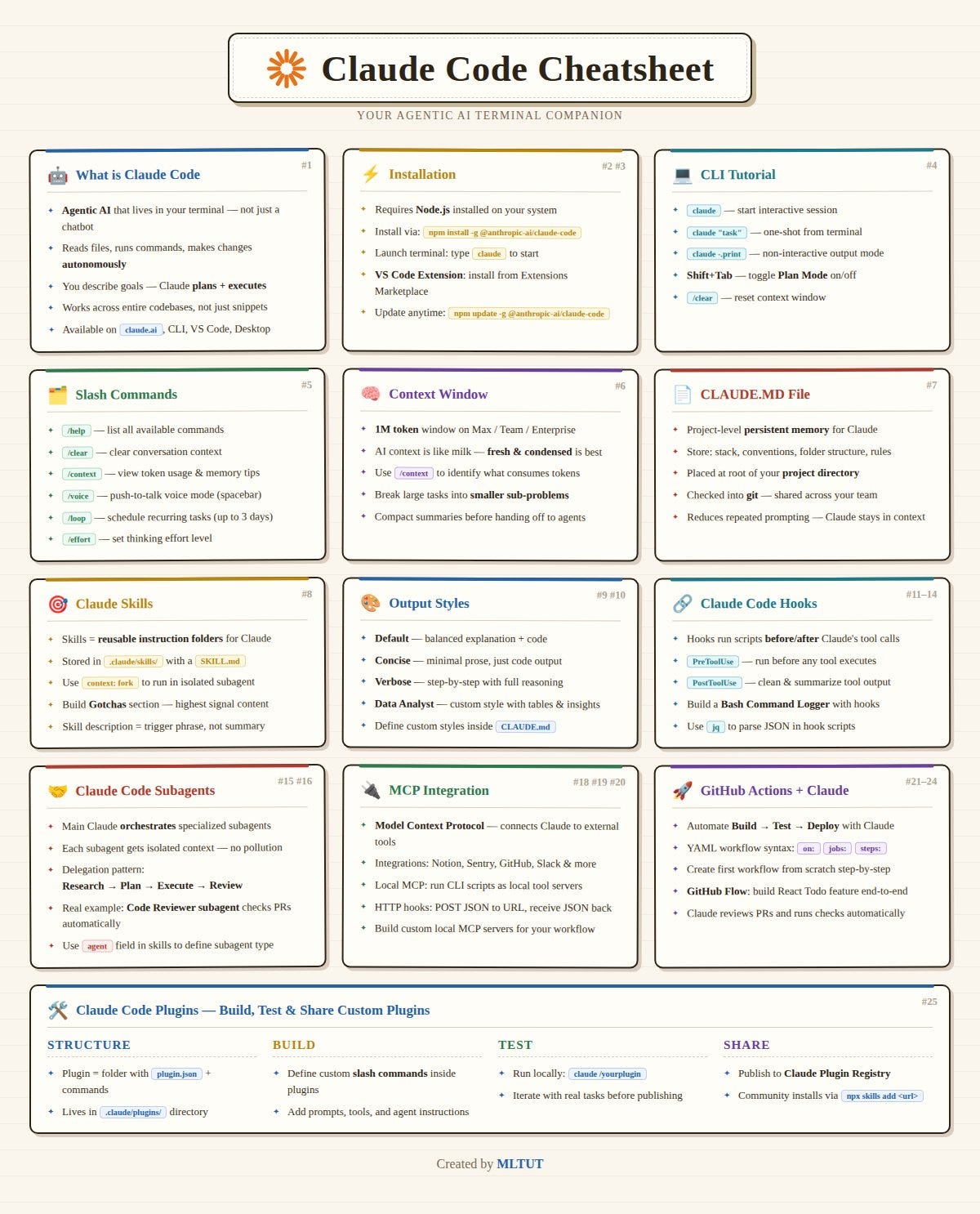
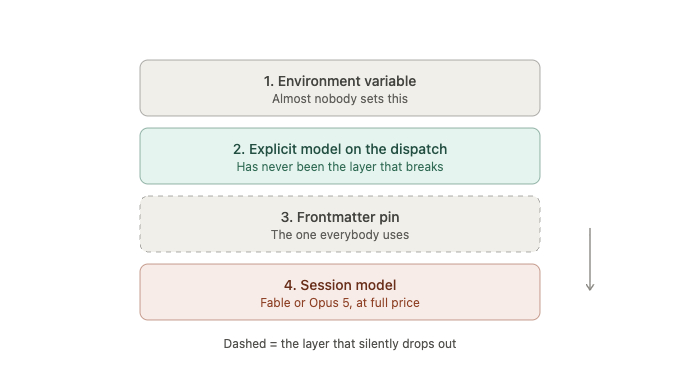
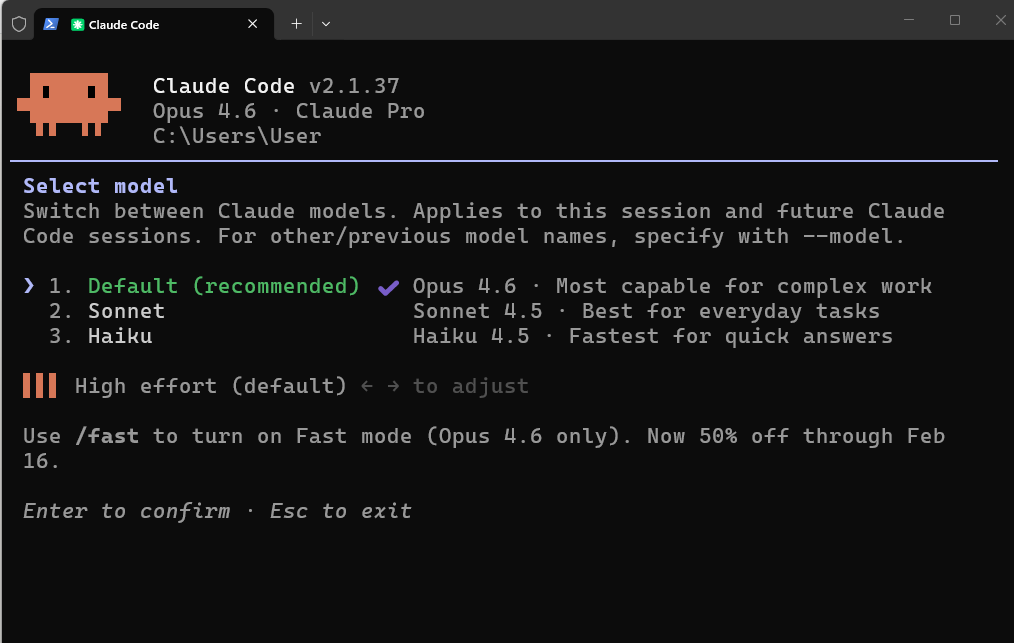
In Claude Code, you control the main model with /model or the ANTHROPIC_MODEL environment variable. Subagents, however, can be assigned their own models via the model field in their configuration. This means you can:
- Keep Opus 4.6 or 4.8 as your default for interactive sessions, ensuring fast, consistent responses.
- Route heavy tasks—like deep code review, complex refactoring, or multi-file analysis—to Opus 5 subagents for higher intelligence.
- Reduce token waste by not using Opus 5 for trivial queries, since Opus 4.x is more efficient for routine work.
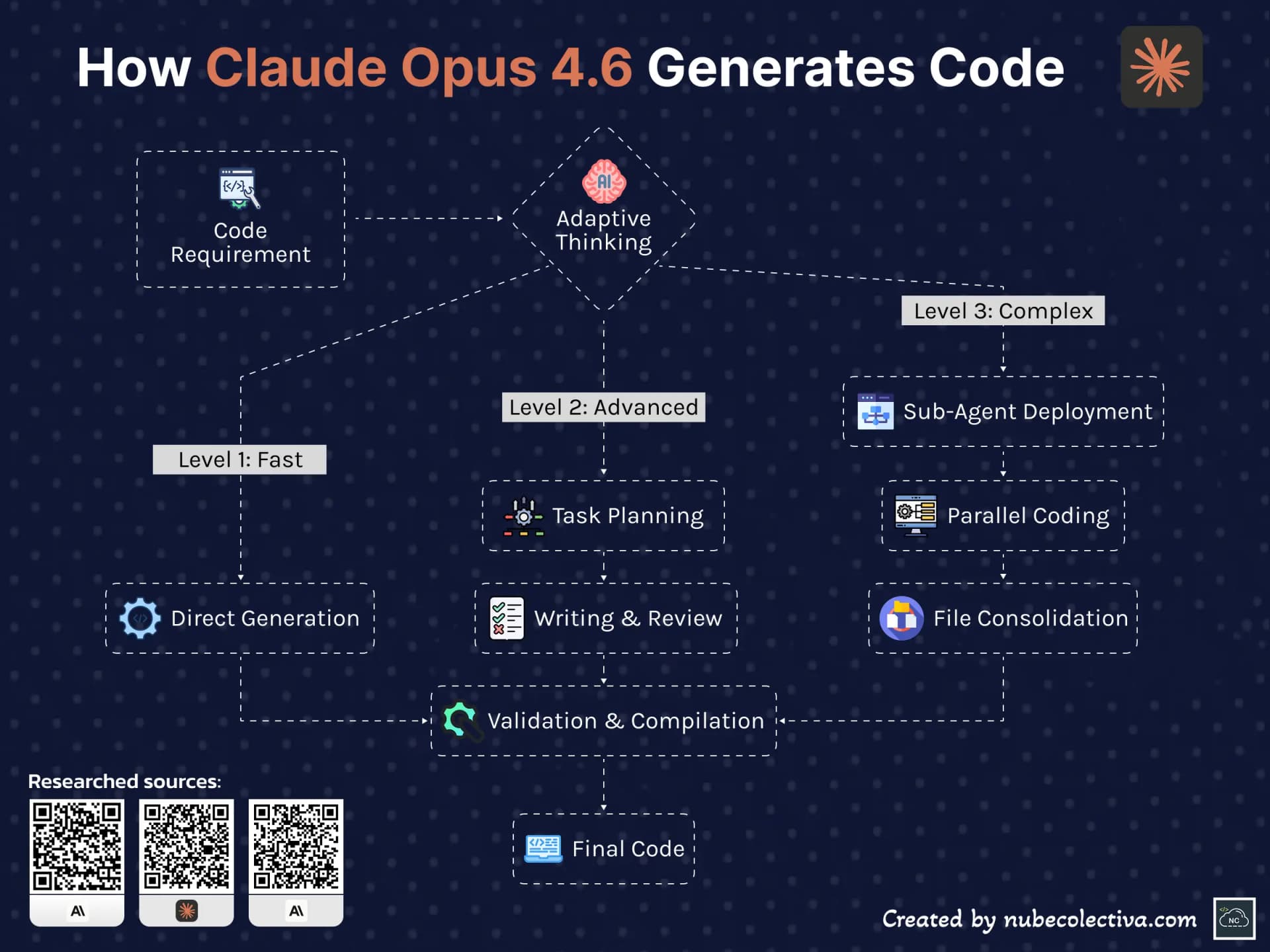
This mirrors the broader trend in agentic coding: using specialized models for specialized roles. Anthropic's Claude Agent framework already supports multi-agent collaboration, and this hybrid setup is a natural extension.
Try It Now — Commands and Configs to Set This Up
Here's how to implement this in your Claude Code workflow:
Set your main model to Opus 4.6 or 4.8:
claude --model claude-opus-4-6
# or
claude --model claude-opus-4-8
You can also use
/modelinside a session.Create a subagent with Opus 5: In your project's
.claude/agents/directory, create a file likereviewer.md:--- name: reviewer description: Performs deep code review and suggests improvements. model: claude-opus-5 --- You are a senior code reviewer. Analyze the code for bugs, performance issues, and best practices.Then invoke it with
@reviewerin your prompt.Or configure in CLAUDE.md: Add a section to define subagents globally:
## Agents
- `@reviewer`: Uses Opus 5 for thorough code review. Invoke with `@reviewer`.
Refer to Claude Code's documentation for exact syntax.
This setup is especially useful for large refactors where you need deep analysis but want to avoid Opus 5's unpredictability in interactive loops.
Why This Matters Now
Anthropic's Q2 revenue overtook OpenAI for the first time, and Claude Code is central to that growth. As models evolve, developers are finding that no single model is perfect for every task. The hybrid approach is a pragmatic workaround, and it's gaining traction in the community. Whether you're a solo dev or on a team, trying this setup could save you from the frustration of Opus 5's quirks while still leveraging its capabilities.
Related Reading
- 6 CLAUDE.md Patterns That Keep Shared Context From Breaking — Learn how to structure your configs.
- 3 AI Coding Workflows That Actually Ship — See other practical workflows.
Source: news.google.com
[Updated 22 Aug via gn_claude_code]
A separate developer report highlights a hidden token drain in Claude Code: unused MCP plugins inflate the deferred-tools list in every session's system-reminder, costing roughly 4,000 tokens of fixed overhead per session. The author, who scaled to ¥1.2M/month, built a weekly script that auto-disables plugins with zero MCP or Skill calls for 30 days, cutting waste without losing functionality. [per dev.to]