Key Takeaways
- Kimi K3 runs in Claude Code via OpenRouter with a slow first impression but becomes usable.
- Its Code Arena #1 frontend ranking makes it a solid choice for UI tasks, but Claude Opus 4.8 remains better for latency-sensitive work.
What Changed — Kimi K3 Hits Claude Code
Moonshot AI's Kimi K3 — a 2.8-trillion-parameter mixture-of-experts model — is now accessible inside Claude Code through OpenRouter. The model accepts images, handles up to 1 million tokens of context, and Moonshot promised open-weight release by July 27, 2026 (though not yet available as of July 19). This is notable because K3 is the first model at this scale announced for open-weight release, but it's no longer alone: Alibaba announced Qwen 3.8, and Thinking Machines Lab released Inkling (975B total, 41B active per token).
What It Means For You
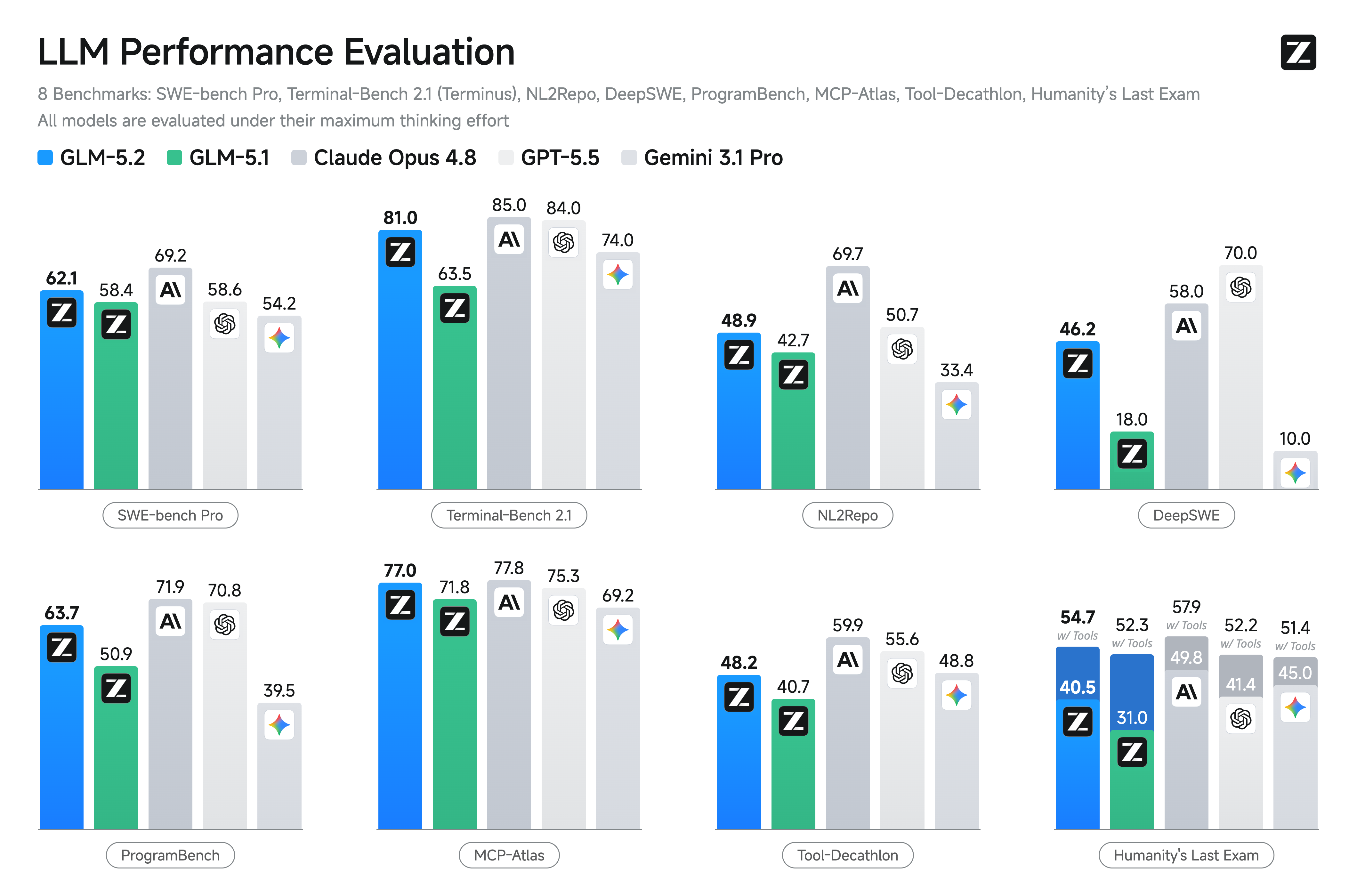
You can swap Claude Code's default model for K3 without changing your harness. The author did exactly that — kept Claude Code, changed only the model via OpenRouter. The result? A first impression of "slow" that faded within an hour. Third-party benchmarks (Artificial Analysis) showed K3 at ~62 output tokens/second vs. Claude Opus 4.8's 57, and K3 even started responses sooner. So why did it feel slow? Possibly reasoning time before useful text, stream cadence, or OpenRouter routing overhead. The key takeaway: perceived speed isn't the same as token throughput.
Try It Now
- Switch to K3 via OpenRouter: Add a custom model in Claude Code with
claude --model openrouter/moonshotai/kimi-k3(or configure via settings). Test on a non-critical task first. - Give it an hour: Don't judge after 5 minutes. The author stopped noticing the difference after ~60 minutes of file edits and tool calls.
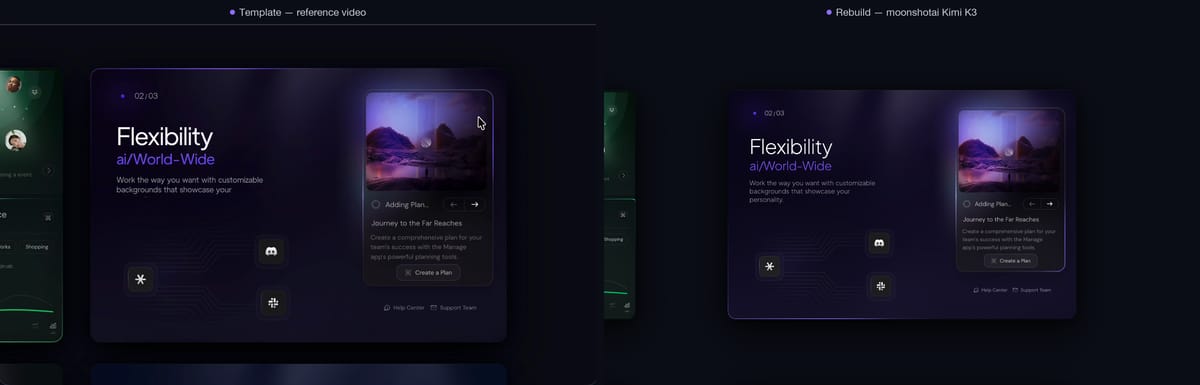
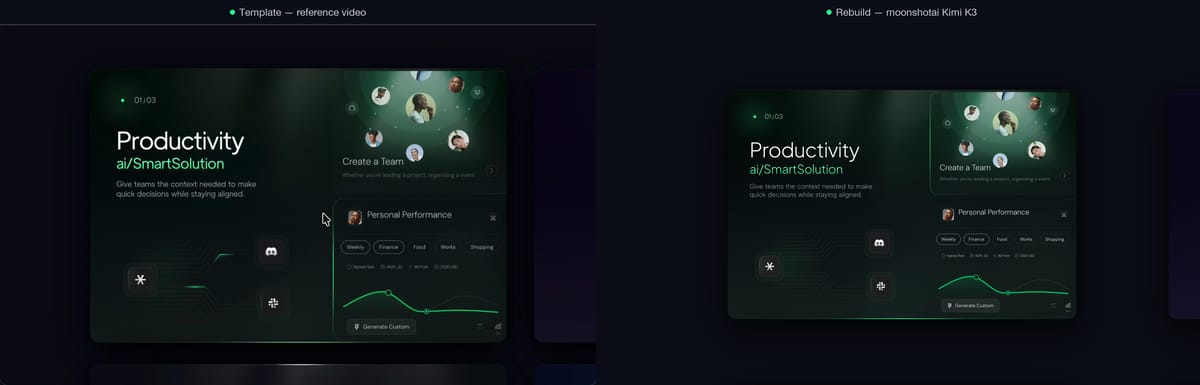
- Use it for frontend: K3 ranked #1 on Code Arena (generated web interfaces) around July 19. Try it on UI generation tasks where visual quality matters more than raw speed.
- Keep Opus 4.8 for interactive work: If you're doing real-time pair programming, stick with Claude Opus 4.8 — the familiar rhythm matters. Use K3 for batch jobs or frontend sprints.
Why This Matters
The open-weight queue is real: K3, Qwen 3.8, and Inkling are all vying for your harness. Claude Code is model-agnostic enough to test them all, but the HN community rightly notes that Claude Code is optimized for Anthropic models. A fairer test would use a model-agnostic harness like OpenCode. Still, for Claude Code users, this means you can experiment with frontier models without abandoning your tools.
The Bottom Line
Kimi K3 works in Claude Code, but "works" doesn't mean "better." It's a viable option for frontend tasks and when you want to avoid vendor lock-in. But if your workflow depends on snappy responses, Claude Opus 4.8 remains the safer bet. The real lesson: don't chase parameter counts — test in your own harness, and give any model an hour before judging.

Source: philippdubach.com