Key Takeaways
- Route Claude Code to open-weight models like Kimi K3 and DeepSeek V4 Flash via ANTHROPIC_BASE_URL or LiteLLM.
- Test cheap models before spending Opus 4.6 credits.
- The open-weight revolution is now a Claude Code workflow decision.
The Open-Weight Tipping Point Has Arrived
Simon Willison joined Oxide and Friends to discuss a week that flipped the AI landscape: Kimi K3 proved open-weight models can match proprietary frontier ones, and Microsoft got nearly every AI leader to sign a letter on open weights — except Anthropic.
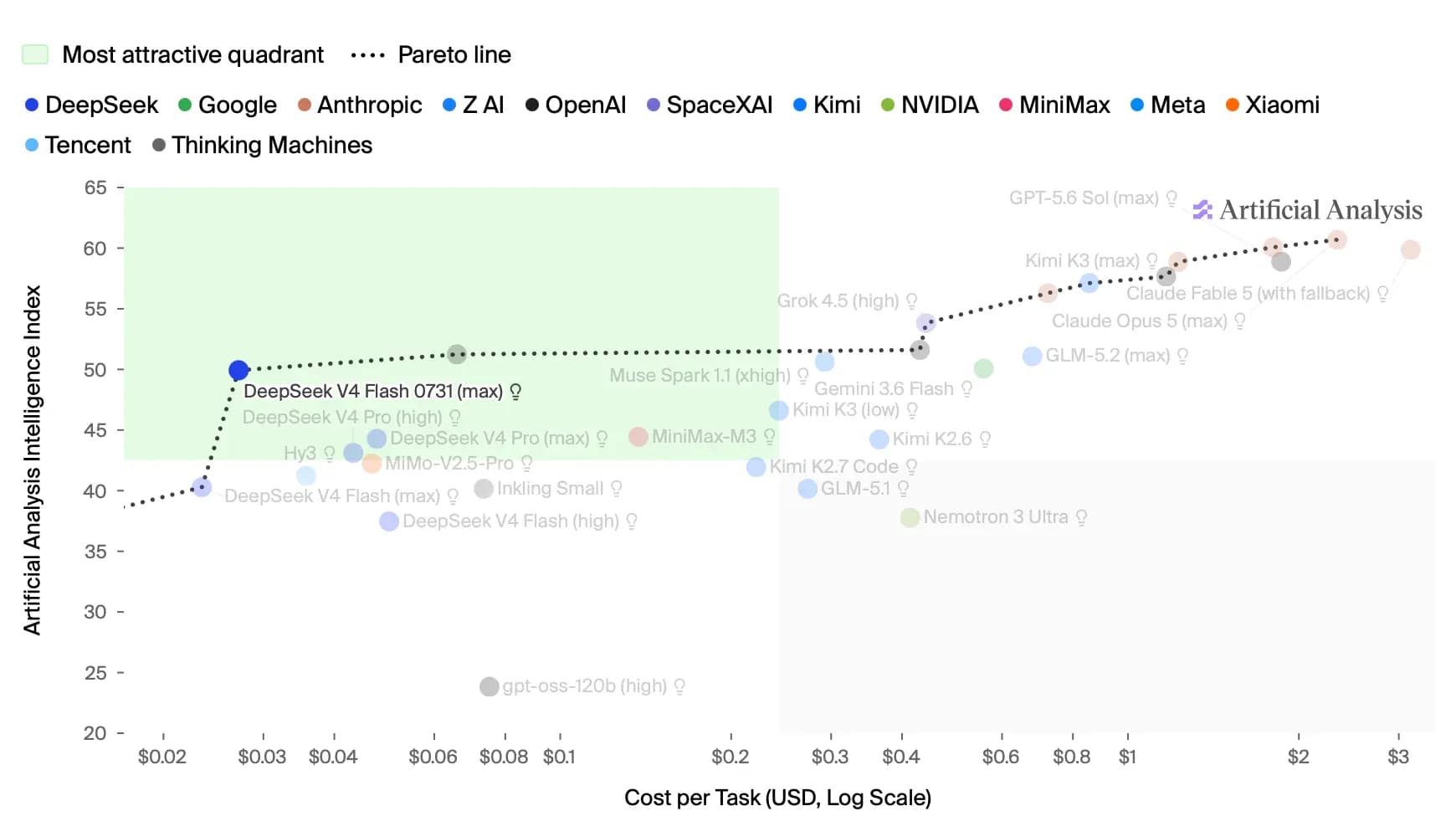
Days later, DeepSeek V4 Flash 0731 dropped, open-sourcing a 304B model that beats V4-Pro at just $0.14. For Claude Code users, this isn't abstract news. It's a workflow decision.
What Changed
Three things happened in one week:
- Kimi K3 matched proprietary frontier models on benchmarks — the first open-weight model to do so convincingly.
- DeepSeek V4 Flash 0731 was open-sourced, beating its predecessor at a fraction of the cost.
- Microsoft's open-weight letter got signed by nearly every major AI player — except Anthropic, which published its own position.
Anthropic's stance matters for you: Claude Code is tied to Claude models. But nothing stops you from pointing Claude Code at open weights.
What It Means For You
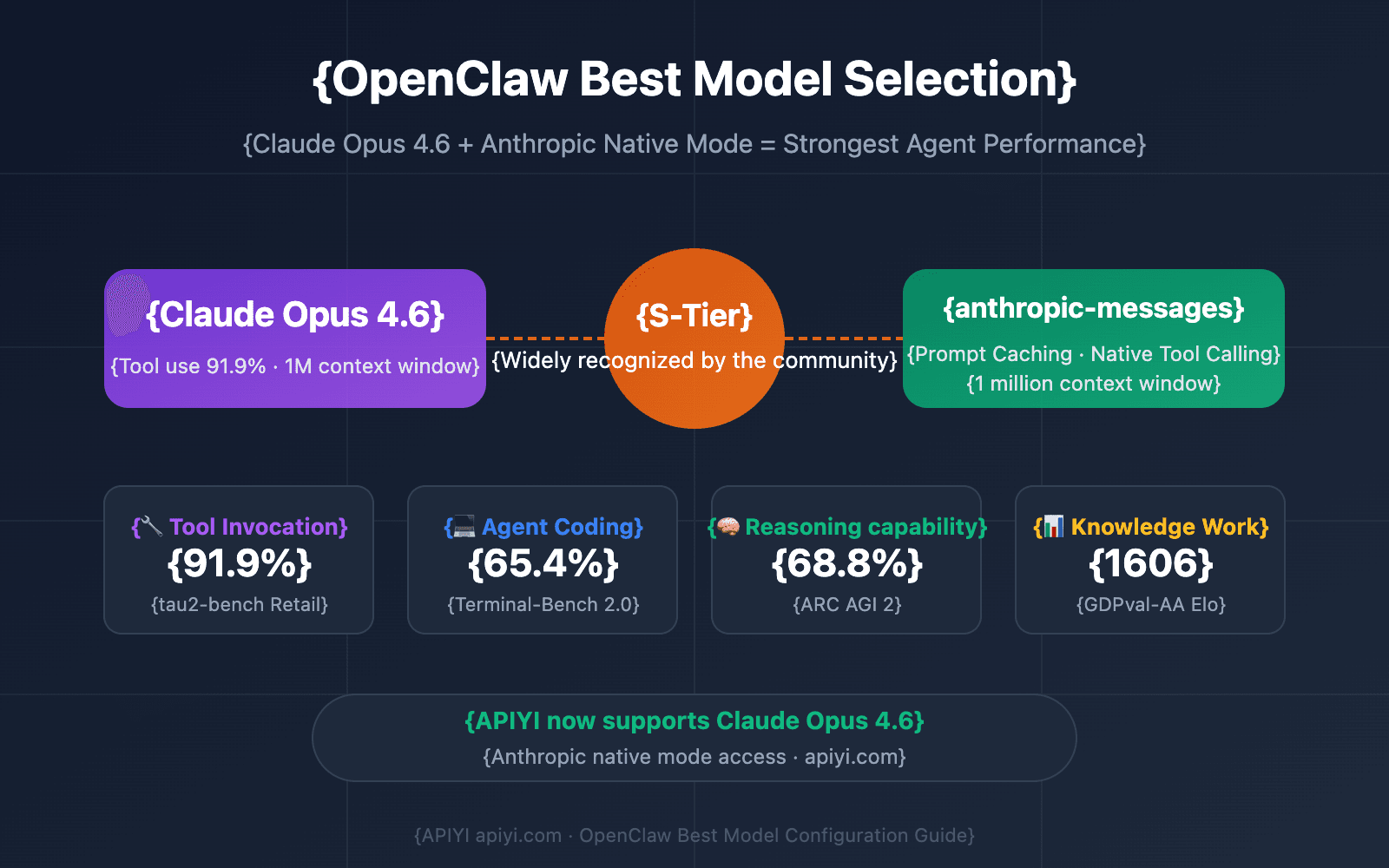
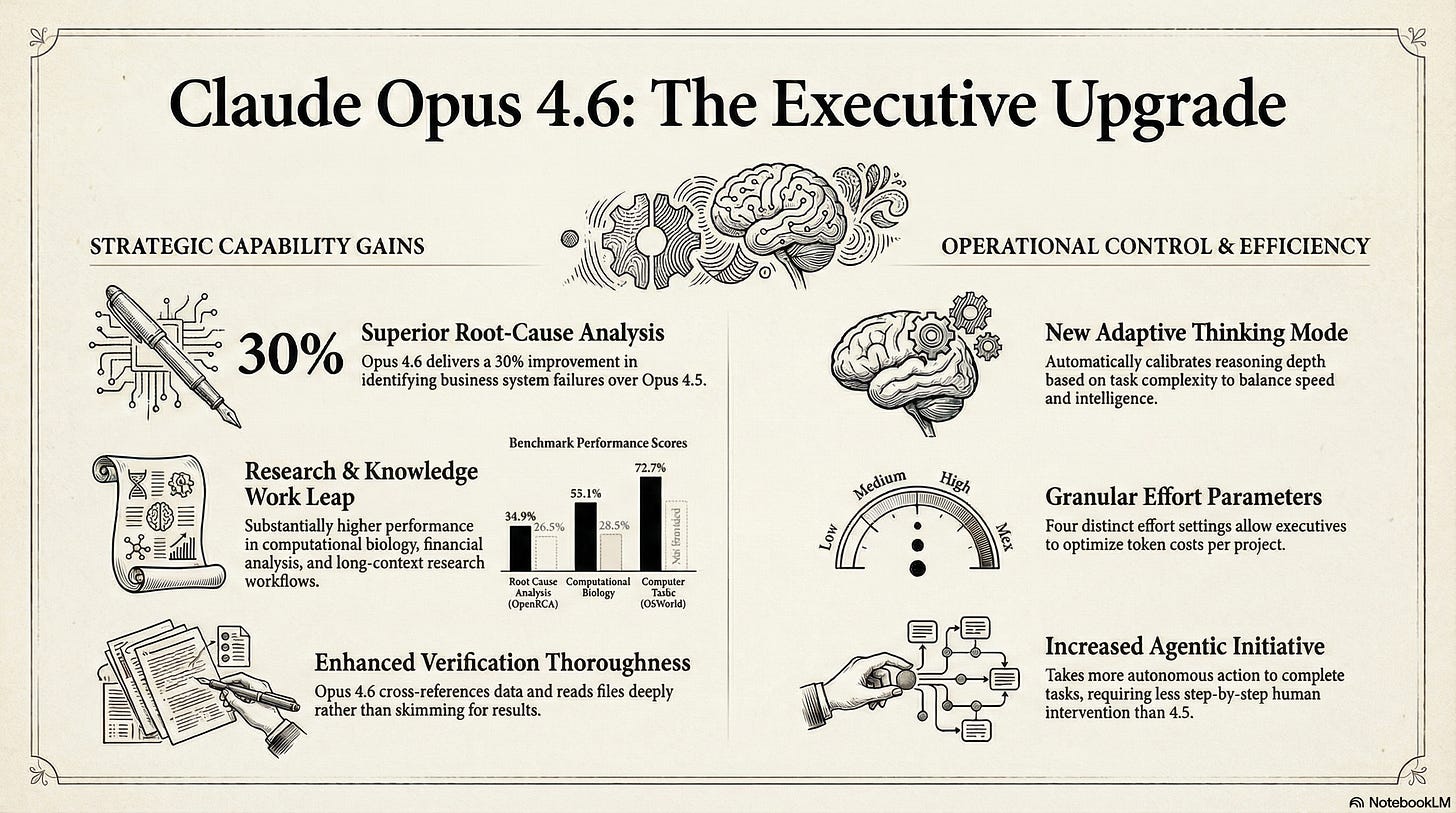
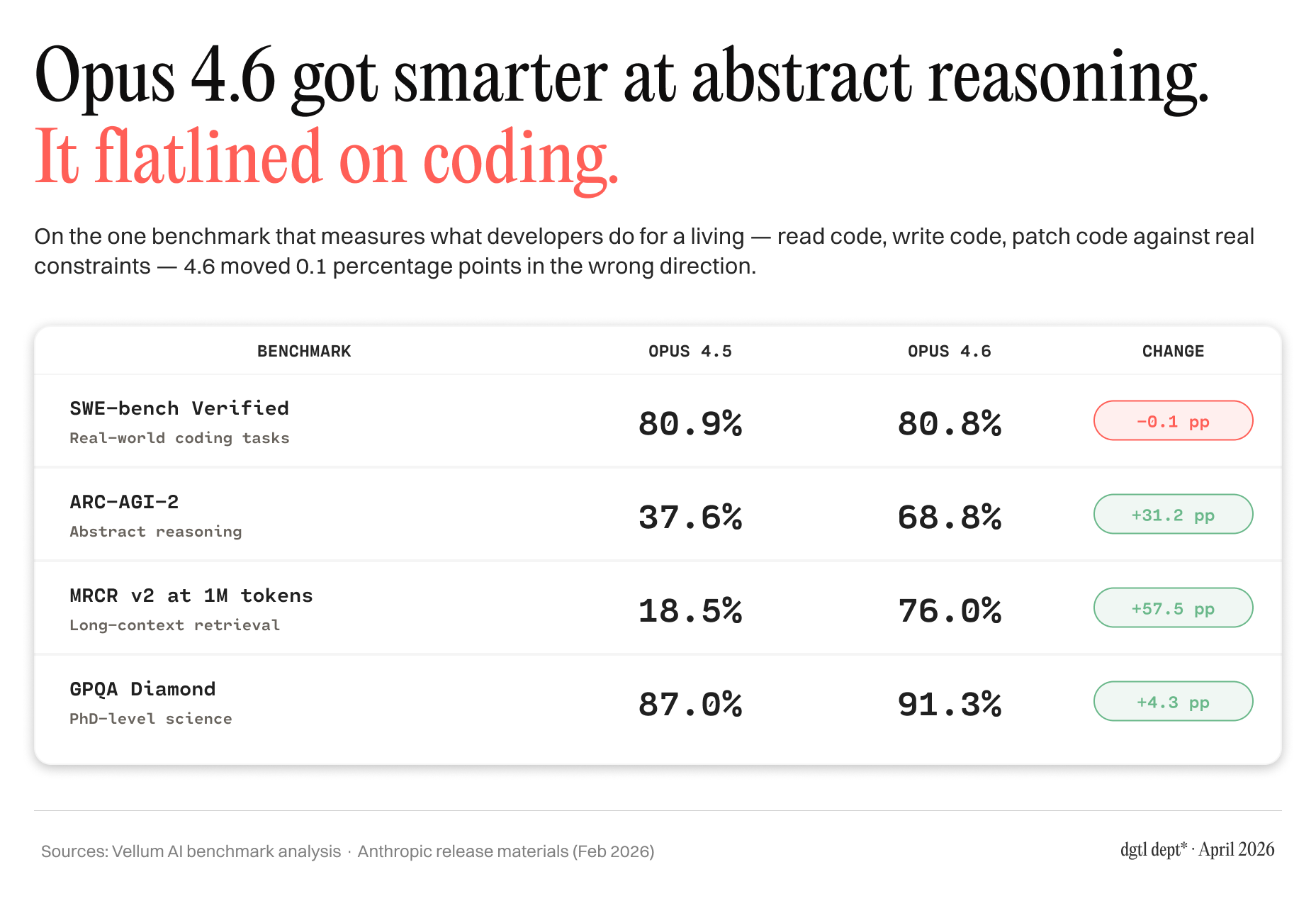
Claude Code with Claude Opus 4.6 scores 78.9% on Terminal-Bench 2.1 — that's the gold standard. But for routine tasks, you may be overpaying.
Open-weight models like DeepSeek V4 Flash cost pennies. If you can route your simple refactors, doc generation, or test writing to a cheap open model, you save Opus credits for the hard problems.
Try It Now
Option 1: ANTHROPIC_BASE_URL
Claude Code respects the ANTHROPIC_BASE_URL environment variable. Point it at a local or hosted open-weight endpoint:
export ANTHROPIC_BASE_URL=http://localhost:8080
claude
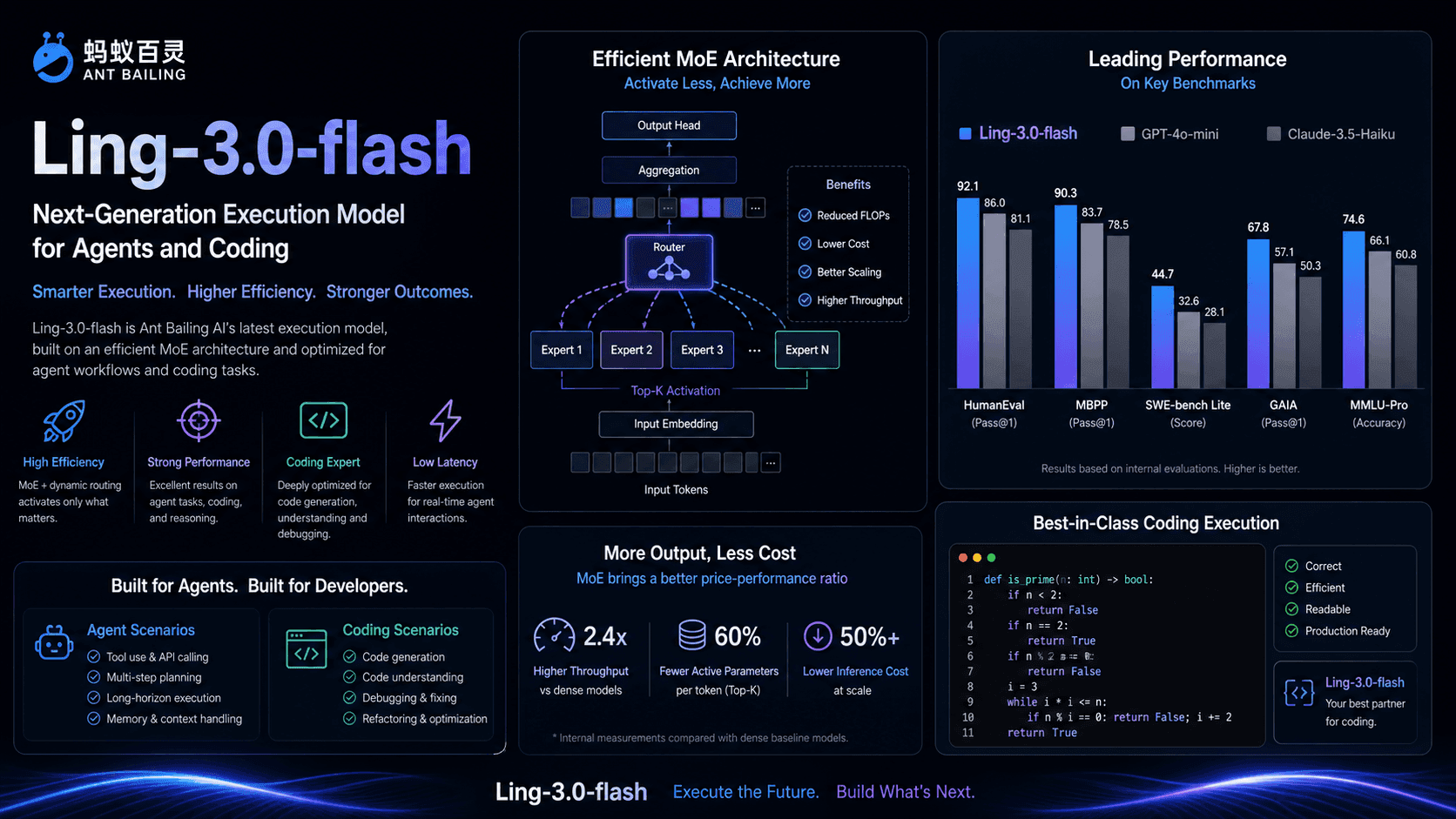
Run a local server with vLLM or Ollama serving DeepSeek V4 Flash or Kimi K3.
Option 2: LiteLLM Proxy
LiteLLM translates Anthropic's API format to any provider. Set it up once:
pip install litellm[proxy]
litellm --model deepseek/deepseek-v4-flash --port 8080
Then point Claude Code at it:
export ANTHROPIC_BASE_URL=http://localhost:8080
export ANTHROPIC_API_KEY=sk-dummy
claude
Option 3: Per-Project Config
Add this to your project's .claude/settings.json to use open weights only in specific repos:
{
  "env": {
    "ANTHROPIC_BASE_URL": "http://localhost:8080",
    "ANTHROPIC_MODEL": "deepseek-v4-flash"
  }
}
When Open Weights Make Sense
- High-volume, low-complexity tasks: test generation, boilerplate, simple regex fixes
- Cost-sensitive projects: open-source work, side projects, learning
- Privacy-sensitive contexts: run fully local with Ollama, zero data leaves your machine
When To Stick With Opus 4.6
- Complex multi-file refactors where Claude Code's agentic loop shines
- Security-critical code: Anthropic's Claude models just demonstrated strong cybersecurity capabilities (and one embarrassing incident — but the capability is real)
- MCP-heavy workflows: open-weight models have weaker tool-calling reliability
The Prediction Game
Willison's new prediction: "The Pope says something about open models" by year-end. Whether or not that happens, the trend is clear — open weights are now a legitimate Claude Code backend, not a toy.
Set up the LiteLLM proxy this week. Test one real task with DeepSeek V4 Flash. Compare the output quality against Opus 4.6. You'll know exactly when to switch.
Source: simonwillison.net