In a significant development that bridges geopolitical divides, Chinese telecommunications giant Huawei Technologies has joined the Agentic AI Foundation (AAIF), placing itself alongside American tech leaders OpenAI and Google in a collaborative effort to advance global open-source standards for agentic artificial intelligence. The announcement, made on Tuesday, represents one of the most notable instances of US-China cooperation in AI governance amid escalating technological competition between the two superpowers.
The Agentic AI Foundation's Expanding Coalition
The AAIF, established to create interoperable standards for AI agents—autonomous systems that can perceive, plan, and execute tasks—has expanded its membership to include 97 new organizations. Huawei's inclusion is particularly noteworthy given its status as a US-sanctioned entity since 2019, when the Trump administration placed the company on the Entity List over national security concerns related to its 5G technology.
This collaboration occurs within a foundation that includes not only OpenAI (creator of ChatGPT and GPT-4o) and Google (developer of Gemini 3.0 Pro and Gemini 3.1), but also European firms and academic institutions. The foundation's mission centers on establishing technical specifications, testing frameworks, and safety protocols for AI agents, which are increasingly being deployed across industries from customer service to autonomous systems.
Geopolitical Context and Significance
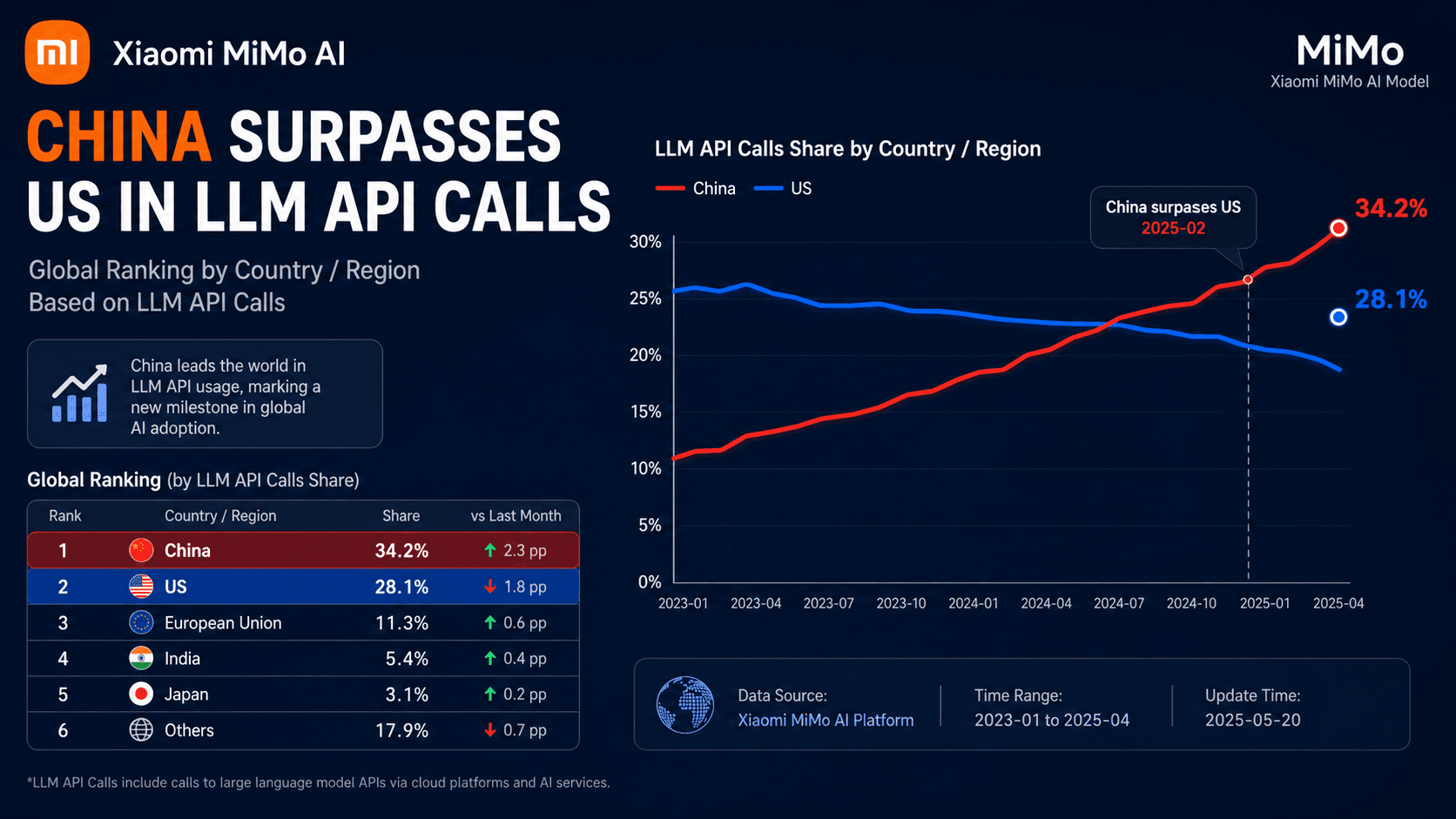
The partnership emerges against a backdrop of intensifying US-China technological competition, particularly in artificial intelligence. Both nations have identified AI as a critical strategic domain, with the US maintaining export controls on advanced semiconductors to China and China pursuing technological self-sufficiency through initiatives like "Made in China 2025."
Huawei's participation in an international standards body alongside its American competitors suggests a recognition by all parties that certain aspects of AI development require global coordination. Agentic AI systems, which operate with varying degrees of autonomy, present unique challenges around safety, interoperability, and ethical deployment that transcend national boundaries.
Technical Implications for Agentic AI Development
Agentic AI represents the next frontier in artificial intelligence, moving beyond conversational chatbots to systems capable of independent action. Recent developments from foundation members illustrate this trajectory:
- OpenAI recently introduced its Frontier platform for enterprise AI agents and formed a strategic "Frontier Alliance" with consulting giants McKinsey, BCG, Accenture, and Capgemini
- Google has been advancing its Gemini series, including Gemini 3.1 Flash Image for visual AI, while adopting Claude Code and GSD methodology to accelerate development workflows
- Both companies are investing heavily in infrastructure, with Google participating in a White House pledge to self-generate power for new AI data centers by 2026
Standardization efforts led by the AAIF could accelerate adoption of agentic AI by ensuring compatibility between systems developed by different organizations, reducing fragmentation in the rapidly evolving field.
The Sanctions Paradox
Huawei's inclusion presents a complex scenario: a company restricted from purchasing American technology participating in standards development alongside the very companies whose products it cannot legally acquire. This paradox highlights the tension between national security concerns and the practical realities of global technology governance.
The collaboration may represent a pragmatic acknowledgment that excluding Chinese entities from international standards bodies could ultimately harm American interests by allowing China to develop competing standards. Similar dynamics have played out in telecommunications, where China's substantial role in 5G development forced international engagement despite security concerns.
Industry Reactions and Competitive Landscape
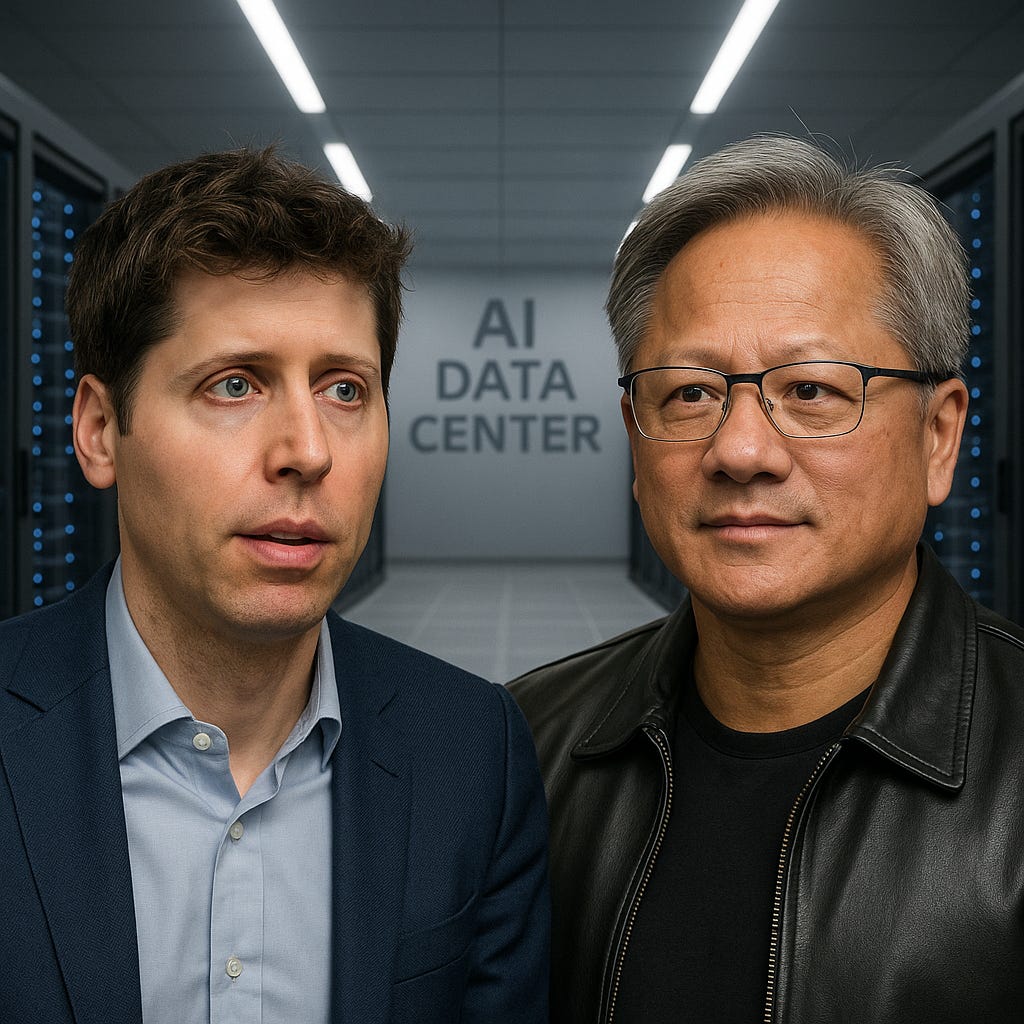
The AI competitive landscape remains intense despite this standards collaboration. OpenAI continues to compete with Anthropic and Nvidia in various AI domains, while Google maintains its rivalry with OpenAI across multiple product categories. Recent developments show both companies aggressively pursuing enterprise AI solutions and specialized capabilities:
- OpenAI's Frontier platform targets business automation
- Google's Gemini 3.1 Flash Image focuses on visual content generation
- Both are developing tools for database management and code generation
Industry analysts suggest that cooperation on standards may actually intensify competition at the product level by creating a common foundation upon which companies can differentiate their offerings.
Future Implications and Challenges
The Huawei-OpenAI-Google collaboration within the AAIF raises several important questions for the future of AI governance:
Technical vs. Political Standards: Will technical standardization efforts remain insulated from geopolitical tensions, or will they become another arena for US-China competition?
Safety and Ethics: How will the foundation address differing national approaches to AI ethics, particularly regarding privacy, surveillance, and autonomous decision-making?
Implementation and Enforcement: What mechanisms will ensure adherence to developed standards, especially given varying national regulatory environments?
Open Source vs. Proprietary Tensions: How will the foundation balance open-source principles with the proprietary interests of member companies?
Conclusion: A Fragile Bridge in Divided Times
The inclusion of Huawei in the Agentic AI Foundation alongside American tech leaders represents a significant, if fragile, bridge across the US-China technological divide. While both nations continue to compete fiercely in AI development and deployment, this collaboration suggests recognition that certain challenges—particularly around safety and interoperability—require coordinated solutions.
The success of this standards initiative will depend on maintaining technical focus amid political pressures, ensuring genuine collaboration rather than parallel participation, and developing frameworks that address legitimate security concerns without stifling innovation. As AI systems become increasingly autonomous and impactful, such international coordination may prove essential to managing risks while realizing the technology's transformative potential.
Source: South China Morning Post, "China's Huawei joins US giants OpenAI, Google in AI standards alliance" (2026)