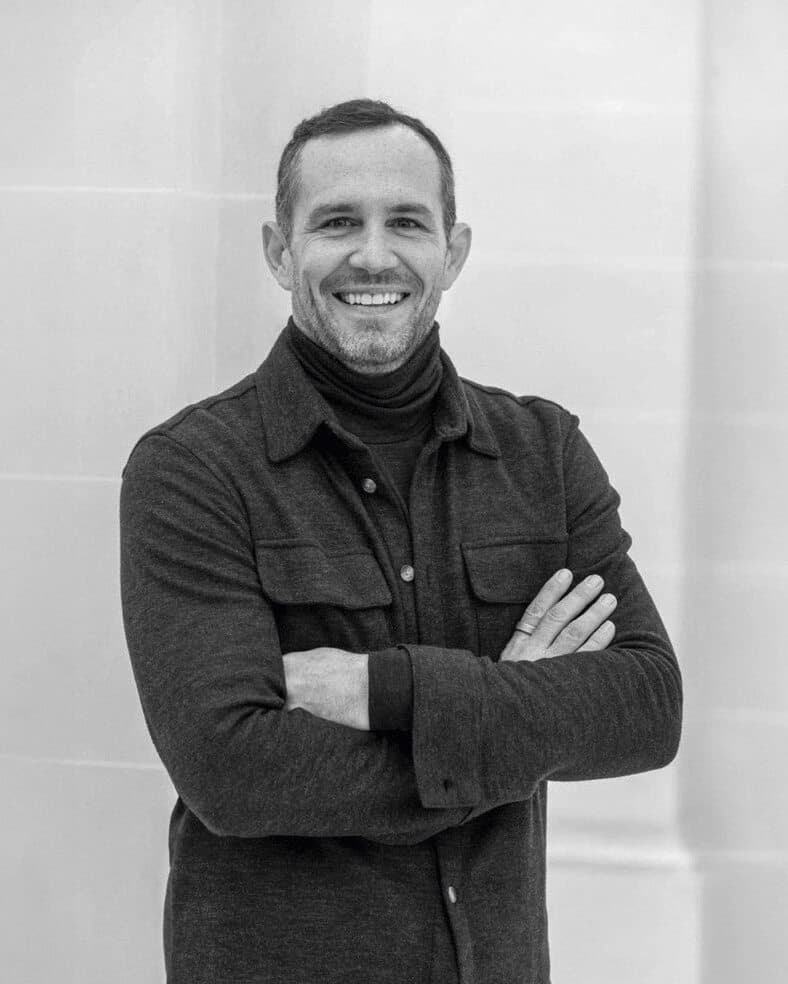
On Tuesday, French luxury conglomerate Kering announced a significant leadership appointment, naming Pierre Houlès as its new Director of Digital, Artificial Intelligence, and Technology. Houlès joins from the automotive industry, having previously served as an executive at Renault. This move follows CEO Luca de Meo's public emphasis on innovation during a dedicated event in late January, underscoring a clear strategic priority for the group.
The Appointment — A Cross-Industry Hire
This appointment represents a classic case of talent poaching from a parallel, tech-intensive industry. The automotive sector, particularly under the pressure of electrification and software-defined vehicles, has become a hotbed for executives skilled in managing complex digital transformations, large-scale IT infrastructure, and embedded AI systems. By recruiting Houlès, Kering is not just hiring an IT manager; it is importing a leader with experience in orchestrating technology across global supply chains, manufacturing, and direct-to-consumer platforms—a skillset highly transferable to the luxury goods ecosystem.
The consolidation of Digital, AI, and IT under a single executive is itself a statement. It breaks down the traditional silos between back-office infrastructure, front-end digital commerce, and experimental AI initiatives. This structure suggests that AI will be treated not as a standalone project but as a foundational layer integrated across all technology and customer-facing digital operations.
Why This Matters for Luxury & Retail
For Kering's portfolio—which includes Gucci, Saint Laurent, Bottega Veneta, and Balenciaga—the implications are profound. The role is positioned to address several core challenges:
- Scaling Personalization at Luxury Grade: AI-driven personalization in luxury must balance algorithmic efficiency with the exclusivity and discretion of high-touch service. An executive from automotive understands the challenge of mass customization within a premium framework, akin to configuring a high-end vehicle.
- Supply Chain and Craftsmanship 4.0: Luxury's value is tied to craftsmanship and ethical sourcing. AI and digital tracking (from IoT in boutiques to blockchain for provenance) can enhance transparency, demand forecasting, and inventory management for highly desirable, low-volume products. Houlès's background in complex manufacturing logistics is directly relevant.
- Defining the Luxury Metaverse & Digital Assets: Kering's houses are deeply engaged in digital fashion, gaming collaborations, and NFT experiments. Leading this requires a technology strategy that blends creative vision with robust digital platforms—a challenge similar to developing the digital twin of a car or its infotainment ecosystem.
- Data Unification and Customer Intelligence: A perennial challenge for conglomerates is creating a unified view of the customer across distinct, fiercely independent brands. A central Digital & AI chief can architect the shared data platforms, AI models, and governance needed to gain insights while respecting brand autonomy and data privacy regulations like GDPR.
Business Impact and Strategic Signal
While the announcement does not include specific metrics or projects, its strategic impact is clear:
- Acceleration of AI Deployment: This hire likely precedes a significant increase in budget and tempo for AI initiatives across the group, moving from pilot projects to scaled applications.
- Operational Efficiency: A core expectation will be leveraging AI and digital tools to improve margins—through smarter inventory, predictive analytics for trending products, and automated customer service—while freeing human talent for high-value creative and client-relationship tasks.
- Competitive Posture: This is a direct response to the digital and AI investments made by rivals like LVMH (which has a long-standing partnership with Google Cloud) and Richemont. It signals that Kering intends to compete on technological sophistication, not just creative design.
Implementation Approach and Challenges
Houlès will face immediate challenges:
- Cultural Integration: Introducing a leader from outside the luxury bubble into the secretive, brand-centric world of Kering. Success will depend on his ability to partner with creative directors and brand CEOs, framing technology as an enabler of creativity and brand equity, not a cost center.
- Legacy System Modernization: Unifying and modernizing the IT backbone across multiple acquired brands is a monumental task that must be addressed to enable advanced AI and data analytics.
- Talent: He will need to build and attract a hybrid team skilled in both cutting-edge AI (e.g., computer vision for virtual try-on, NLP for clienteling) and the specific nuances of the luxury retail environment.
Governance & Risk Assessment
The centralization of AI strategy also centralizes risk. Key governance areas will include:
- Data Privacy & Exclusivity: Luxury clients expect extreme discretion. AI models trained on customer data must have impeccable governance to avoid breaches and maintain trust.
- Brand Dilution: Over-automation or clumsy personalization can cheapen the luxury experience. The AI mandate must include strict guardrails to ensure all digital interactions reinforce brand mystique and value.
- Ethical AI and Sustainability: Kering has strong sustainability commitments. AI projects, particularly in supply chain and logistics, will be scrutinized for their environmental impact and for promoting ethical sourcing.
This appointment is less about a single technological breakthrough and more about a structural commitment. By placing a seasoned digital transformation leader from a complex manufacturing industry at the helm of its combined digital and AI future, Kering's CEO Luca de Meo is betting that the next phase of luxury competition will be won as much in the cloud and the data center as it is on the runway.