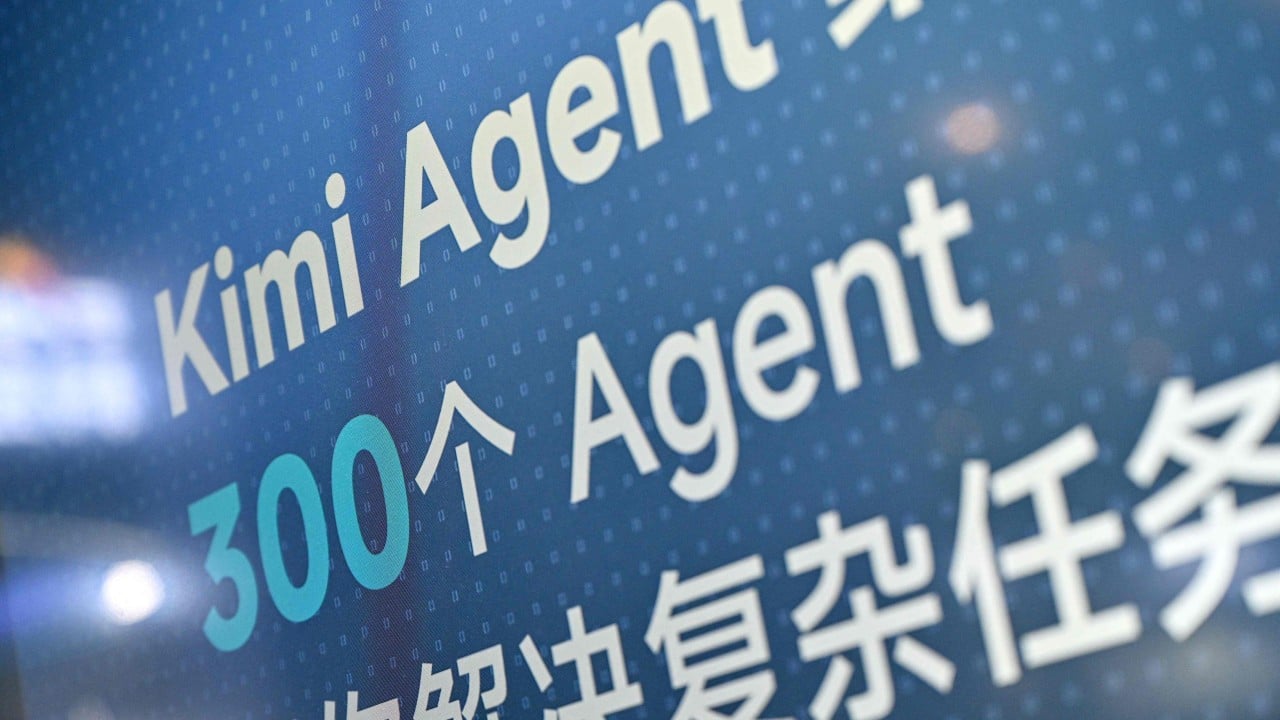
In a stunning display of market traction, Moonshot AI's conversational AI assistant Kimi has achieved what few startups ever accomplish: surpassing an entire previous year's revenue in just 20 days. According to reports from Pandaily, the Beijing-based AI company has seen its flagship product generate more revenue in the first three weeks of 2026 than it did throughout all of 2025, propelling the company to a $10 billion valuation in just over two years since its founding.
The Revenue Explosion
Kimi's revenue acceleration represents one of the fastest commercial adoptions of an AI product in China's competitive technology landscape. While specific revenue figures haven't been disclosed, the growth trajectory suggests that Kimi has successfully transitioned from a promising AI experiment to a commercially viable platform with significant market demand.
This explosive growth comes at a pivotal moment for Moonshot AI, which recently launched Kimi Claw—a browser-based AI workspace with OpenClaw integration—on February 16, 2026. The timing suggests that this new product offering may be contributing significantly to the revenue surge, though the core Kimi chatbot continues to drive adoption.
Strategic Positioning in China's AI Ecosystem
Moonshot AI has been dubbed one of China's "AI Tiger" companies by investors, positioning itself as a formidable competitor in the global AI race. The company's rapid ascent comes amid intense competition with Silicon Valley giants and other Chinese AI firms. According to the knowledge graph context, Moonshot AI competes directly with Claude Code and broader Silicon Valley AI initiatives, highlighting its ambitions beyond China's borders.
Recent developments reveal the high-stakes nature of this competition. On February 24, 2026, Anthropic identified Moonshot AI as orchestrating a model distillation attack on Claude—an indication of the aggressive tactics being employed in the AI arms race. This revelation underscores the competitive pressure driving rapid innovation and market expansion.
Funding and Valuation Context
The $10 billion valuation milestone makes Moonshot AI China's fastest "decacorn" (a startup valued at $10 billion or more). This valuation surge follows reports from February 17, 2026, that the company was seeking a $10 billion valuation in an expanded funding round backed by Alibaba and Tencent—two of China's technology titans.
The backing from Alibaba and Tencent provides Moonshot AI with not just capital but strategic advantages in distribution, cloud infrastructure, and enterprise relationships. This support system has likely accelerated Kimi's market penetration and revenue growth.
Technical Foundation and Product Evolution
Kimi's underlying technology represents China's growing sophistication in large language models and conversational AI. While specific architectural details remain proprietary, the knowledge graph context references abstract syntax trees (ASTs)—data structures used to represent program code—suggesting that Kimi may have particular strengths in understanding and generating code, which aligns with its competition against Claude Code.
The recent launch of Kimi Claw represents a strategic expansion from a standalone chatbot to an integrated workspace environment. By creating a browser-based platform with OpenClaw integration, Moonshot AI is positioning Kimi as not just a conversational interface but a comprehensive productivity tool—a move that mirrors broader industry trends toward AI-powered work environments.
Market Implications and Competitive Landscape
Kimi's revenue explosion occurs against a backdrop of what the knowledge graph describes as "rapid advancement of AI capabilities threatening traditional software models" (February 24, 2026). This context suggests that Kimi's success represents more than just one company's achievement—it signals a fundamental shift in how software value is created and captured in the AI era.
The competitive dynamics are particularly intense in China's AI sector, where multiple well-funded startups and established tech giants are vying for dominance. Moonshot AI's relationship with the "white-collar economy" (as noted in the knowledge graph) indicates its focus on productivity and knowledge work applications, positioning it to capture value from enterprise and professional users.
Global Context and Future Trajectory
Kimi's success story emerges as China demonstrates increasing independence and innovation in AI development. While much global attention focuses on U.S.-based AI companies, Moonshot AI's rapid ascent shows that China is developing its own AI champions capable of competing at the highest levels.
The company's trajectory raises important questions about the future of AI development: Will we see increased regional specialization in AI capabilities? How will geopolitical factors influence AI innovation and adoption? And what does Kimi's success suggest about the commercial viability of conversational AI beyond simple chatbots?
Challenges and Considerations
Despite the impressive revenue growth, Moonshot AI faces significant challenges. The model distillation attack allegations suggest potential ethical and competitive concerns that could affect international expansion. Additionally, maintaining such explosive growth will require continuous innovation, scaling of infrastructure, and navigation of increasingly complex AI regulations in China and abroad.
The company must also demonstrate that its revenue growth is sustainable rather than merely reflecting initial curiosity or promotional pricing. As AI tools become more commoditized, Kimi will need to develop durable competitive advantages beyond its current momentum.
Conclusion: A New Chapter in China's AI Ambitions
Kimi's achievement of becoming China's fastest decacorn through explosive revenue growth represents a milestone in the global AI landscape. It demonstrates that Chinese AI companies can achieve world-class commercial success while developing distinctive technological approaches.
As Moonshot AI continues to expand with backing from Alibaba and Tencent, and as Kimi evolves from chatbot to integrated workspace, the company is positioning itself as a central player in shaping how AI transforms work and productivity. The coming months will reveal whether this explosive growth can be sustained and how Kimi will navigate the complex competitive and regulatory landscape of global AI development.
Source: Pandaily - "Kimi Surpasses Last Year's Full-Year Revenue in 20 Days, Becomes China's Fastest 'Decacorn'"