What Happened
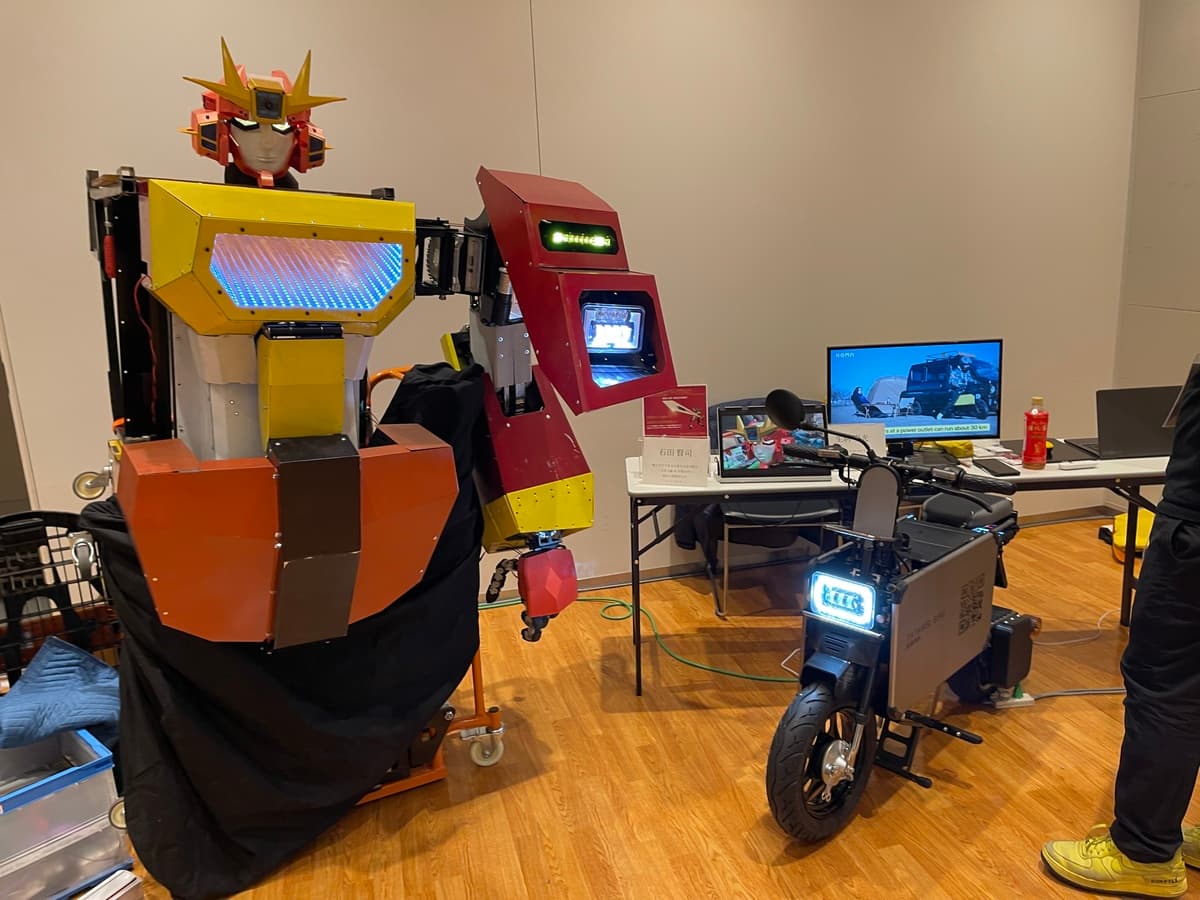
A research team at Kyoto University has developed a humanoid robot, dubbed "Buddharoid," designed to function as a Buddhist monk. The project is a direct response to Japan's severe and growing shortage of ordained monks, which has led to the closure of temples across the country.
The robot is not a simple chatbot. According to the announcement, its AI system has been trained on a vast dataset comprising over 1,000 years of Buddhist scriptures, sutras, and philosophical texts. This training enables it to provide spiritual guidance, answer questions on Buddhist doctrine, and perform basic rituals.
Context
The development sits at the intersection of two major trends in Japan: a demographic crisis and advanced robotics. Japan's aging population and declining interest in monastic life have created a critical shortage of religious practitioners. Simultaneously, Japan is a global leader in robotics, frequently deploying robots in roles from customer service to elderly care.
Buddharoid represents a novel application of this expertise, attempting to preserve cultural and religious practices through technology where human practitioners are no longer available. The move from industrial and service robots to roles requiring cultural, philosophical, and ritual knowledge marks a significant step in social robotics.
Technical & Cultural Implications
While specific technical details on the robot's hardware, AI model architecture, or training methodology were not provided in the initial announcement, the project raises immediate questions.
From a technical standpoint, the key challenge is moving beyond information retrieval to context-aware, empathetic interaction. A robot reciting sutras is one thing; a robot providing personalized spiritual counsel that resonates with a human seeker is a vastly more complex AI problem involving natural language understanding, sentiment analysis, and perhaps multimodal interaction.
Culturally and ethically, the project is provocative. It challenges traditional definitions of religious authority and the role of human experience in spiritual leadership. Can guidance generated by an AI trained on texts, without lived human experience of suffering, enlightenment, or community, hold the same weight? The reception within Buddhist communities, particularly more traditional sects, will be a critical factor in its adoption.
gentic.news Analysis
This development is a stark, practical example of a trend we've been tracking: the application of AI to mitigate workforce shortages in specialized, knowledge-intensive fields. It follows logically from projects like AI legal assistants for document review or diagnostic support in healthcare, but applies the concept to a deeply humanistic domain previously considered immune to automation.
It also aligns with Japan's unique socio-technical trajectory, where robotics are often framed as solutions to social problems—a pattern we noted in our coverage of companion robots for the elderly. The Buddharoid project extends this logic from physical care and companionship into the realm of cultural preservation and spiritual practice.
However, this project stands in contrast to most AI developments covered in technical circles, which focus on beating benchmarks or optimizing commercial applications. There is no SWE-bench or MMLU score for spiritual guidance. Success here will be measured by subjective human acceptance and the robot's ability to sustain religious community, presenting a fascinating, real-world test for AI's "soft" capabilities. The project will serve as a live case study on the limits and possibilities of AI in replicating roles that require wisdom, tradition, and emotional intelligence.
Frequently Asked Questions
What is the Buddharoid robot?
The Buddharoid is a humanoid robot developed by researchers at Kyoto University, designed to function as a Buddhist monk. Its AI system is trained on a dataset of Buddhist scriptures spanning over 1,000 years, enabling it to provide doctrinal guidance and perform rituals.
Why was the Buddharoid created?
It was created to address a critical shortage of human monks in Japan, driven by an aging population and declining interest in monastic life. This shortage has led to the closure of temples, and the robot is proposed as a technological solution to help preserve religious practices and community functions.
What can the Buddharoid robot do?
Based on the initial announcement, the Buddharoid can offer guidance based on Buddhist teachings and perform rituals. Its specific capabilities—such as whether it can lead full ceremonies, interact in Q&A sessions, or provide personalized counsel—are likely under development and subject to the project's technical progress and religious community validation.
Is this the first robot used in religion?
No, robots and AI have been introduced in religious contexts before. Examples include Pepper robots used in Japanese funeral ceremonies, AI-powered confessionals, and chatbots that provide scriptural answers. However, a dedicated humanoid "robot monk" trained on a millennia-spanning dataset represents a significant escalation in both technical ambition and the formal delegation of religious authority to a machine.