Key Takeaways
- LAFC deployed Mashgin's AI computer vision checkout at BMO Stadium, processing transactions in under a second.
- This reduces queues and improves fan experience, showcasing a retail-relevant use case for sports venues.
What Happened
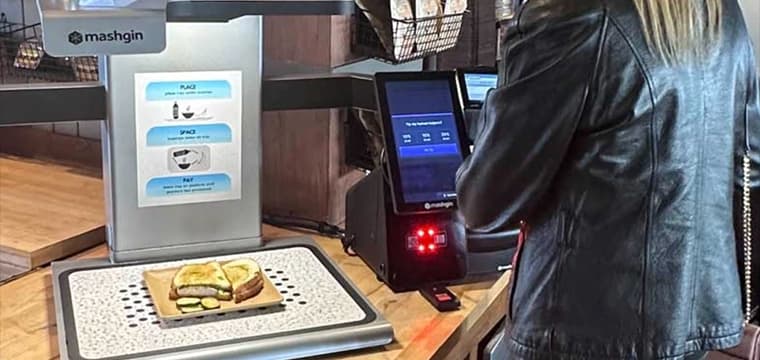
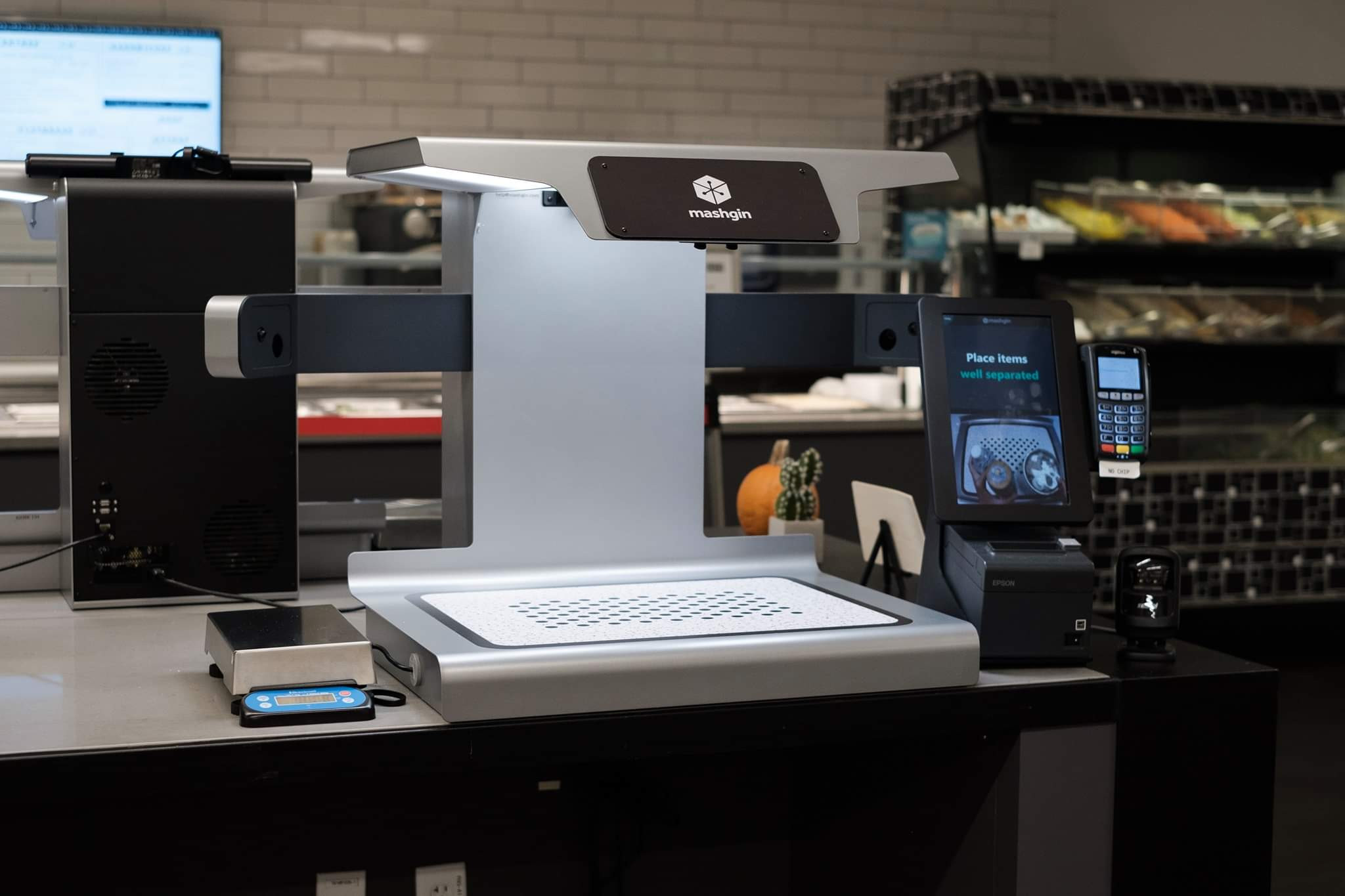
Major League Soccer's Los Angeles Football Club (LAFC) has deployed Mashgin's AI-powered computer vision checkout system at BMO Stadium. The system allows fans to pay for concession items in under one second without scanning barcodes, using computer vision to identify items placed on a tray.
Mashgin, a company specializing in AI-driven self-checkout, has previously deployed its technology in corporate cafeterias and convenience stores. This marks one of the first implementations in a professional sports venue, targeting the high-traffic environment of a stadium.
How It Works
The system uses a combination of cameras and machine learning models to recognize food and beverage items as they are placed on the checkout tray. Once identified, the system tallies the total and processes payment via credit card or mobile wallet. No barcode scanning or manual entry is required.
Mashgin claims the system reduces transaction time from an average of 30-60 seconds with traditional POS systems to under one second. For a stadium serving thousands of fans during halftime, this represents a significant reduction in queue length and wait times.
Retail & Luxury Implications
While this deployment is in a sports venue, the underlying technology has direct applications for retail and luxury:
- Pop-up stores and temporary retail: Luxury brands operating pop-ups at events or seasonal locations can deploy similar systems for fast checkout without permanent infrastructure.
- High-traffic retail: Stores in dense urban areas or tourist destinations can reduce checkout friction during peak hours.
- Café and restaurant retail: Luxury department stores with in-store dining or cafés can integrate the system for faster service.
The technology is particularly relevant for environments where speed is critical but accuracy cannot be compromised — a balance that traditional barcode scanning struggles to maintain under pressure.
Business Impact
The primary business impact for LAFC is operational: reduced queue lengths mean higher throughput per concession stand, which translates to more sales during limited time windows (e.g., halftime). For a stadium with 22,000 seats, even a 10% increase in concession throughput can represent significant incremental revenue.
For Mashgin, the LAFC deployment serves as a referenceable case study for other sports venues and event spaces. The company has previously deployed at over 100 locations including airports and corporate campuses.
Implementation Approach
Deploying a computer vision checkout system requires:
- Hardware installation: Cameras and processing units at each checkout station
- Model training: Machine learning models need to be trained on the specific items being sold (food, beverages, merchandise)
- Integration with existing POS: The system must connect to payment processors and inventory management systems
- Staff training: Employees need to understand the system and handle edge cases (e.g., items the system cannot identify)
Complexity is moderate — the system replaces existing POS hardware but requires integration with backend systems. Training time is minimal.
Governance & Risk Assessment
- Privacy: The system uses cameras but does not store facial recognition data; it analyzes items on the tray only.
- Bias: Risk is low, as the system identifies objects, not people.
- Maturity: The technology is production-ready, with deployments at over 100 locations. However, edge cases (unusual items, poor lighting, overlapping items) remain a challenge.
- Maturity Level: Mature and production-deployed.
gentic.news Analysis
This deployment is a textbook example of AI solving a specific, high-value operational problem: checkout friction. The technology is not novel — Mashgin has been operating for years — but the LAFC deployment signals growing adoption in high-traffic venues beyond traditional retail.
For retail and luxury leaders, the lesson is not about the technology itself but about the use case: find the friction point that costs you revenue per minute. For LAFC, that's halftime. For a luxury store, it might be checkout during a trunk show or a seasonal sale.
The key insight: computer vision checkout works best in environments with a limited, predictable set of items (stadium food, café items, event merchandise). It is less suited for general retail with thousands of SKUs unless the model is extensively trained.
Mashgin's success in stadiums and corporate cafeterias suggests the technology is ready for broader retail deployment, but the ROI depends on traffic volume. For low-traffic stores, the hardware cost may not justify the marginal improvement.
Source: news.google.com