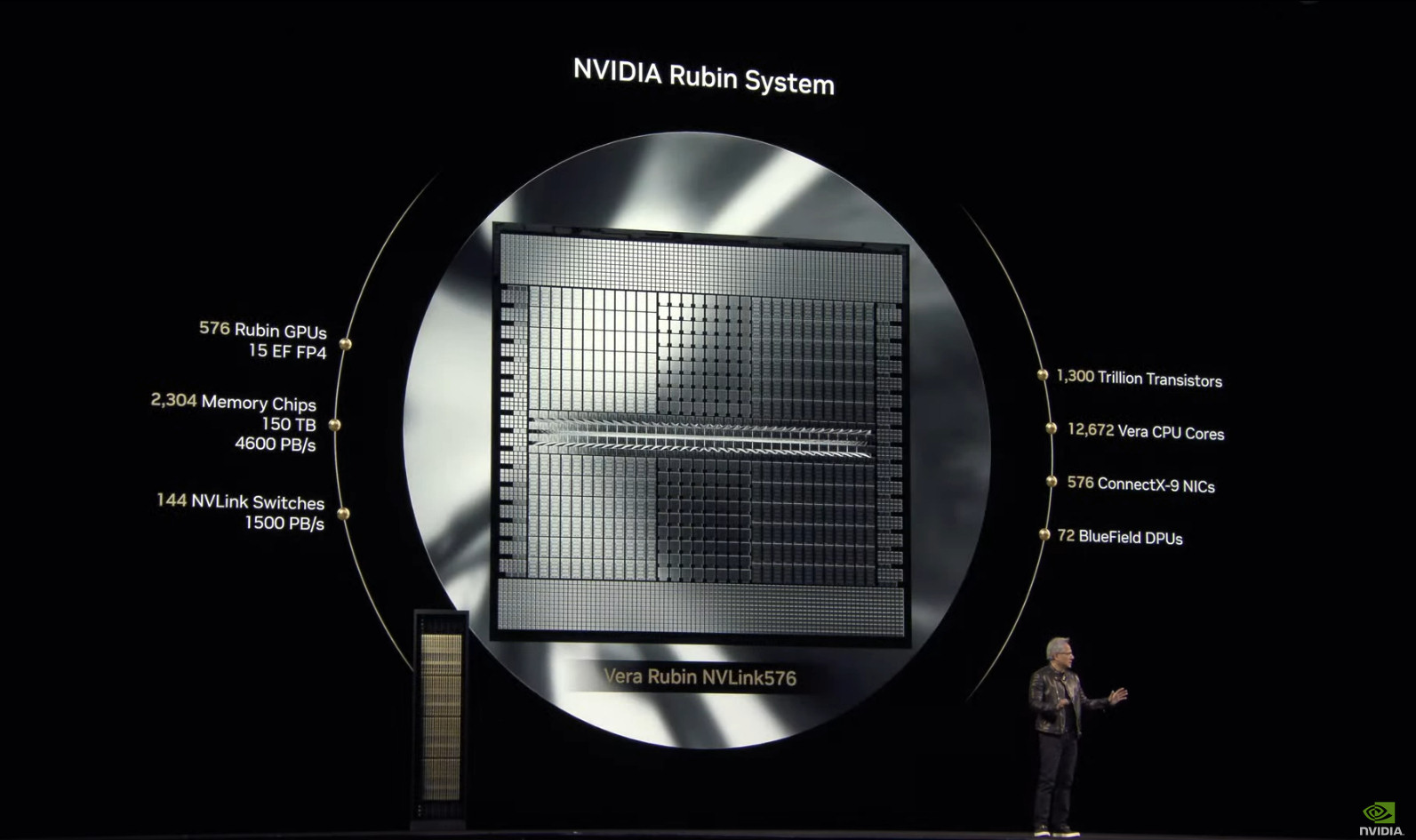
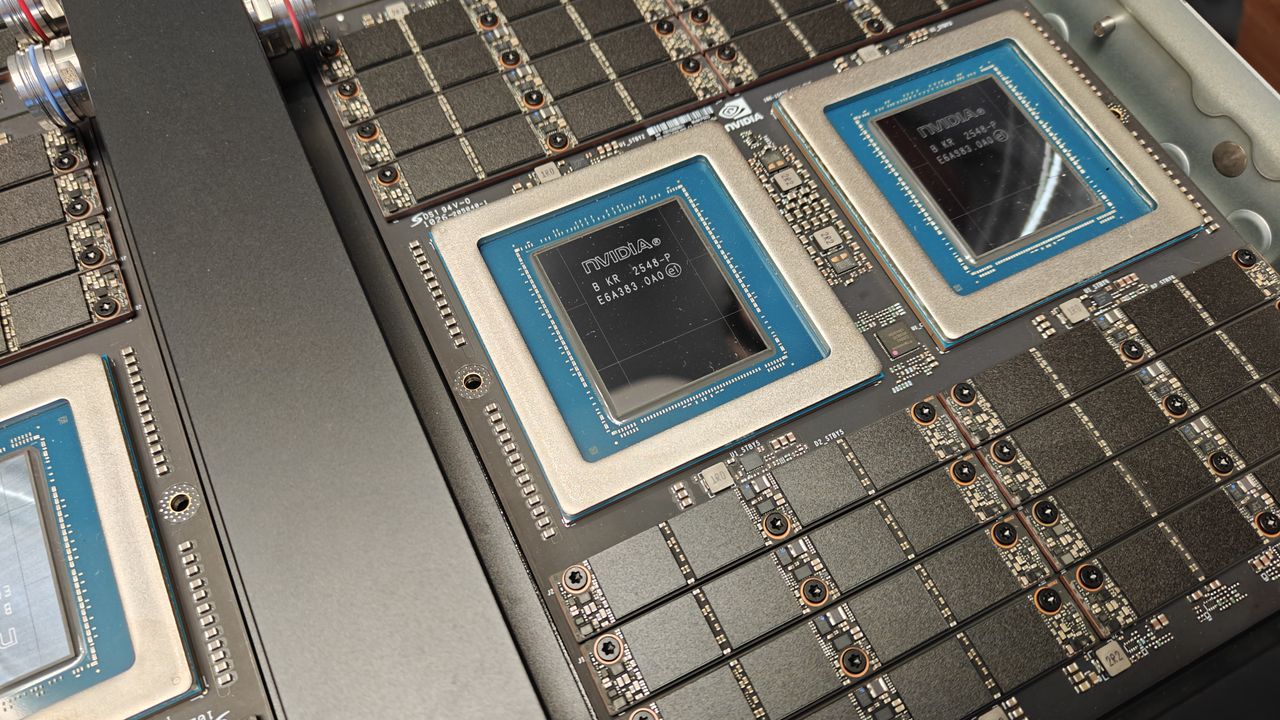
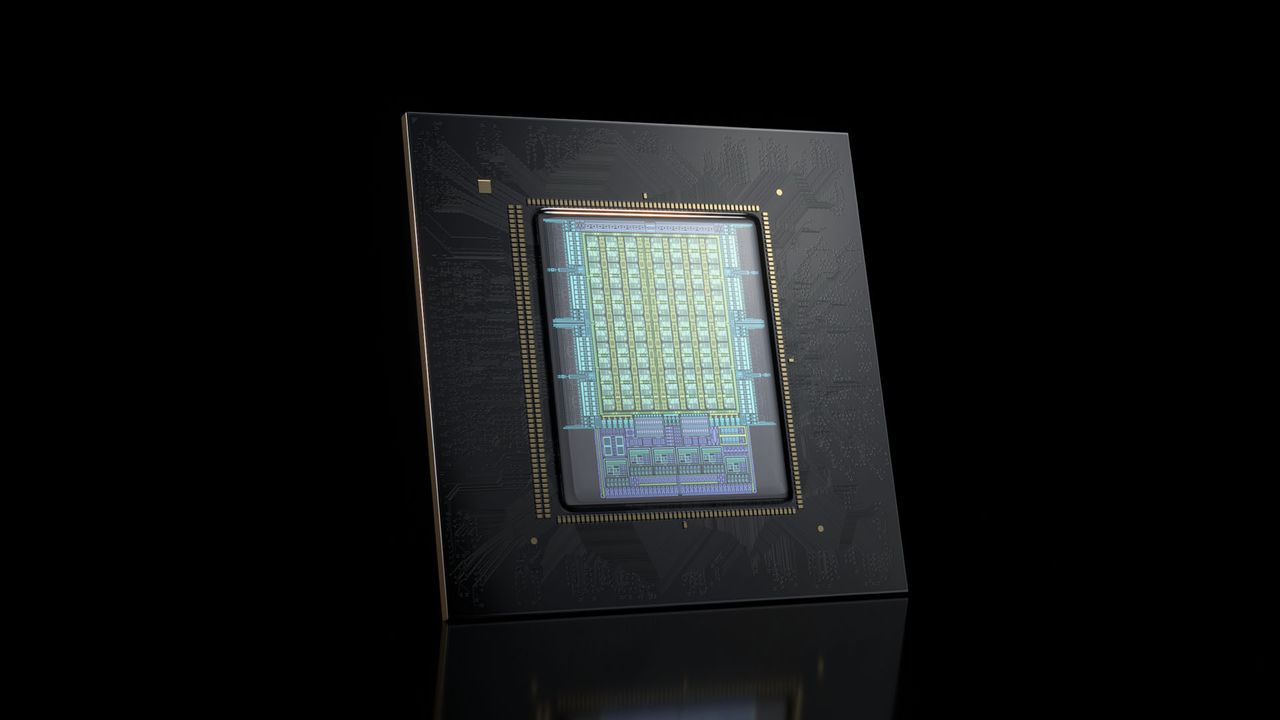
In a move that signals the next phase of the AI arms race, Meta Platforms has announced a landmark partnership with NVIDIA that will fundamentally reshape how artificial intelligence operates within one of the world's most popular messaging platforms. The social media giant has committed to purchasing "millions" of NVIDIA's next-generation Blackwell and Rubin GPUs while simultaneously deploying NVIDIA's Confidential Computing technology within WhatsApp—creating what could become the largest-scale implementation of privacy-preserving AI in consumer technology history.
The Hardware Foundation: A Multi-Billion Dollar Investment
Meta's announcement comes as part of its previously disclosed plan to spend up to $135 billion on AI infrastructure in 2026 alone. While exact figures weren't disclosed, analysts estimate the NVIDIA portion of this investment likely reaches "tens of billions" of dollars, representing one of the largest corporate AI hardware purchases in history.
The partnership includes several technological firsts:
- Massive GPU Acquisition: Meta will deploy millions of NVIDIA's Blackwell and Rubin GPUs across its data centers
- Standalone Grace CPUs: Meta becomes the first company to deploy NVIDIA's Grace CPUs in standalone configuration (separate from GPUs) for inference and agentic workloads
- Spectrum-X Ethernet: Implementation of NVIDIA's high-performance networking technology to connect this massive AI infrastructure
This hardware foundation represents more than just computational power—it's the physical infrastructure needed to bring sophisticated AI capabilities to WhatsApp's over 2 billion monthly active users.
Confidential Computing: The Privacy Breakthrough
The most significant aspect of this partnership isn't the sheer scale of hardware, but rather how Meta plans to use it. NVIDIA's Confidential Computing technology represents a fundamental shift in how AI processes sensitive data.
Traditional AI systems typically face a privacy paradox: to provide personalized, intelligent features, they need access to user data, but accessing that data creates security vulnerabilities. Confidential Computing solves this by creating secure, isolated environments where data can be processed without being exposed—even to the system administrators or the company running the servers.
For WhatsApp, which has built its reputation on end-to-end encryption and user privacy, this technology is essential. As NVIDIA explains in their technical documentation, Confidential Computing allows Meta to "secure data during computation, not just when it's being shuttled to a server."
Implications for WhatsApp Users
The integration of Confidential Computing AI into WhatsApp could enable several transformative features while maintaining the platform's privacy standards:
Intelligent Messaging Assistance: AI could help draft messages, summarize conversations, or translate languages in real-time without exposing message content
Enhanced Media Interaction: Photo and video analysis for accessibility features, content organization, or creative tools
Business Automation: AI-powered customer service agents for businesses using WhatsApp, capable of handling complex queries while protecting customer data
Personal AI Agents: The technology also allows third-party AI providers to offer services within WhatsApp while protecting their intellectual property—potentially creating an ecosystem of specialized AI assistants
The Broader AI Landscape
Meta's move represents a strategic response to competitive pressures from companies like Google, Microsoft, and Apple, all of which are racing to integrate AI into their core products. However, Meta faces unique challenges due to WhatsApp's encryption-first design and the regulatory scrutiny surrounding social media platforms.
By adopting Confidential Computing, Meta addresses several critical concerns simultaneously:
- Regulatory Compliance: Meeting increasingly strict data protection regulations (GDPR, CCPA, etc.)
- User Trust: Maintaining WhatsApp's reputation as a secure messaging platform
- Competitive Differentiation: Offering AI features that competitors cannot easily replicate without similar privacy protections
Technical Implementation Challenges
Scaling Confidential Computing to WhatsApp's user base presents unprecedented engineering challenges. The system must:
- Process potentially trillions of messages daily with minimal latency
- Maintain end-to-end encryption while allowing AI processing
- Scale efficiently across global data centers
- Ensure consistent performance across diverse devices and network conditions
Meta's decision to deploy Grace CPUs separately from GPUs suggests a sophisticated architecture where different AI workloads are routed to optimized hardware—simple inference tasks to CPUs, complex model operations to GPUs.
Industry Impact and Future Trends
This partnership establishes several important precedents:
Enterprise Adoption: Other companies with sensitive data (healthcare, finance, government) now have a proven blueprint for implementing AI
Hardware Innovation: NVIDIA's success with Confidential Computing will likely accelerate similar technologies from competitors
Regulatory Framework: This implementation may help shape future AI regulation by demonstrating what's technically possible for privacy preservation
Market Dynamics: The massive scale of Meta's purchase reinforces NVIDIA's dominance in AI hardware while potentially creating supply chain challenges for smaller competitors
Looking Ahead: The AI-Powered Messaging Future
As Meta begins implementing this technology throughout 2026 and beyond, users can expect a gradual rollout of AI features within WhatsApp. The success of this integration will depend not just on technical execution, but on user acceptance and regulatory approval.
What makes this development particularly significant is its timing. As AI capabilities advance rapidly, the question of how to implement them ethically and securely has become increasingly urgent. Meta and NVIDIA's partnership represents one of the first large-scale attempts to answer that question for consumer messaging.
The ultimate test will be whether users perceive these AI features as genuinely privacy-preserving while providing meaningful utility. If successful, this approach could become the standard for AI implementation across all sensitive applications—from healthcare to finance to personal communications.
Source: Meta's partnership announcement and NVIDIA technical documentation, February 2026