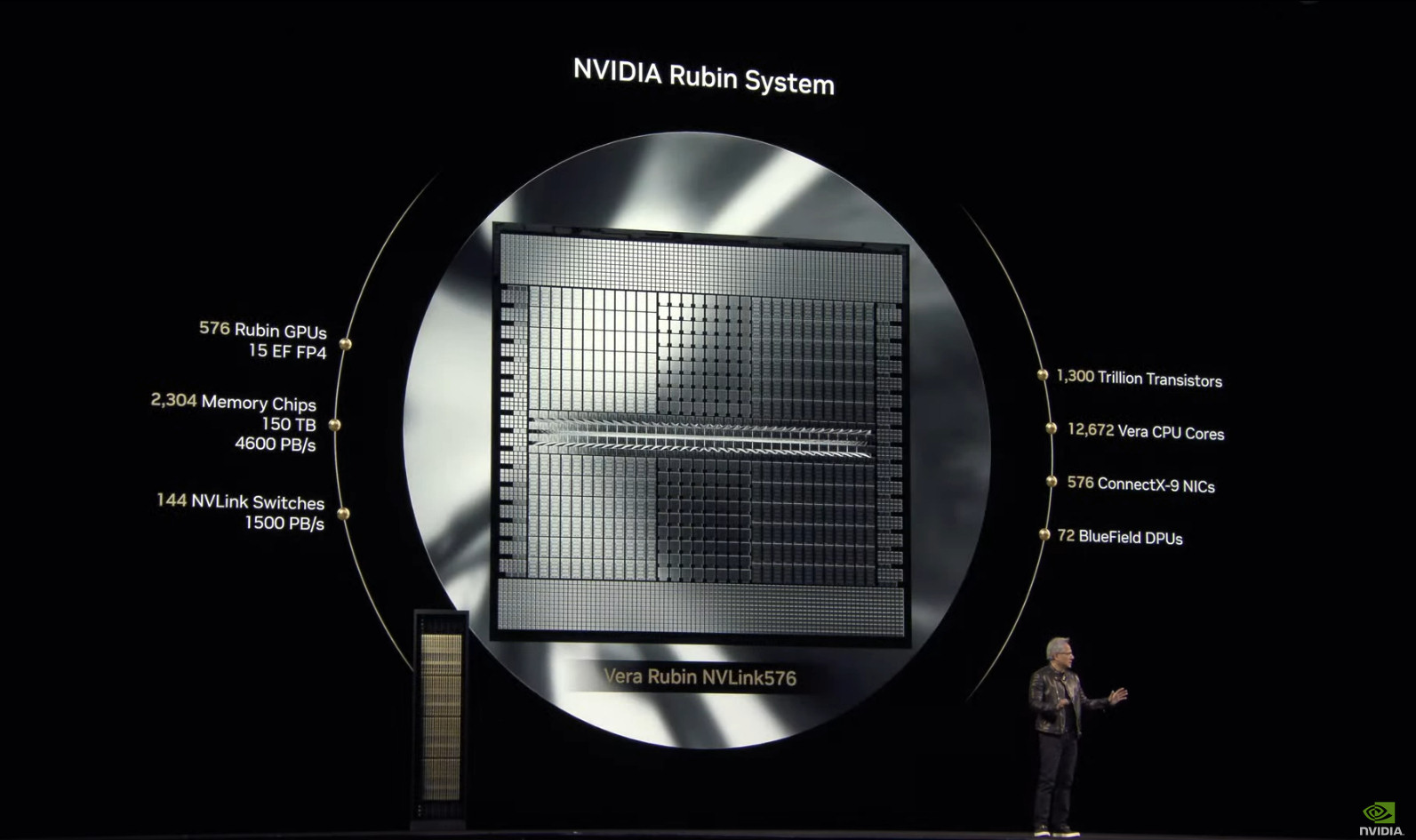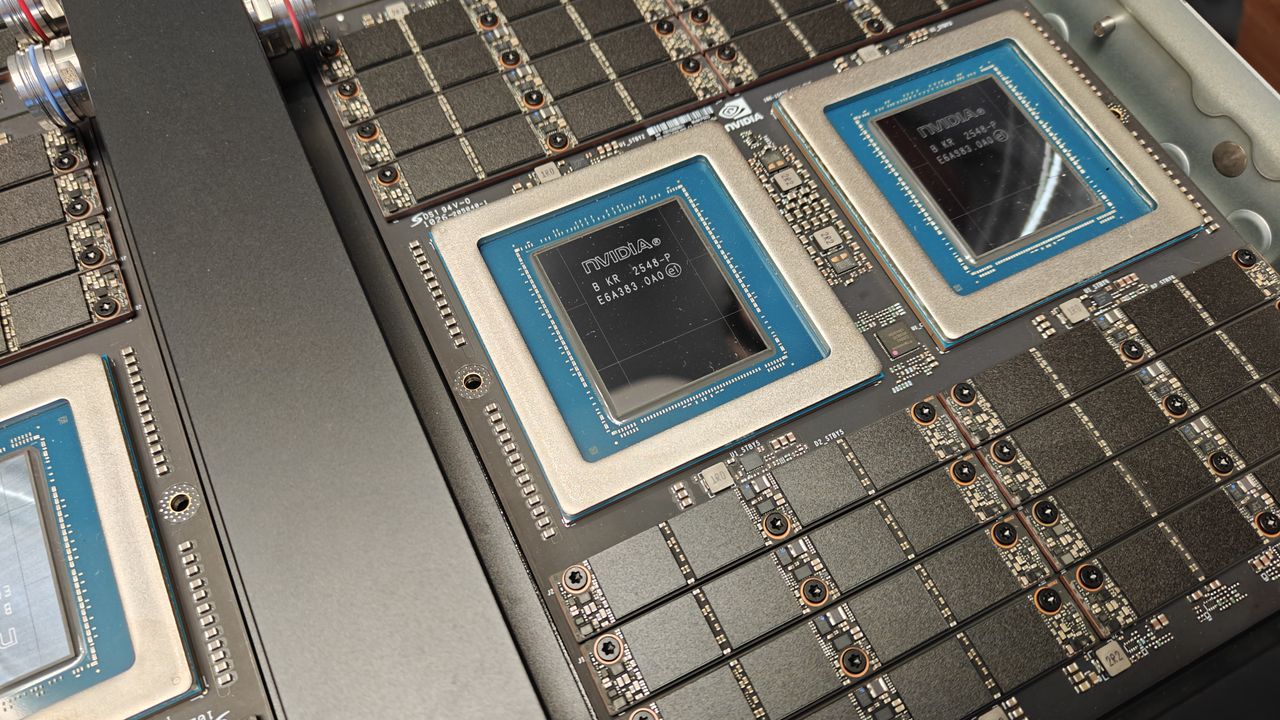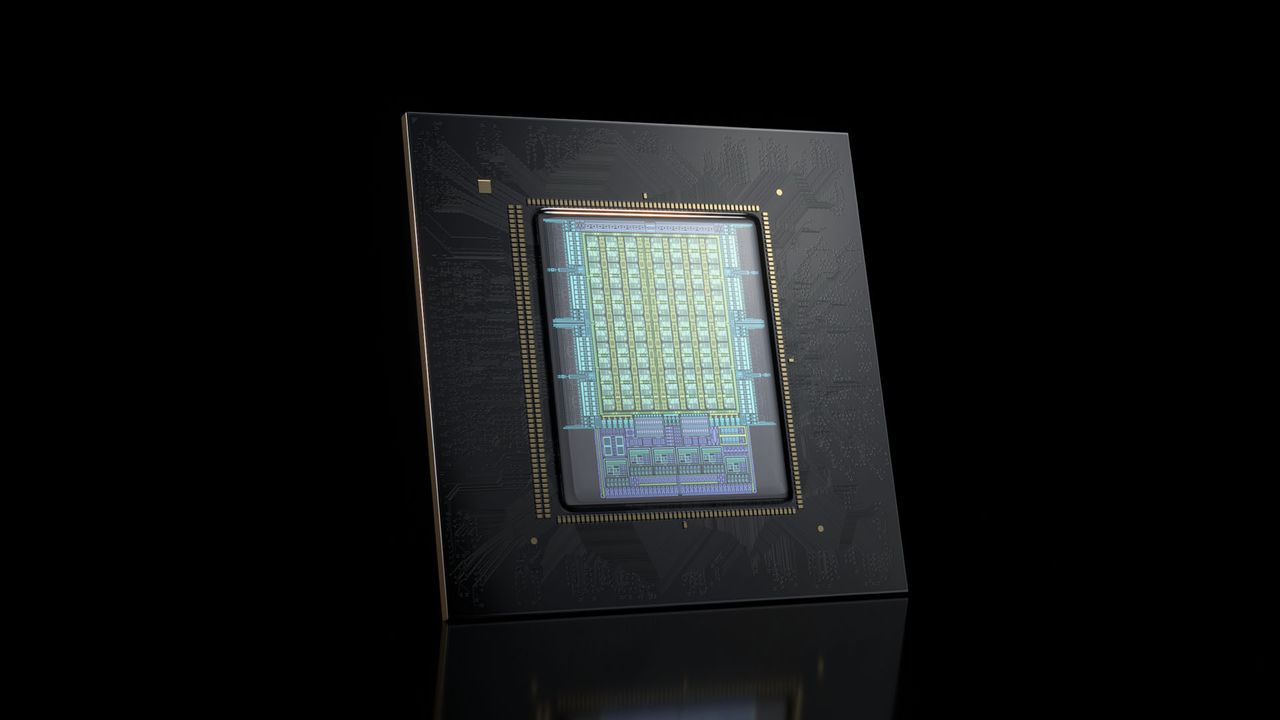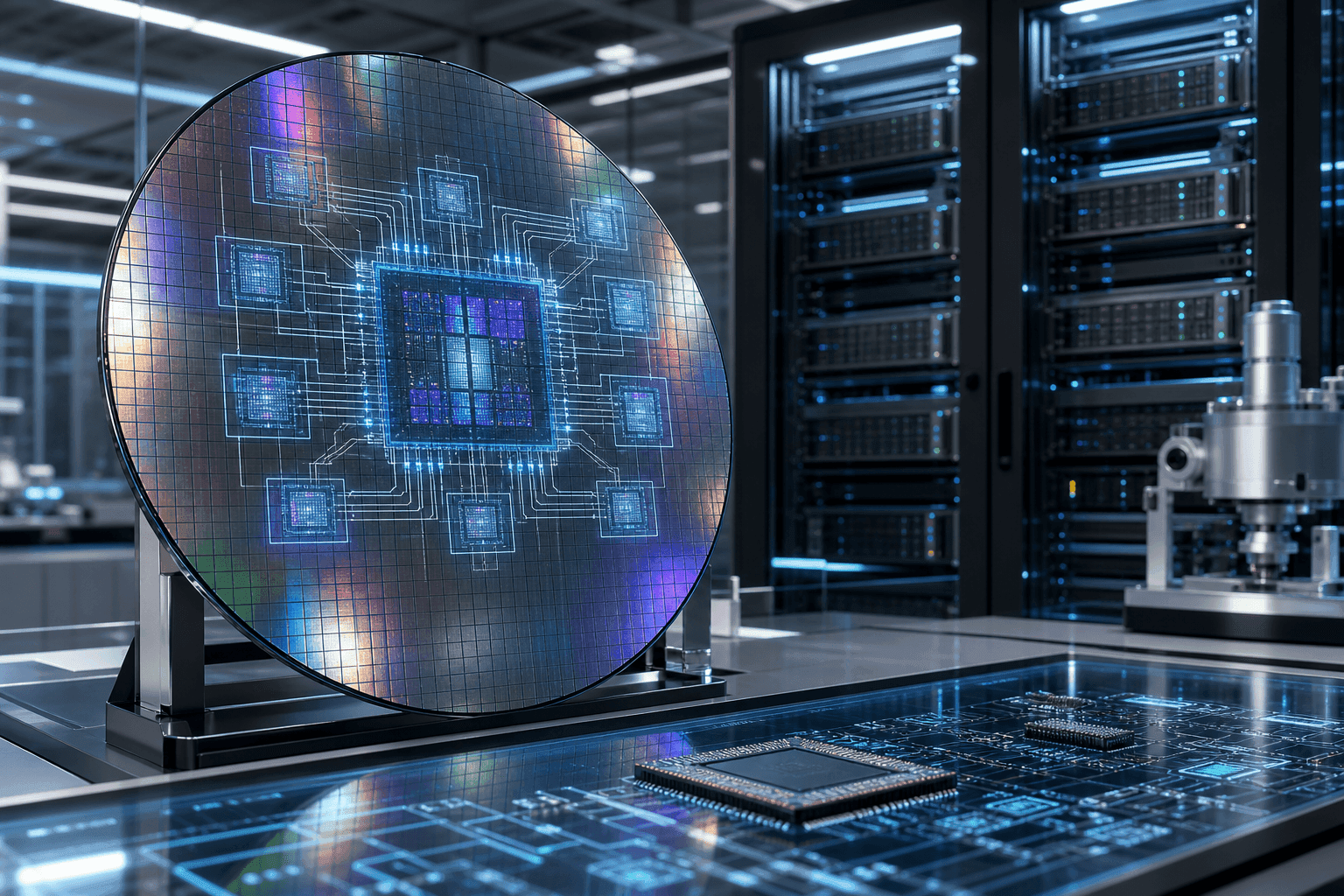
In a move that solidifies the infrastructure foundation of the next decade's artificial intelligence, Meta Platforms Inc. has entered into an expanded, multi-year partnership with Nvidia Corp. to acquire and deploy "millions" of Nvidia's most advanced processors. The deal, announced on February 17, 2026, encompasses Nvidia's forthcoming Blackwell and Rubin generation Graphics Processing Units (GPUs), Central Processing Units (CPUs), and networking systems. This isn't merely a large purchase order; it's a strategic declaration that computational scale is now the definitive battleground for AI supremacy.
The Anatomy of a Mega-Deal
While specific financial terms remain undisclosed, the scale is conveyed in unit volume: millions of processors over multiple years. The hardware will be integrated into Meta's global data center fleet to power both the training of massive foundational AI models and the inference workloads required to run them for billions of users across Instagram, Facebook, WhatsApp, and Reality Labs products.
The partnership is explicitly "multi-generational," locking in Meta's access to Nvidia's immediate roadmap. This includes the Blackwell architecture—whose Ultra GB300 NVL72 systems were recently unveiled with claims of 50x higher performance per megawatt—and the subsequent Rubin platform. By securing supply years in advance, Meta is insulating itself from the extreme scarcity and competitive procurement wars that have characterized the AI chip market.
Strategic Context: Why Meta Needs a Mountain of GPUs
This deal cannot be viewed in isolation. It arrives amidst a flurry of strategic activity from both companies, painting a clear picture of their ambitions.
For Meta, the compute commitment is the engine for its overarching AI strategy. Just one day prior to this announcement, Meta completed its acquisition of Manus, the AI company behind sophisticated "Manus Agents." These agents likely represent a new class of AI assistants and automation tools requiring immense inference capacity. Furthermore, a recently revealed Meta patent describes AI technology capable of managing "digital afterlife" profiles for deceased users—a controversial but computationally intensive application.
CEO Mark Zuckerberg has repeatedly stated that building leading AI and the metaverse are the company's two core long-term goals. Both are voracious consumers of processing power. The metaverse requires real-time rendering and physics simulation, while advanced AI models like the rumored successors to Llama 3 demand training runs on ever-larger datasets. This Nvidia pact provides the raw horsepower for this dual-track vision.
For Nvidia, the deal cements its role as the indispensable foundry of the AI era. Coming off the announcement of its NVL72 systems achieving up to 100x inference performance gains in real-world tests, this partnership demonstrates that its technological lead is translating into unassailable commercial contracts. The agreement turns Meta, one of the world's largest potential customers, into a captive anchor tenant for its next two architectural generations.
Industry Implications: A Widening Chasm
The Meta-Nvidia deal has seismic implications for the competitive landscape of AI.
1. The Barrier to Entry Skyrockets: If leading AI advancement requires a private stockpile of millions of the world's most advanced chips, the pool of companies that can compete at the frontier shrinks dramatically. Startups and even well-funded challengers will be forced to rely on cloud providers—who are themselves scrambling for limited supply—putting them at a structural disadvantage in the race for larger, more capable models.
2. Vertical Integration Pressures: This deal will intensify efforts by other hyperscalers (like Google, Amazon, and Microsoft) and large rivals (like Apple) to double down on their own custom silicon programs. While they may still buy Nvidia chips, the dependency illustrated here fuels the urgency to develop viable in-house alternatives. However, Nvidia's continued performance leaps, as seen with Blackwell, make catching up a moving target.
3. The Data Center as a Strategic Asset: The focus shifts from just algorithms and data to physical compute infrastructure. Data center scale, power procurement, and cooling efficiency become primary competitive advantages. Meta's investment is as much in megawatts and real estate as it is in silicon.
4. A New Phase of AI Product Development: With this compute foundation secured, Meta can plan and launch AI products with the assumption of virtually unlimited underlying scale. This enables more ambitious, persistent, and ubiquitous AI integrations across its family of apps and hardware devices, potentially changing user expectations for what social platforms and digital assistants can do.
Looking Ahead: The Rubin Horizon and Beyond
The inclusion of the yet-to-be-released Rubin platform indicates this is a partnership looking deep into the 2030s. It creates a powerful feedback loop: Nvidia gains a guaranteed, high-volume customer to justify its massive R&D investments, while Meta gets early input and assured access to chips tailored for its specific AI workloads.
This symbiosis, however, raises questions about market concentration and resilience. The global AI ecosystem is becoming deeply dependent on the execution of one chipmaker and the strategic plans of a handful of tech giants. Any disruption in this chain—from geopolitical tensions to supply chain issues—could ripple through the entire industry.
Ultimately, the "millions of chips" pact is more than a procurement story. It is the clearest signal yet that the age of AI software experimentation is giving way to the era of AI industrial scale. The winners will be those who control the means of production. For now, Meta is betting that its future is inextricably linked to Nvidia's silicon, making this one of the most significant alliances in the history of modern computing.