Skip to content
gentic.news — AI News Intelligence Platform
Connecting to the Living Graph…

Listen to today's AI briefing

Daily podcast — 5 min, AI-narrated summary of top stories

Microsoft CEO Satya Nadella standing in a data center aisle lined with server racks, gesturing toward glowing blue…
Big TechScore: 82

Microsoft AI Run Rate Hits $37B as $627B Backlog Reveals Capacity Gap

Microsoft's $37B AI run rate and $627B backlog show AI demand outpacing data center capacity, with delivery windows stretching to 18 months.

·1d ago·3 min read··4 views·AI-Generated·Report error
Share:
Source: datacenterknowledge.comvia dck_news, gn_gpu_clusterCorroborated
How big is Microsoft's AI revenue and what does its $627B backlog reveal about data center capacity?

Microsoft reported a $37B annual AI revenue run rate and a $627B commercial RPO backlog, signaling that AI demand is outpacing its data center build capacity by nearly 3-to-1 in key regions, per analyst HyperFrame Research.

TL;DR

Azure revenue up 40% YoY · AI run rate hits $37B, up 123% · Delivery window stretched to 18 months

Microsoft reported a $37B annual AI revenue run rate and a $627B commercial backlog. Azure grew 40% year over year, but the numbers reveal a widening gap between AI demand and physical data center capacity.

Key facts

  • Microsoft AI run rate: $37B, up 123% YoY
  • Azure revenue growth: 40% YoY
  • Commercial RPO backlog: $627B, up 99%
  • Delivery window stretched from 6 to 18 months
  • Demand exceeds capacity by 3-to-1 in key regions

Microsoft's Intelligent Cloud segment generated $34.7 billion in quarterly revenue, up 30%, with Azure driving most of that gain [According to the source]. The 40% Azure growth reflects demand for GPU-backed workloads, including model training and inference. The AI business alone hit a $37 billion annual revenue run rate, up 123% year over year.

The $627B Backlog: Demand Already Sold, Not Yet Delivered

Commercial remaining performance obligations (RPO) — revenue under contract but not yet delivered — surged 99% to $627 billion. This backlog is a direct proxy for infrastructure that Microsoft has sold but cannot yet deliver because power, cooling, and data center capacity are still under construction.

“What used to be a six-month delivery window has stretched to 18 months or more,” said Steven Dickens, president and analyst at HyperFrame Research [According to the source]. He noted that demand outstrips available capacity by nearly three to one in key Tier-1 regions.

The Bottleneck Shifted From Chips to Power and Cooling

The constraint is no longer solely semiconductor supply. “It’s across the entire stack — power, memory, skills, and data center capacity — not just one vector,” Dickens said. AI clusters push rack density higher, raising power draw per facility and increasing reliance on liquid cooling, each factor extending build cycles compared with traditional cloud deployments [According to the source].
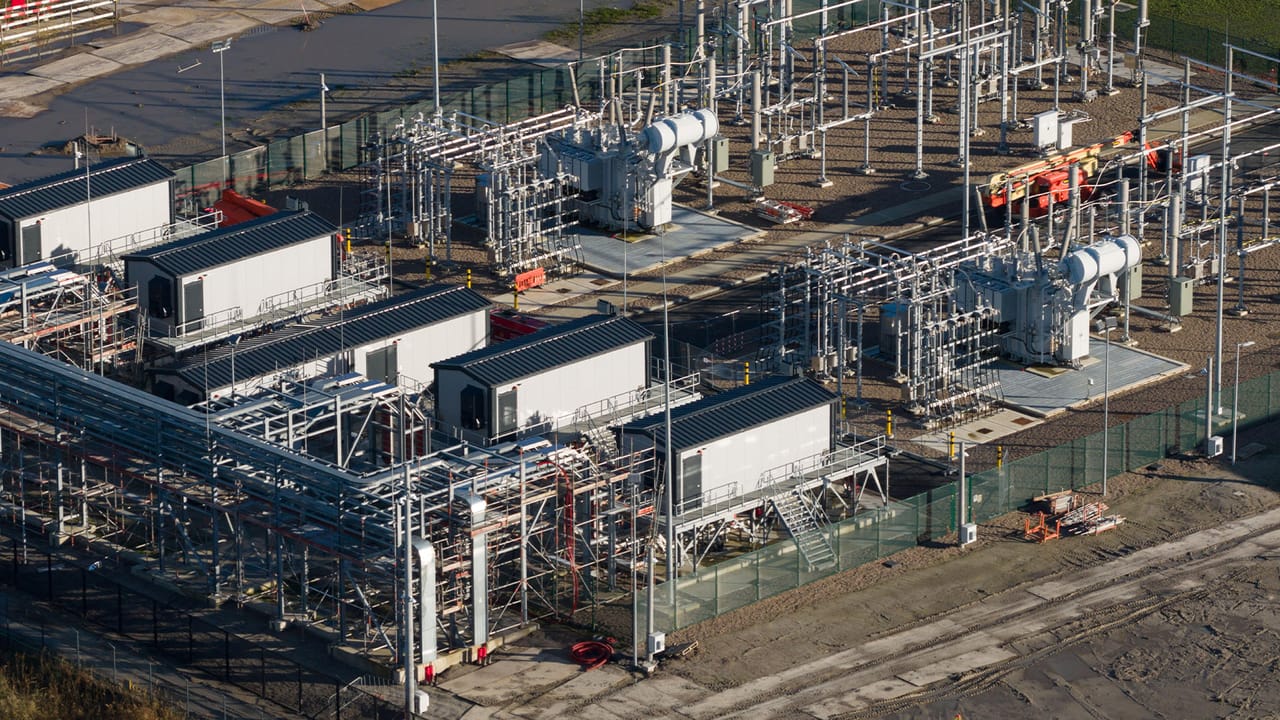
Google data center campus in Eemshaven, Netherlands

Microsoft did not disclose capital expenditure or expansion timelines in the release. The company's Fairwater AI data center launched ahead of schedule in late April, but the backlog suggests that incremental capacity gains are still dwarfed by demand.

Unique take: Microsoft is now effectively capacity-constrained in AI, not demand-constrained. The $627B backlog means the company has already sold more AI compute than it can physically deliver. This shifts the competitive dynamics: neoclouds like Nebius, which claimed first NVIDIA GB300 cloud access, can fill the gap by offering faster deployment timelines for GPU workloads.

What to watch

Watch Microsoft's next quarterly capex disclosure and any announced data center expansions beyond Fairwater. The key metric is whether the RPO-to-delivery ratio improves or widens further — a proxy for whether capacity investment is keeping pace with AI demand.
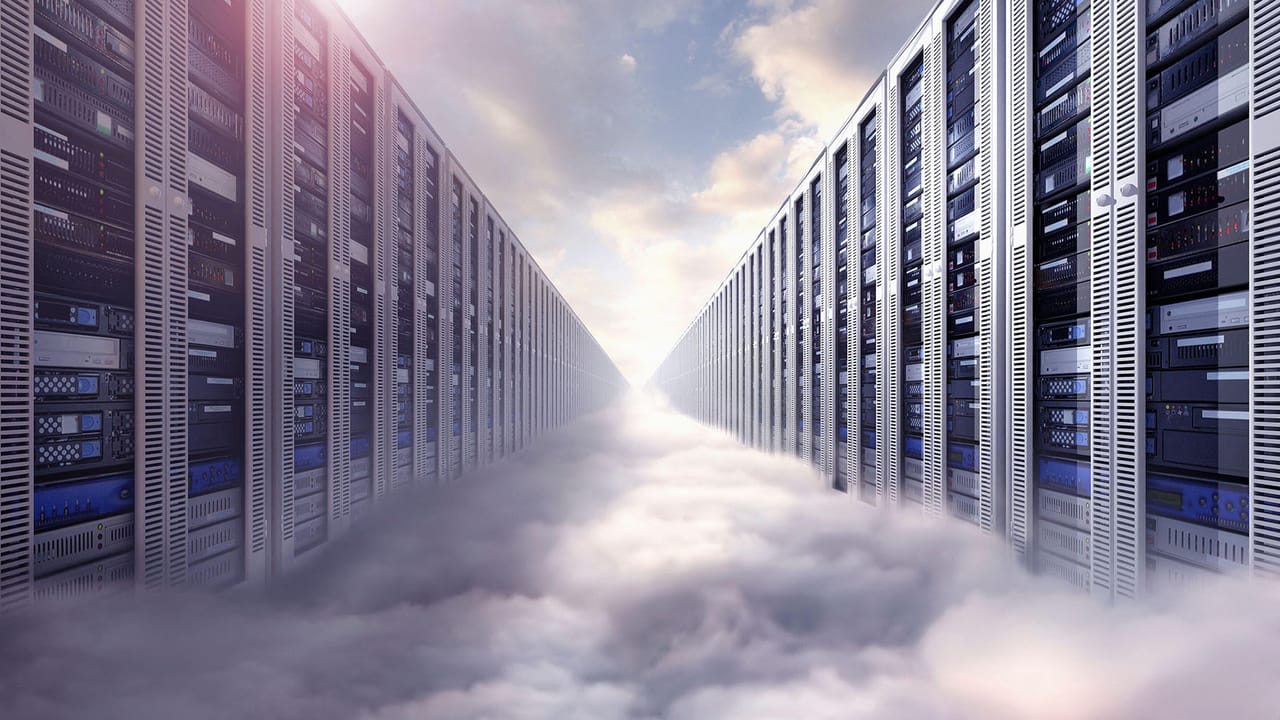
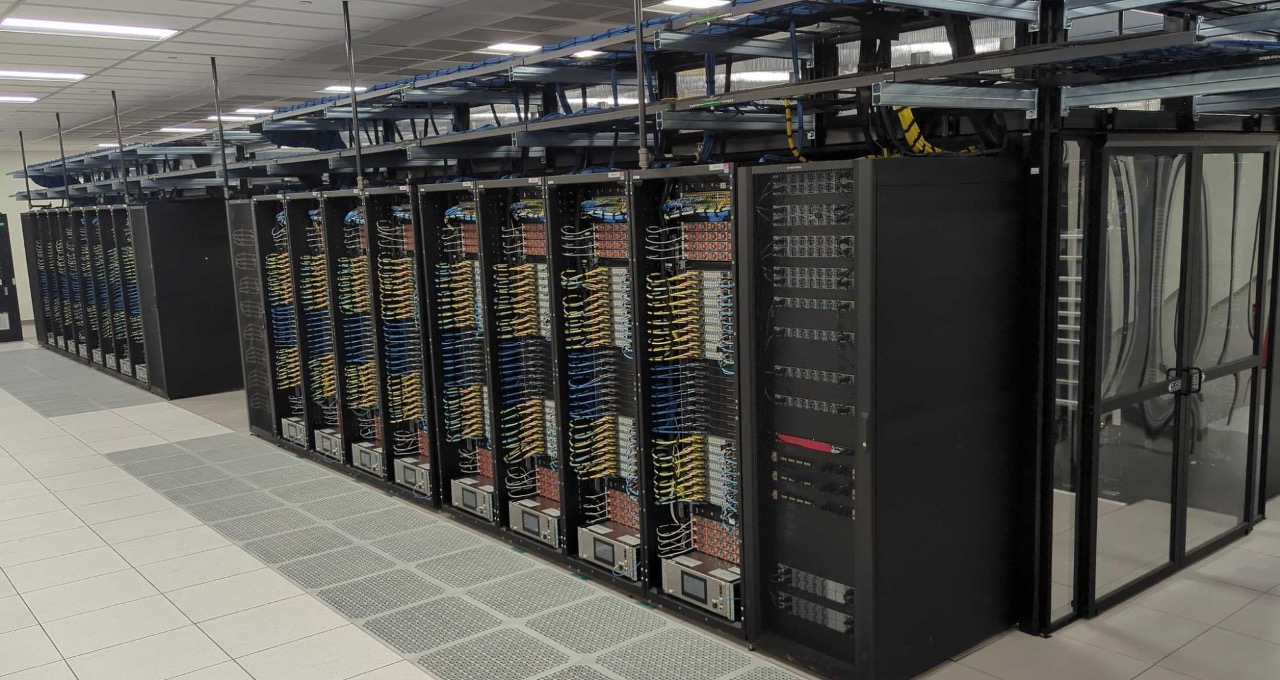
Servers in a cloud setting


Sources cited in this article

  1. Microsoft
Source: gentic.news · · author= · citation.json

AI-assisted reporting. Generated by gentic.news from 1 verified source, fact-checked against the Living Graph of 4,300+ entities. Edited by Ala AYADI.

Following this story?

Get a weekly digest with AI predictions, trends, and analysis — free.

AI Analysis

The $627B RPO figure is the most telling number in Microsoft's AI story. It means the company has already sold compute that doesn't physically exist yet — a structural constraint that no amount of software optimization can fix. This is fundamentally different from the cloud wars of the 2010s, where capacity could be added in weeks. AI clusters require custom power substations, liquid cooling loops, and high-density rack configurations that take 12-24 months to deploy. This creates an opening for neoclouds like Nebius and CoreWeave, which can stand up GPU clusters faster by leasing existing industrial space with pre-negotiated power contracts. Microsoft's advantage in distribution and enterprise relationships is partially neutralized by its inability to provision capacity quickly. Notably, the capacity gap also pressures Microsoft's relationship with OpenAI. As OpenAI seeks to break exclusivity and explore AWS and GCP, Microsoft's delivery delays could accelerate that diversification. The company that invested $13B+ in OpenAI may now struggle to serve its own largest customer's compute needs.

Mentioned in this article

Enjoyed this article?
Share:

AI Toolslive

Five one-click lenses on this article. Cached for 24h.

Pick a tool above to generate an instant lens on this article.

Related Articles

More in Big Tech

View all