Microsoft will deploy AMD’s Helios rack-scale AI accelerator at scale on Azure. The system, powered by Radeon Instinct MI455X GPUs and Epyc Venice CPUs, gives Redmond a second major silicon supplier for AI workloads.
Key facts
- Microsoft deploying AMD Helios 'at scale' on Azure
- Powered by Radeon Instinct MI455X and Epyc Venice
- First major Azure commitment to AMD for AI
- Helios is a rack-scale design for large-model workloads
- Pricing, availability, and benchmarks not disclosed
Microsoft will deploy AMD’s Helios rack-scale AI accelerator ‘at scale’ on Azure, according to @tomshardware. The system is powered by AMD’s Radeon Instinct MI455X GPUs and Epyc Venice CPUs, marking the first time Microsoft has committed to AMD silicon for large-scale AI inference and training in its public cloud.
Why This Matters More Than the Press Release Suggests
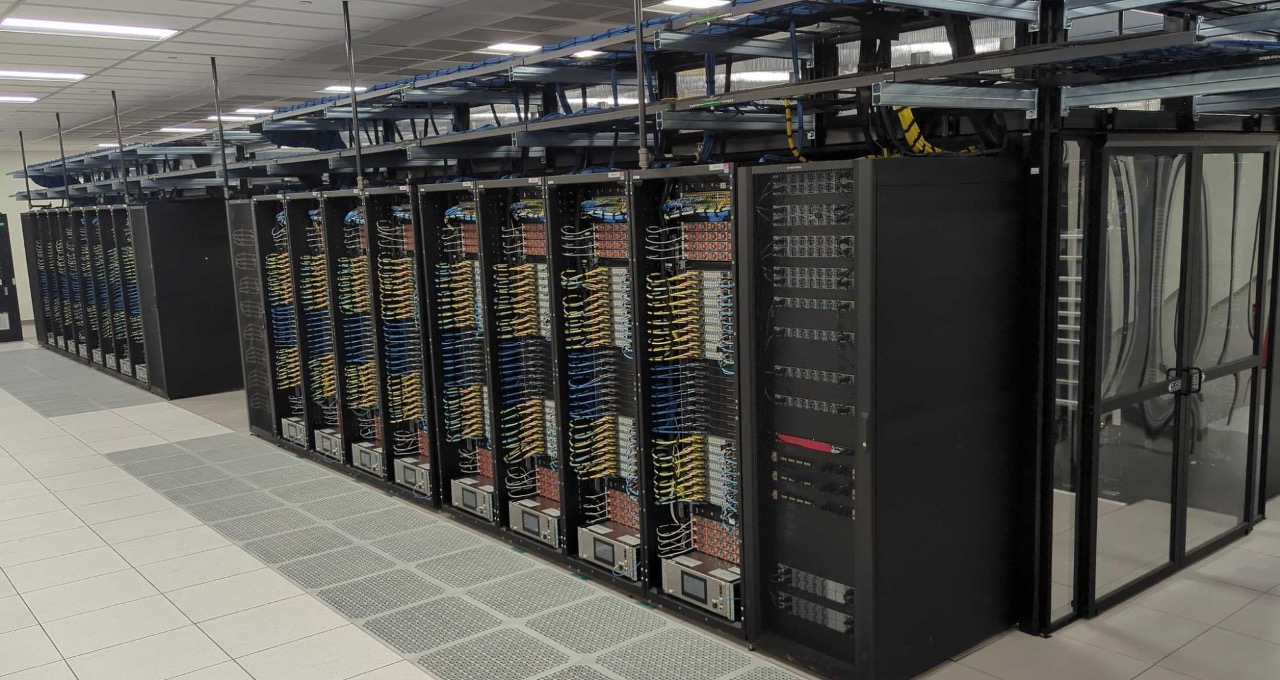
Helios is a rack-scale design that tightly couples compute and memory, reducing data movement bottlenecks common in distributed GPU clusters. For Microsoft, the move is as much about supply-chain leverage as performance. Nvidia’s H100 and B200 GPUs remain the dominant choice for Azure AI, but Nvidia has faced allocation constraints and long lead times. By qualifying AMD’s Helios at scale, Microsoft gains negotiating power and a fallback if Nvidia supply tightens.
The Radeon Instinct MI455X is AMD’s latest data-center GPU, though the company has not disclosed its peak TFLOPS or memory bandwidth. The Epyc Venice CPU, based on the Zen 5 architecture, provides the host compute. Helios integrates these components into a single rack with high-speed interconnects, optimized for large language model training and real-time inference workloads.
Microsoft did not disclose pricing, availability dates, or performance benchmarks for the Azure deployment, [per @tomshardware]. The company also declined to specify which Azure regions will host Helios or whether it will be available to all customers or initially limited to select partners.
Competitive Landscape
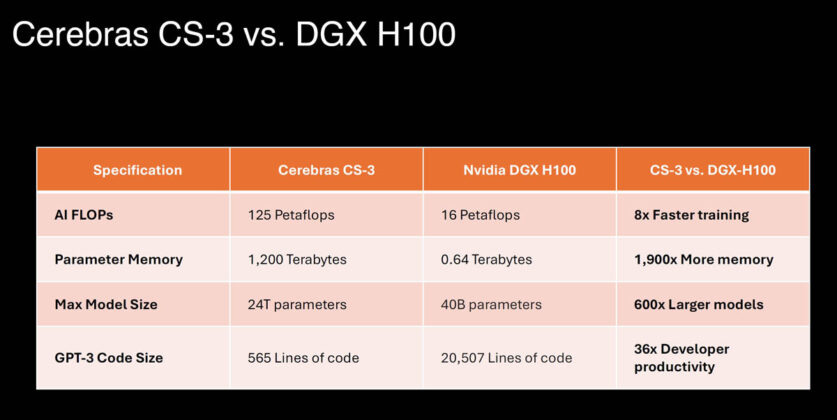
AMD has struggled to gain meaningful cloud market share against Nvidia’s CUDA ecosystem and InfiniBand networking. Helios represents AMD’s best attempt at a turnkey rack-scale solution that competes with Nvidia’s DGX SuperPOD and H100-based clusters. For Microsoft, the bet is that AMD’s open-source ROCm software stack has matured enough to support production AI workloads without requiring developers to rewrite their PyTorch or TensorFlow code.
Google Cloud and AWS have also explored AMD GPUs — Google offers the MI300X via its A3 instances, and AWS has Graviton-based instances for general compute — but neither has committed to a rack-scale AMD deployment at the level Microsoft is now signaling.
The announcement lacks pricing, availability dates, or performance benchmarks for the Azure deployment. Those details will determine whether Helios is a genuine alternative or a niche offering for cost-sensitive workloads.
Key Takeaways
- Microsoft will deploy AMD's Helios rack-scale AI accelerator at scale on Azure, powered by MI455X GPUs and Epyc Venice CPUs.
- The move diversifies Azure's AI silicon beyond Nvidia.
What to watch
Watch for Microsoft to release pricing and performance benchmarks for Helios on Azure in Q3 2026. The key metric is whether Helios achieves at least 80% of Nvidia H100 inference throughput per dollar on standard LLM benchmarks like Llama 3 70B and GPT-4-class models. If so, expect AWS and Google Cloud to accelerate AMD commitments.
[Updated 20 Jul via the_decoder]
A public GitHub profile suggests Anthropic is also testing AMD hardware, adding pressure on Nvidia's pricing power [per The Decoder]. This indicates that Microsoft's move may be part of a broader industry shift away from Nvidia dominance.