What Happened
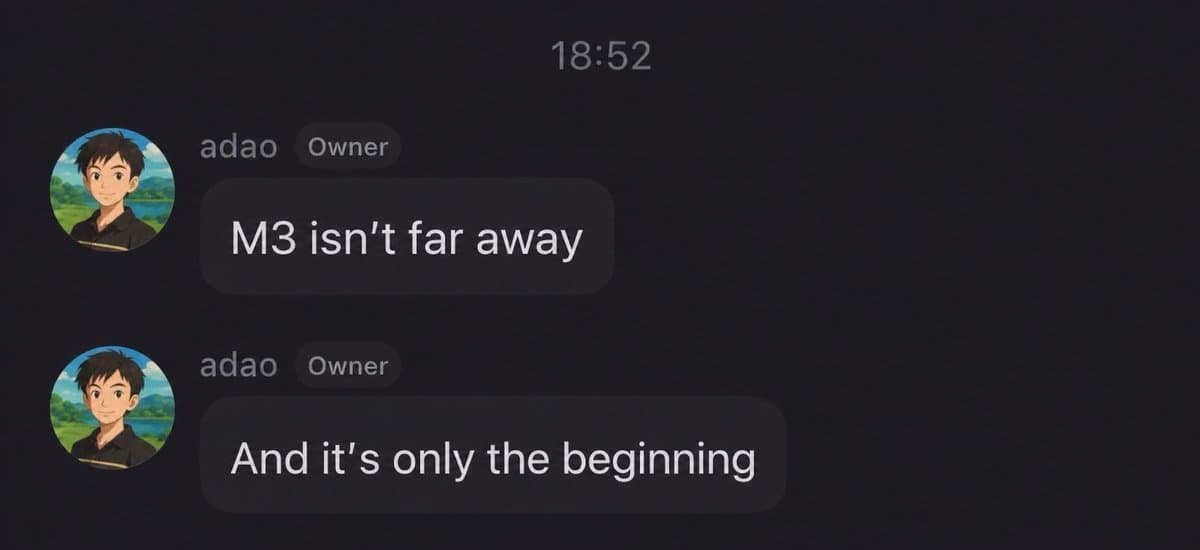
Minimax, the Chinese AI company behind the popular Hailuo AI video generation platform, has confirmed that their next-generation model, Minimax M3, will launch in May 2026. The announcement was made via a tweet from @intheworldofai, linking to a teaser page on the Minimax website.
While specific details about M3's capabilities remain under wraps, the launch timeline is confirmed: May 2026.
Context
Minimax has rapidly established itself as a major player in the AI video generation space. The company's trajectory:
- Minimax M1 (2024): The initial model that put Minimax on the map, offering competitive text-to-video generation
- Minimax M2 (Late 2025): A significant upgrade that brought improved resolution, better temporal consistency, and longer video generation capabilities. M2 was widely praised for its ability to generate coherent 10-second+ clips with realistic motion
Minimax's Hailuo AI platform has been one of the most popular consumer-facing video generation tools, competing directly with OpenAI's Sora, Runway Gen-3, and Kling.
What to Watch
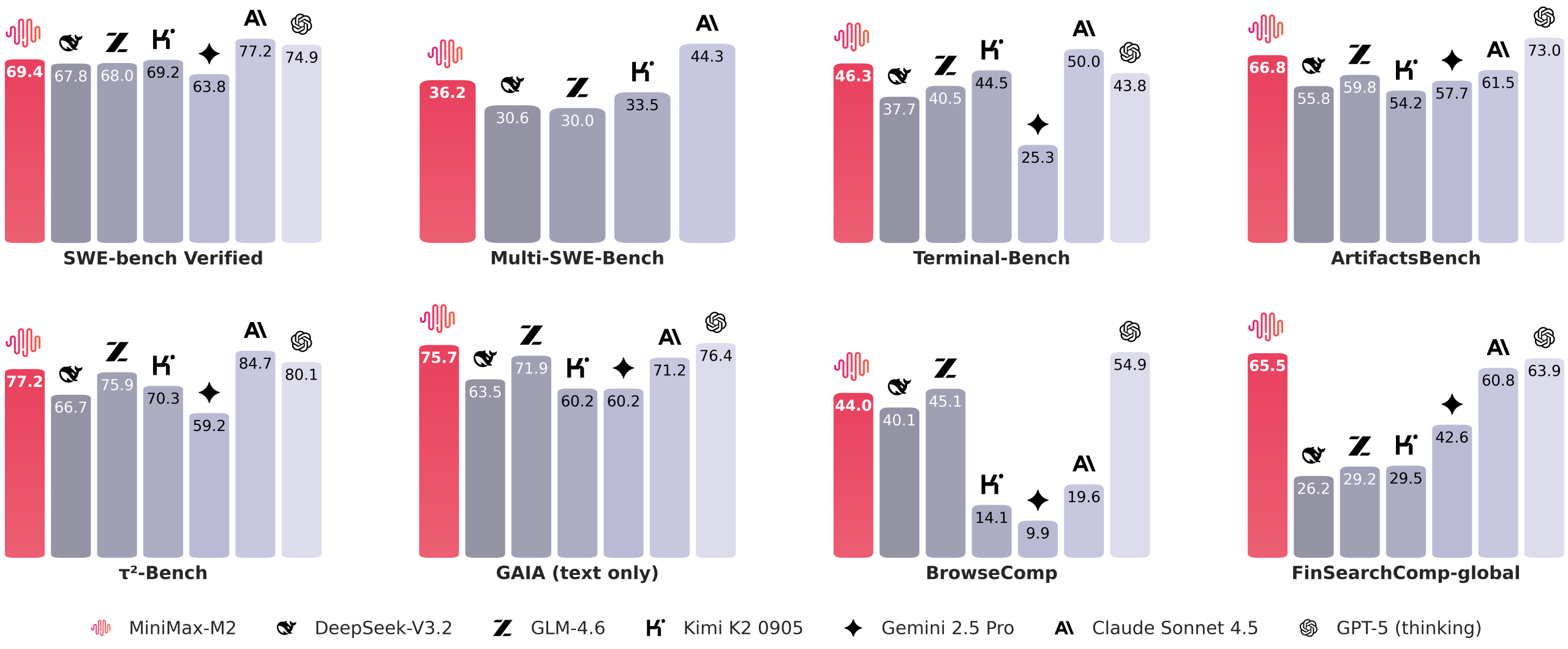
With M3 arriving in May 2026, several questions are top of mind for practitioners:
Capability leap: Will M3 focus on longer videos (30+ seconds), higher resolution (4K?), or improved controllability (camera angles, subject consistency)?
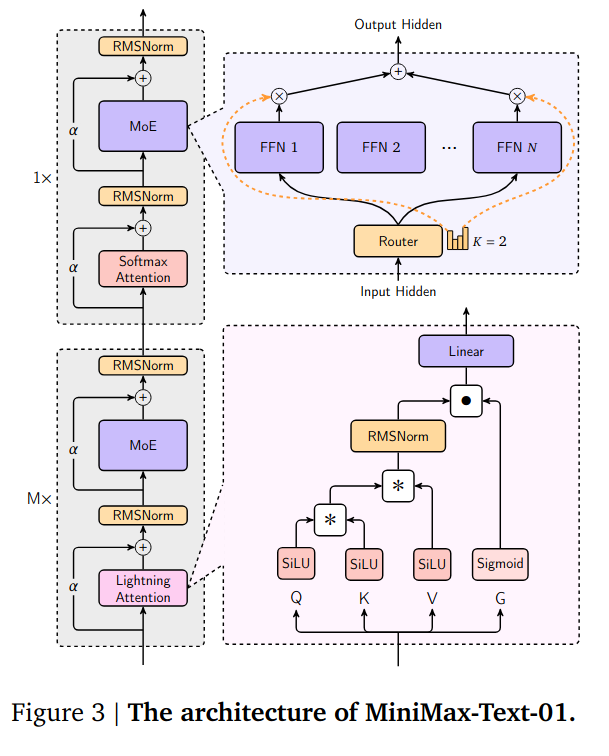
Model architecture: Minimax has been tight-lipped about their underlying architecture. M3 could reveal new diffusion transformer innovations or hybrid approaches.
Pricing and availability: M2 was available via Hailuo AI with a freemium model. M3's pricing strategy will signal how Minimax plans to compete with OpenAI and Runway.
Open source possibility: Unlike some competitors, Minimax has kept their models proprietary. A shift toward open-weight releases would be a major development.
gentic.news Analysis
Minimax's M3 announcement comes at a critical inflection point in the AI video generation market. The company has been on an impressive trajectory: M2 was widely considered the best publicly available video generation model for several months in late 2025, before OpenAI's Sora Turbo and Runway Gen-4 Alpha caught up.
The May 2026 timing is strategic. It positions M3 to potentially leapfrog the current generation of models, which have largely plateaued at 10-20 second clips with varying degrees of coherence. If Minimax can deliver 30-60 second clips with consistent character rendering and physics, they could re-establish their lead.
However, the competitive landscape has shifted dramatically since M2's launch. OpenAI has been iterating rapidly on Sora, Runway has released Gen-4 with better camera control, and Google's Veo 3 has shown impressive results. Minimax needs M3 to be a significant leap, not just an incremental improvement.
The Chinese AI ecosystem also plays a role. With export controls on advanced GPUs, Minimax has had to optimize heavily — M2 was notably efficient for its quality. M3's efficiency could be a key differentiator if it maintains quality while reducing compute requirements.
Frequently Asked Questions
When will Minimax M3 be released?
Minimax M3 is confirmed to launch in May 2026. An exact date has not been announced yet.
What improvements will M3 have over M2?
Specific capabilities have not been announced. Based on industry trends, expect improvements in video length, resolution, temporal consistency, and controllability.
Will Minimax M3 be available through Hailuo AI?
Yes, Minimax models are typically deployed through the Hailuo AI platform. M3 will almost certainly be accessible there, with potential API access for developers.
How does Minimax compare to OpenAI Sora and Runway?
Minimax M2 was competitive with Sora and Runway Gen-3 in late 2025. M3 aims to leapfrog current generation models from these competitors.