What Happened
A report from MIT, highlighted by AI researcher Rohan Paul, reveals that anonymized augmented reality (AR) data collected from millions of Pokémon Go players is being repurposed to train navigation systems for autonomous delivery robots. The core insight is that the game's persistent, player-verified AR layer—which precisely maps real-world objects, surfaces, and obstacles—provides a rich, scalable dataset for teaching robots to perceive and navigate complex urban landscapes with high accuracy.
Context
Pokémon Go, developed by Niantic, uses a combination of smartphone sensors, camera input, and player interactions to create and maintain a detailed, shared AR map of the physical world. Players constantly validate and correct this map by placing virtual creatures on specific real-world surfaces like benches, sidewalks, and building facades. This process generates a continuous stream of labeled environmental data.
MIT's report indicates that robotics researchers are leveraging this dataset to overcome a key limitation in robot navigation: the lack of large-scale, diverse, and semantically rich training data for real-world environments. Traditional methods often rely on simulated data or expensive, manually collected datasets. The Pokémon Go data stream offers a unique alternative—it is massive, globally distributed, and inherently tied to human-scale navigation and interaction points.
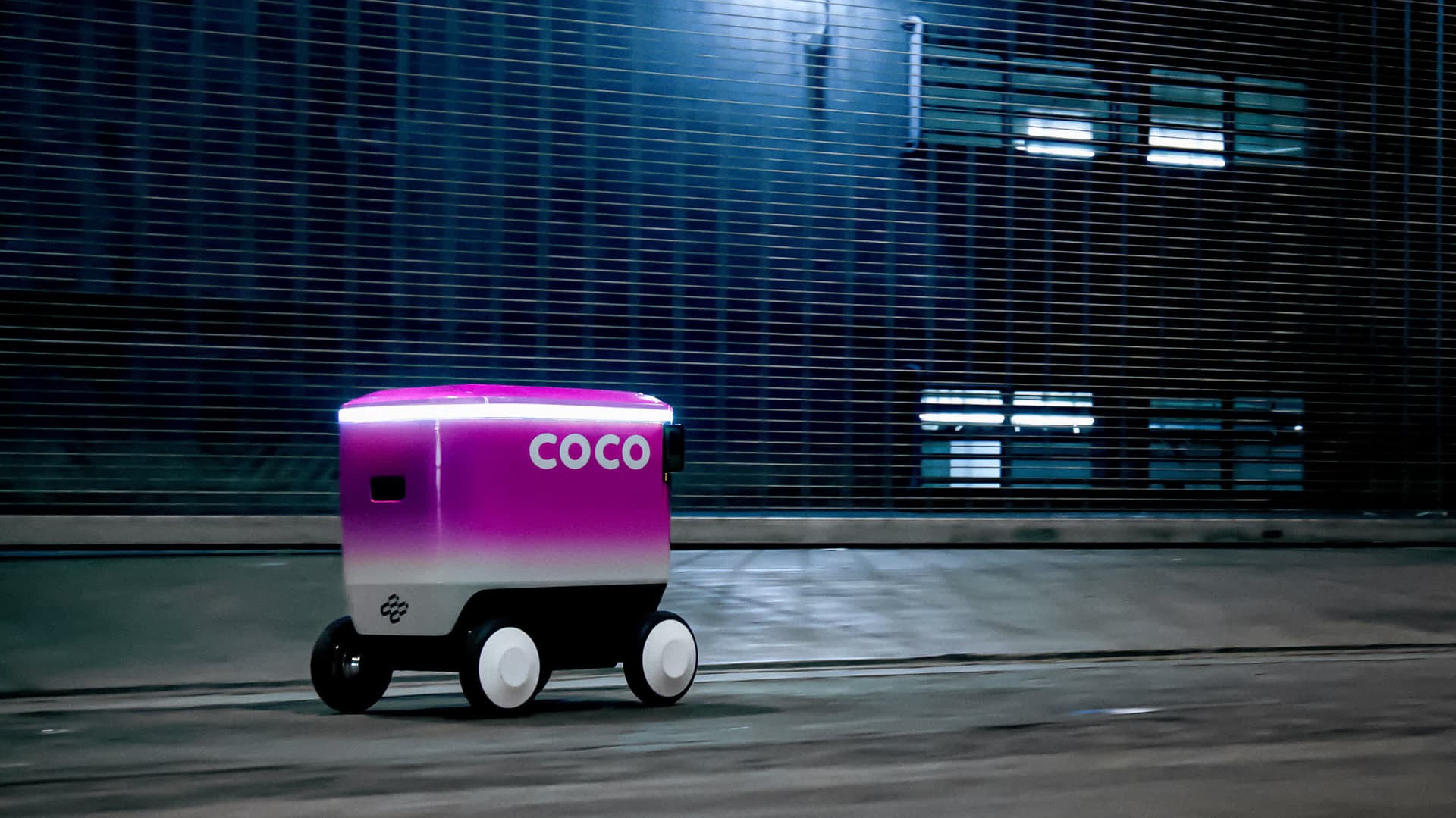
The application focuses on "last-mile" delivery robots, which must operate on sidewalks, navigate around street furniture, and identify safe drop-off locations. The AR data provides precise geometric and semantic context—for example, distinguishing a drivable sidewalk from a grassy curb, or identifying a stable, flat surface suitable for package placement—that is critical for safe and reliable autonomous operation.