Researchers at the Massachusetts Institute of Technology have unveiled what experts are calling "one of the wildest applications of agent harnesses" in artificial intelligence development. The breakthrough centers on creating proactive AI agents capable of identifying and addressing problems autonomously, without requiring explicit human instruction or prompting.
The Proactive Paradigm Shift
Traditional AI systems operate on a reactive model—they respond to specific queries, follow predetermined instructions, or react to environmental stimuli. The MIT team's work represents a fundamental shift toward anticipatory artificial intelligence that can recognize potential issues before they become critical problems.
According to the research shared by AI expert Omar Sar (@omarsar0), these agents demonstrate capabilities that go beyond current conversational AI or task-specific automation. They employ what researchers call "agent harnesses"—frameworks that allow multiple specialized AI components to work in concert toward broader objectives.
How Proactive Agents Operate
The technical architecture behind these systems involves several innovative components:
Environmental Awareness Modules: These components continuously monitor data streams and environmental factors, identifying patterns that might indicate emerging problems.
Goal Inference Systems: Rather than waiting for explicit instructions, these agents can infer organizational or user goals from context and historical data.
Autonomous Decision Frameworks: Once a potential issue is identified, the system can evaluate multiple solution paths and implement the most appropriate response.
Collaborative Agent Networks: Multiple specialized agents work together, with some monitoring, some analyzing, and others executing solutions.
Real-World Applications and Implications
The potential applications for proactive AI agents span numerous domains:
Healthcare: Systems could monitor patient data streams, identify early warning signs of medical deterioration, and initiate preventive measures or alert medical staff before critical thresholds are reached.
Cybersecurity: Instead of responding to breaches after they occur, proactive agents could identify vulnerability patterns and patch systems or implement countermeasures before exploitation occurs.
Infrastructure Management: Smart city systems could anticipate traffic congestion, power grid stress, or water system issues and implement adjustments to prevent problems rather than merely responding to them.
Business Operations: Supply chain systems could predict disruptions based on global events and reroute logistics before delays impact operations.
Technical Challenges and Ethical Considerations
Developing truly proactive AI presents significant technical hurdles. The systems must balance autonomy with appropriate constraints to prevent unintended consequences. Researchers are particularly focused on:
- Goal alignment: Ensuring agents' inferred objectives match human values and intentions
- Transparency: Making the decision-making process of proactive systems understandable to human operators
- Safety protocols: Implementing fail-safes that prevent harmful autonomous actions
- Accountability frameworks: Determining responsibility when proactive systems make consequential decisions
Ethical questions abound regarding the appropriate level of autonomy for such systems. Should an AI be able to initiate financial transactions, medical interventions, or security measures without explicit human approval? These questions become increasingly urgent as the technology matures.
The Evolution of Agent Harnesses
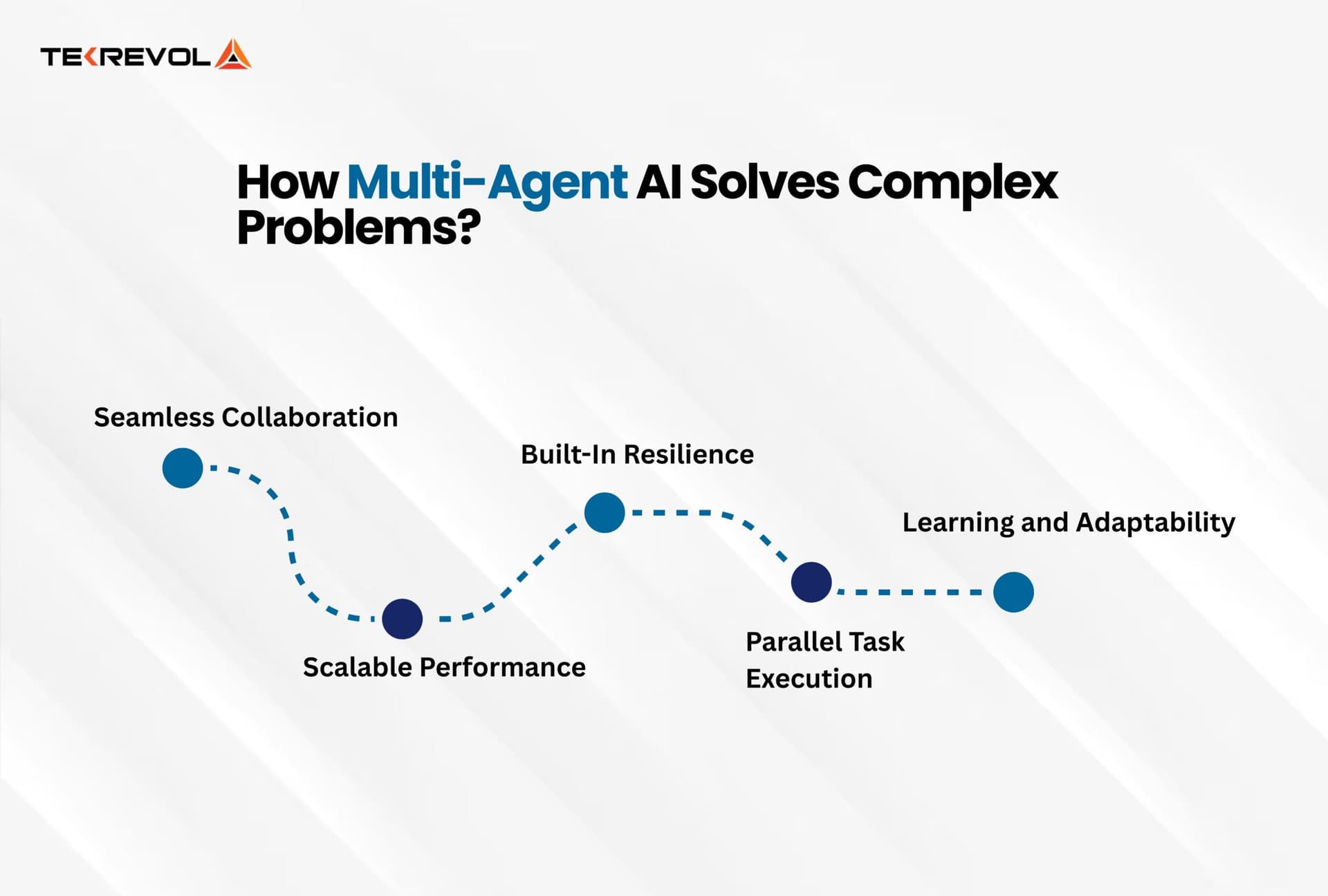
The MIT research builds upon growing interest in multi-agent AI systems. Unlike monolithic AI models, agent harnesses coordinate specialized components—some optimized for perception, others for reasoning, and still others for action. This modular approach allows for more sophisticated behavior than any single model could achieve.
Recent advances in large language models have provided the foundation for these systems, offering the reasoning capabilities necessary for goal inference and planning. However, the proactive dimension adds a temporal element—these systems don't just respond to the present state but anticipate future states and act to influence them.
Industry Response and Future Development
The AI research community has responded with both excitement and caution to MIT's developments. Proactive agents represent a natural evolution from today's conversational AI and automation tools, but they also introduce new categories of risk and opportunity.
Several technology companies are reportedly exploring similar approaches, though MIT's work appears to be among the most advanced in making proactive behavior reliable and predictable. The next development phase will likely focus on:
- Domain specialization: Creating proactive agents optimized for specific industries
- Human-AI collaboration: Designing interfaces that allow humans to supervise and guide proactive systems
- Regulatory frameworks: Developing standards for proactive AI deployment in sensitive domains
The Path Forward
As noted by Omar Sar in his commentary on the research, this development deserves close attention from both the technical community and society at large. The transition from reactive to proactive AI represents one of the most significant paradigm shifts in artificial intelligence since the advent of machine learning.
The coming years will likely see increasing deployment of proactive systems in controlled environments, with gradual expansion as safety and reliability are demonstrated. The ultimate test will be whether these systems can enhance human capabilities without introducing unacceptable risks or unintended consequences.
What makes this research particularly compelling is its potential to transform our relationship with technology from one of command-and-response to one of collaborative partnership, where AI systems don't just do what we tell them but help us achieve what we need—sometimes before we even recognize the need ourselves.
Source: Research commentary from Omar Sar (@omarsar0) discussing MIT's work on proactive AI agents and agent harnesses.