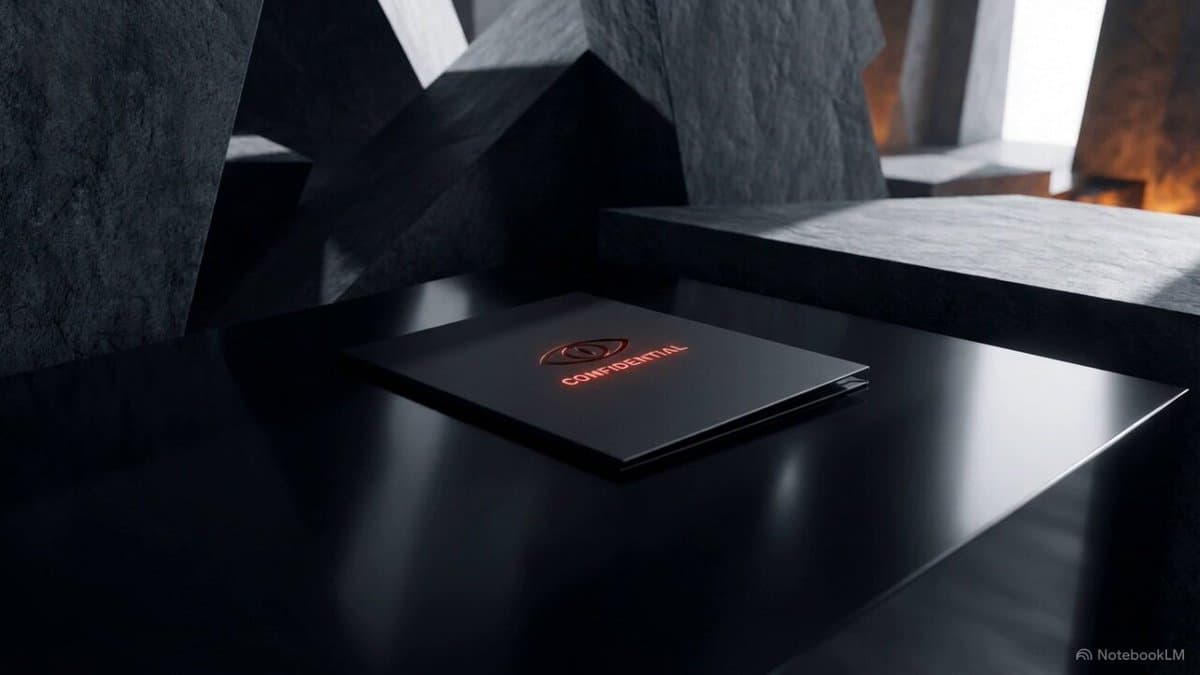
Google's AI-powered research assistant, NotebookLM, has taken a significant leap forward with the introduction of video generation capabilities. The new feature, demonstrated in a viral social media post by AI researcher Ethan Mollick, showcases how the tool can transform research materials into professional consultant-style video presentations with synthesized narration, visuals, and strategic analysis.
From Research Notes to Video Presentations
NotebookLM, launched in 2023 as Project Tailwind, was designed as an "AI-first notebook" that could synthesize information from uploaded documents, answer questions about the content, and generate summaries. The new video generation feature represents a substantial evolution of this concept. Users can now ask NotebookLM to create video presentations based on their research materials, complete with AI-generated narration, relevant visuals, and structured arguments.
In the demonstration shared by Mollick, the AI was tasked with creating "a deep research report and make a video where a consultant gives Sauron a strategy for actually winning the War of the Ring." The resulting presentation, analyzing J.R.R. Tolkien's Middle-earth lore, concluded with the seemingly obvious but strategically crucial recommendation: "All you need to do is sign off to put a simple door on your volcano."
How the Video Generation Works
The video generation capability builds upon NotebookLM's existing document analysis features. When users upload research materials—whether academic papers, business reports, historical documents, or in this case, literary texts—the AI can analyze the content, identify key themes and arguments, and structure this information into a coherent presentation format.
According to Google's documentation, the feature uses a combination of:
- Content analysis and structuring: The AI identifies main arguments, supporting evidence, and logical flow from source materials
- Script generation: Natural language processing creates a narrative script with appropriate tone and pacing
- Visual selection and creation: The system selects or generates relevant images, charts, and text overlays
- Voice synthesis: AI-generated narration delivers the content with professional pacing and intonation
The entire process happens within NotebookLM's interface, requiring no video editing skills from the user. The demonstration suggests the system can handle both serious academic topics and creative applications with equal facility.
Implications for Research and Communication
This development represents more than just a novelty feature. The ability to automatically generate professional presentations from research materials has significant implications for multiple fields:
For education, students could transform their research papers into presentation formats more easily, potentially improving communication skills and knowledge retention. Educators could create supplemental materials from course readings with minimal time investment.
In business settings, the technology could streamline report-to-presentation workflows, allowing analysts to quickly create stakeholder briefings from market research or financial documents. The "consultant" style demonstrated in the Sauron example suggests applications for strategic analysis and recommendation presentations.
For researchers and academics, the tool could help translate complex findings into more accessible formats for different audiences, from conference presentations to public outreach materials.
Creative Applications and Limitations
The viral Sauron example highlights the system's creative potential. By analyzing Tolkien's texts, NotebookLM identified a key strategic vulnerability in Sauron's plan—the unprotected entrance to Mount Doom where the One Ring could be destroyed—and presented this as a consultant would to a corporate client. This demonstrates the AI's ability to apply analytical frameworks to unconventional source materials.
However, the feature also raises questions about accuracy and context. While the Sauron example is intentionally humorous, serious applications would require careful verification that the AI hasn't misinterpreted or oversimplified complex source materials. The presentation format necessarily condenses information, potentially losing nuance.
The Future of AI-Assisted Communication
NotebookLM's video generation represents another step toward AI systems that don't just process information but actively repackage it for human consumption. As these tools become more sophisticated, they may fundamentally change how we create and consume explanatory content.
The technology also raises interesting questions about authorship and presentation style. The "consultant" tone in the demonstration suggests the AI can adopt specific professional personas, potentially allowing users to select different presentation styles (academic, business, educational, etc.) based on their needs.
As with all AI advancements, ethical considerations will be important. The ease of creating persuasive presentations from source materials could potentially be misused to create misleading content if source materials are selectively chosen or misinterpreted. Transparency about sources and AI involvement will likely become increasingly important.
Conclusion
NotebookLM's new video generation feature, while demonstrated through a humorous Tolkien-themed example, represents a significant advancement in AI-assisted research and communication. By bridging the gap between information analysis and presentation creation, the tool has potential applications across education, business, and research fields.
The underlying technology—transforming static documents into dynamic, narrated presentations—points toward a future where AI doesn't just help us find information but actively helps us communicate it effectively to others. As these systems continue to develop, they may reshape not just how we conduct research, but how we share what we've learned.
Source: Demonstration shared by Ethan Mollick on social media platform X, showcasing Google NotebookLM's video generation capabilities.