Nvidia Corporation has once again demonstrated its commanding position in the artificial intelligence revolution, reporting staggering quarterly revenue of $68.1 billion for the period ending January 25—a 73% increase from the previous year that surpassed analyst expectations of $65.8 billion. The Santa Clara-based chip giant continues to be the primary beneficiary of the global generative AI boom, with data center processors driving unprecedented financial performance.
The China Conundrum: Zero H200 Revenue
Despite these record-breaking numbers, Nvidia faces a significant geopolitical challenge that clouds its future growth trajectory. The company revealed during its earnings announcement that it has yet to generate any revenue from its H200 chips in China and cannot predict whether sales will be permitted in the country moving forward. This uncertainty stems from ongoing U.S. export restrictions designed to limit China's access to advanced computing technology.
The H200 represents Nvidia's second-most powerful GPU architecture, specifically designed for AI training and inference workloads. Its absence from the Chinese market creates a substantial gap in Nvidia's global strategy, particularly given China's status as the world's second-largest economy and a major player in AI development.
Data Center Dominance Drives Record Performance
Nvidia's financial success remains overwhelmingly tied to its data center segment, which continues to experience explosive growth as enterprises and cloud providers worldwide race to build AI infrastructure. The company's latest earnings demonstrate that demand for AI accelerators shows no signs of slowing, with major technology companies investing billions in Nvidia hardware to power their AI initiatives.
This performance comes amid a broader industry context where Nvidia has recently announced several technological advancements, including:
- The Dynamic Memory Sparsification technique that compresses large language model working memory by 8× while improving reasoning capabilities
- Continued development of next-generation architectures including Blackwell and Rubin
- Expansion of its AI ecosystem through initiatives like Nvidia Inception and DreamDojo
Geopolitical Tensions Reshape Global AI Landscape
The U.S.-China tech war has created a complex operating environment for semiconductor companies, with Nvidia caught squarely in the middle. While the company has developed modified versions of its chips for the Chinese market to comply with export controls, the H200 represents a more advanced technology that remains subject to stricter limitations.
This situation creates several immediate challenges:
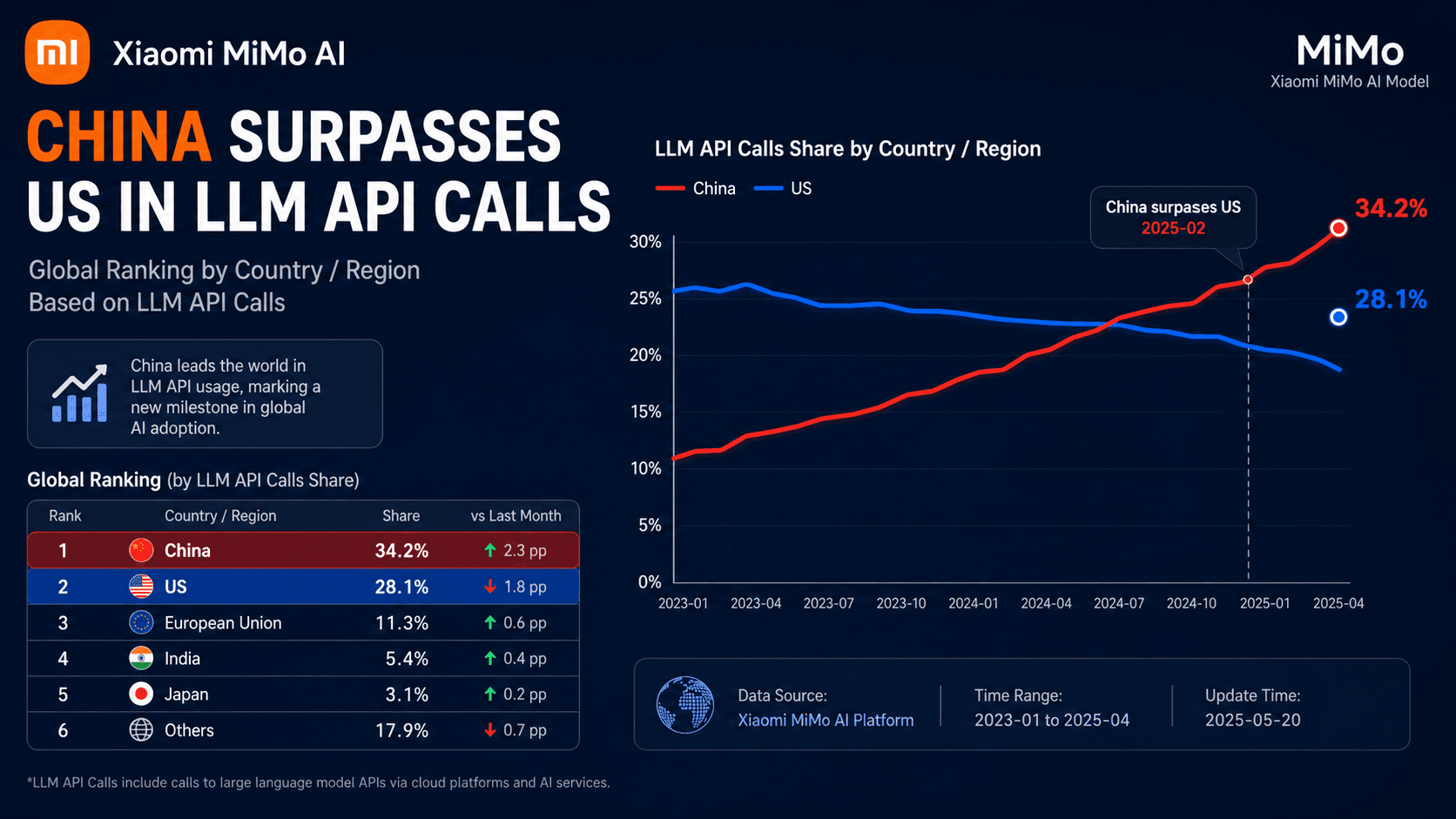
1. Market Fragmentation: Chinese companies are accelerating development of domestic alternatives, potentially creating a parallel AI hardware ecosystem that could challenge Nvidia's long-term dominance in the region.
2. Revenue Diversification Pressure: While current earnings remain strong, Nvidia faces increasing pressure to reduce its dependence on any single market, including China.
3. Innovation Constraints: Export restrictions may eventually impact Nvidia's R&D priorities and product development timelines as the company navigates complex compliance requirements across different markets.
Strategic Implications for the AI Industry
Nvidia's predicament reflects broader tensions in the global technology sector, where commercial interests increasingly collide with national security concerns. The company's experience illustrates how geopolitical factors are becoming as important as technological innovation in shaping the AI competitive landscape.
Several key developments will be worth monitoring:
- Chinese Domestic Alternatives: Companies like Huawei and startups focused on AI chips are likely to benefit from Nvidia's constrained access to the Chinese market.
- Supply Chain Realignment: The semiconductor industry may see further fragmentation as companies establish separate production and distribution channels for different geopolitical blocs.
- Regulatory Evolution: Both U.S. and Chinese policies regarding AI hardware exports will continue to evolve, creating ongoing uncertainty for multinational technology firms.
Looking Ahead: Nvidia's Balancing Act
As Nvidia celebrates another quarter of record earnings, company leadership faces the delicate task of maintaining technological leadership while navigating increasingly complex geopolitical waters. CEO Jensen Huang, who co-founded the company in 1993, must balance shareholder expectations for continued growth with the practical realities of operating in a divided global market.
The coming quarters will reveal whether Nvidia can sustain its remarkable financial performance while addressing the China challenge. The company's ability to innovate within regulatory constraints—potentially through specialized products for different markets or through software and ecosystem development—will be critical to its long-term success.
Source: South China Morning Press, "China freeze on H200 chip sales clouds Nvidia's record earnings" (2026)