What Changed — OpenAI's Strategic Pivot
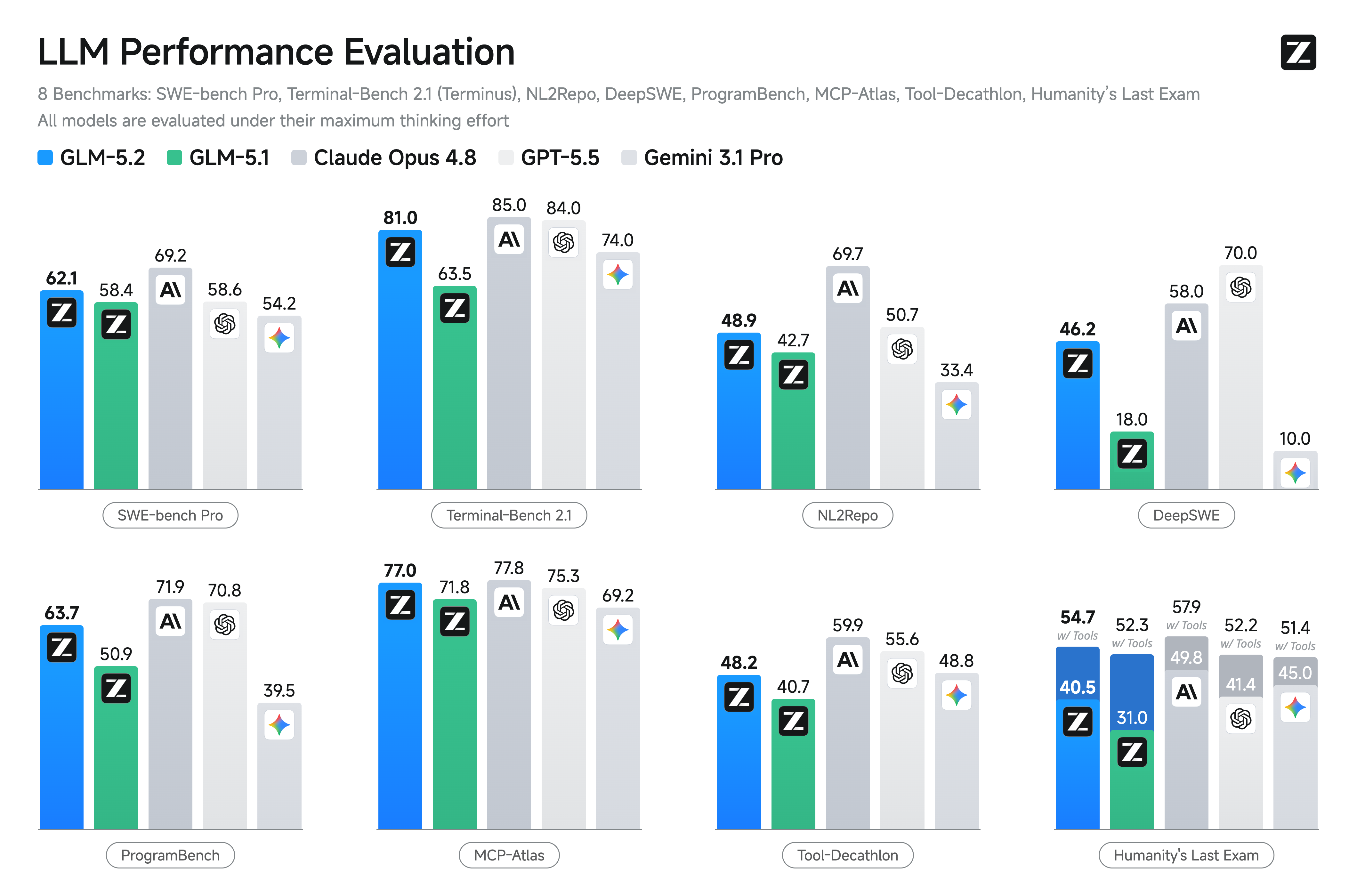
OpenAI is upgrading its Codex model to focus on automating developer workflows, a move that positions it as a direct competitor to Anthropic's Claude Code. This follows OpenAI's recent launch of more affordable GPT-5.4 variants on March 26, 2026, and aligns with their broader target to deploy an 'AI intern' by September 2028. The upgrade signals a strategic shift from Codex primarily powering GitHub Copilot's code completion to becoming an agentic tool that can execute multi-step tasks—the exact territory where Claude Code has established dominance since its 2025 release.
What It Means For Claude Code Users
For developers who rely on Claude Code daily, this competition is ultimately beneficial. It validates the agentic, workflow-automation approach that Claude Code pioneered. However, it also means you should expect accelerated feature development from both sides. Specifically, watch for advancements in:
- Multi-step task execution: Both tools will compete on how seamlessly they can handle complex commands like "refactor this module and update all tests."
- Tool integration: Claude Code's strength with MCP (Model Context Protocol) servers and the recent Conductor plugin integration for workflow automation will face pressure from OpenAI's ecosystem.
- Token efficiency: With Claude Code recently announcing a CLI tool that saves 37% more tokens than MCP servers, expect OpenAI to respond with its own efficiency improvements.
How To Leverage This Competitive Momentum
While the tools compete, you can build workflows that remain portable. Here's how:
- Document Your Automation Patterns in
CLAUDE.md: Whether you're using Claude Code or eventually experiment with Codex, well-documented patterns in your project'sCLAUDE.mdfile make your workflows tool-agnostic. Describe your common refactoring, testing, and deployment steps clearly. - Focus on MCP Server Skills: Claude Code's deep integration with MCP servers is a current differentiator. Invest time in mastering servers for your stack (e.g., Docker, AWS, PostgreSQL). The skills you build in orchestrating tools via Claude Code are transferable concepts.
- Benchmark Complex Tasks: The next time Claude Code successfully automates a multi-hour task—like the case study where it wrote 70% of a production monitoring tool—note the exact prompt and steps. This creates a benchmark you can use to evaluate any competing tool.
This competitive pressure isn't about switching tools; it's about both platforms being forced to innovate faster on the features you use every day.