What Is OpenClaw?
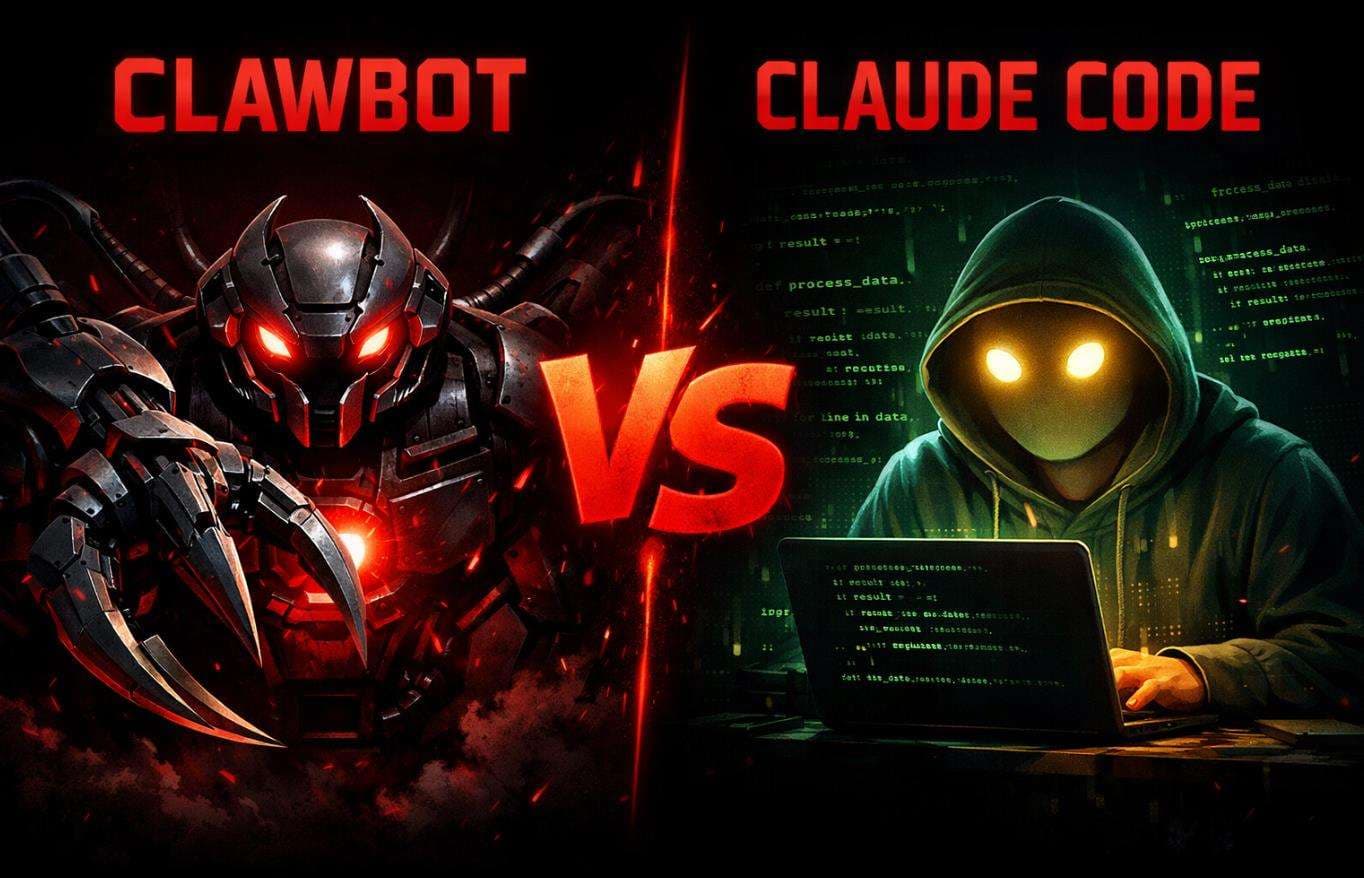
OpenClaw is a free and open-source autonomous AI agent developed by Peter Steinberger. It's designed to execute tasks via large language models using a message-passing architecture. Unlike Claude Code, which is a proprietary product from Anthropic, OpenClaw's codebase is publicly available. This means you can inspect, modify, and extend it to fit your specific needs.
How It Compares to Claude Code
Claude Code is a polished, integrated command-line tool that delegates software engineering tasks directly to Claude models. It's built on Anthropic's infrastructure and uses their proprietary models (like Claude Opus 4.6 or Claude Sonnet 4.6). Claude Code excels at understanding complex codebases, making intelligent edits, and following established workflows through tools like CLAUDE.md.
OpenClaw, being open-source, offers different advantages:
- Model Flexibility: You can configure it to use various LLMs, not just Claude
- Customization: You can modify the agent's behavior, add new tools, or integrate with different systems
- Transparency: You can see exactly how the agent makes decisions and processes tasks
- Cost Control: Since it's free software, you only pay for the LLM API calls you use
When You Might Use OpenClaw Instead
Consider OpenClaw when:
- You need multi-model support: If your workflow benefits from switching between Claude, GPT, or open-source models
- You require deep customization: When you need to modify the agent's decision-making logic or add specialized tools
- You're building agentic systems: OpenClaw's architecture might be easier to integrate into larger autonomous systems
- Budget is primary concern: The software itself is free, though you'll still pay for API calls
The Claude Code Advantage
Claude Code remains superior for:
- Seamless integration: Direct access to Anthropic's latest models without configuration
- Established workflows: Proven patterns like using CLAUDE.md for project context
- Tool ecosystem: Built-in support for MCP servers and GitHub integration
- Reliability: Anthropic's infrastructure and model fine-tuning for coding tasks
This follows the broader trend of AI agents crossing a critical reliability threshold in 2026, fundamentally transforming programming capabilities. The competition between proprietary tools like Claude Code and open-source alternatives like OpenClaw mirrors the broader industry pattern we've seen with GitHub Copilot and other coding assistants.
Try It Now
If you want to experiment with OpenClaw:
git clone https://github.com/steinbp/openclaw
cd openclaw
# Follow setup instructions in README
# Configure your preferred LLM API keys
For most Claude Code users, the proprietary tool will remain the primary workflow. But having OpenClaw in your toolkit gives you options for specialized scenarios where model flexibility or customization matters more than polished integration.
gentic.news Analysis
This development aligns with the broader trend of AI agent proliferation we've been tracking. Claude Code has appeared in 162 articles this week alone (total: 393), indicating intense interest in agentic coding tools. The emergence of open-source alternatives like OpenClaw creates a bifurcated market: polished, integrated products versus flexible, customizable platforms.
The relationship data shows Claude Code's deep integration with the Anthropic ecosystem (using Claude models, CLAUDE.md, and MCP servers), while OpenClaw represents a more agnostic approach. This mirrors the competition pattern we've seen between proprietary and open-source tools across the tech industry.
For Claude Code users, the key takeaway isn't to switch tools, but to understand when each approach makes sense. Use Claude Code for your daily development workflow where reliability and integration matter most. Consider OpenClaw for experimental projects, multi-model testing, or when you need to build custom agentic systems that extend beyond Claude Code's current capabilities.
This follows our previous coverage of how AI agents are transforming programming capabilities, particularly our article on how Claude Code was used to build a complete Flutter application in 48 hours. The availability of open-source alternatives like OpenClaw will likely push proprietary tools like Claude Code to improve faster, benefiting all developers in the ecosystem.