What Happened
OpenHome has launched a smart speaker development kit designed to run AI agents entirely on local hardware, positioning it as an open-source alternative to cloud-based voice assistants like Amazon Alexa. The platform processes all voice data locally, eliminating cloud dependencies and vendor lock-in.
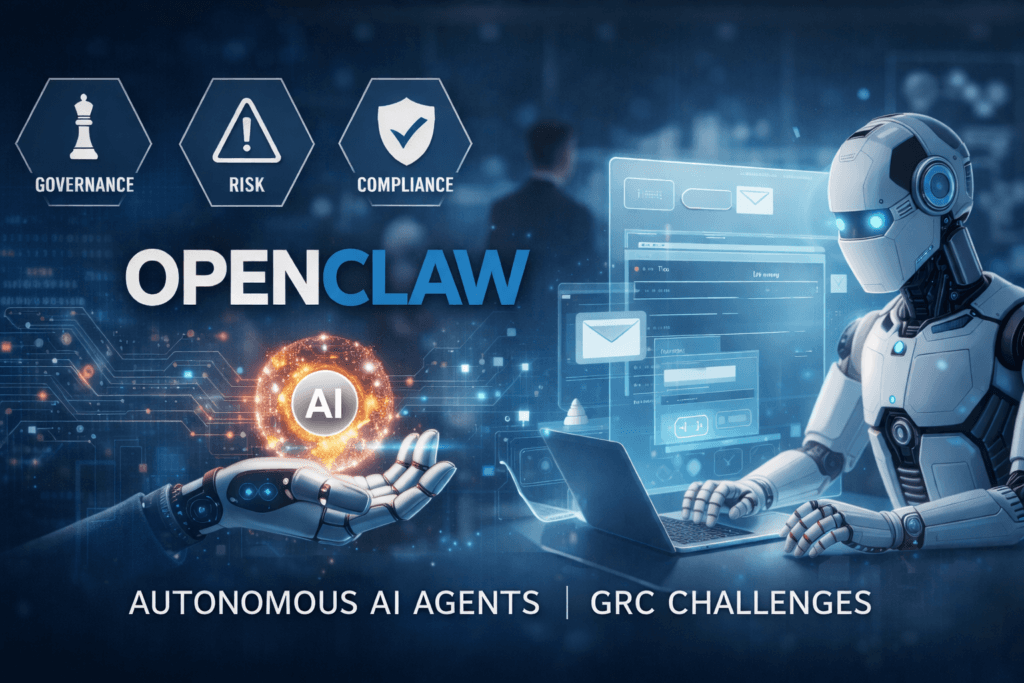
The core offering is a hardware and software stack that enables developers to build and deploy what OpenHome calls "OpenClaw agents"—custom LLM workflows and autonomous home assistants that run natively on the device. The system operates on a continuous listening model with a background daemon that remains active to catch contextual cues or unprompted requests, moving beyond the traditional question-and-answer loop of older assistants.
Technical Approach
According to the announcement, the platform's architecture is built around two key components:
Local-Only Processing: All voice recognition, natural language understanding, and agent execution happen on the device. No audio data is sent to external servers. The announcement explicitly contrasts this with standard assistants that "send private audio to massive cloud servers just to set a simple timer."
Continuous Agent Model: The system introduces a background daemon that starts automatically with a session and remains active. This allows the agent to act on contextual information without a direct wake word or command. The provided example is an agent adding a grocery item to a list after hearing it mentioned in a conversation.
Developer & Privacy Proposition
The primary value proposition for developers is control: "You own the hardware. You own the software. Your agent finally has a body." The kit is presented as a way to "give agents a place in the real world" without being tied to a specific cloud ecosystem or API.
For end-users, the central claim is privacy: "Your data stays inside your house." By keeping all processing local, the platform asserts that external companies never have access to voice data.
What Wasn't Said
The announcement, made via a social media post, does not include several key technical and commercial details:
- Specific hardware specifications (processor, RAM, microphone array)
- Details about the underlying OS or SDK
- Performance benchmarks (latency, accuracy compared to cloud models)
- Pricing and availability of the dev kit
- Supported LLMs or model optimization techniques for on-device execution
- Details on the "OpenClaw" agent framework or how workflows are defined