A viral observation from developer and AI builder George Pu has sparked a pointed debate within the technical community about the emergent, often unintended, uses of personal AI agents. The tweet, which has garnered significant engagement, describes a pattern of behavior where tools like OpenClaw—an open-source AI agent framework—are being used not for grand automation, but for deeply personal, and arguably isolating, tasks.
What Happened: The Tweet That Captured a Trend
George Pu’s tweet outlines three specific, anecdotal use cases that moved beyond typical productivity hype:
- Booking a Stroller Repair: A user employed an OpenClaw agent to handle the entire process of scheduling a repair, a task involving phone calls, calendar coordination, and service descriptions.
- Ranking Friends by 'Engagement Score': Another user configured an agent to analyze and rank their friends based on a quantified metric of engagement, turning social relationships into a data optimization problem.
- Persistent Agent Execution: A third user was seen carrying an open laptop to their car to ensure their locally running AI agents remained active, indicating a desire for continuous, ambient assistance.
Pu’s central critique is succinct: "This isn't productivity. This is loneliness with a tech stack." He argues the core promise of AI should be to "buy you more time with people. Not replace the people."
Context: The Rise of OpenClaw and Personal AI Agents
The tweet specifically names OpenClaw, positioning it as a catalyst for this behavior. OpenClaw is an open-source project designed to create semi-autonomous AI agents that can perform multi-step tasks across digital interfaces (web browsers, applications, APIs). Its accessibility means developers and technically-inclined users can deploy personalized agents for virtually any repetitive computer-based task.
This trend sits at the intersection of several larger movements in AI:
- The Agentification of Everything: Following the hype cycles around projects like Devin (Cognition AI) and OpenAI's GPTs, there's a rush to build AI that can do things, not just answer things.
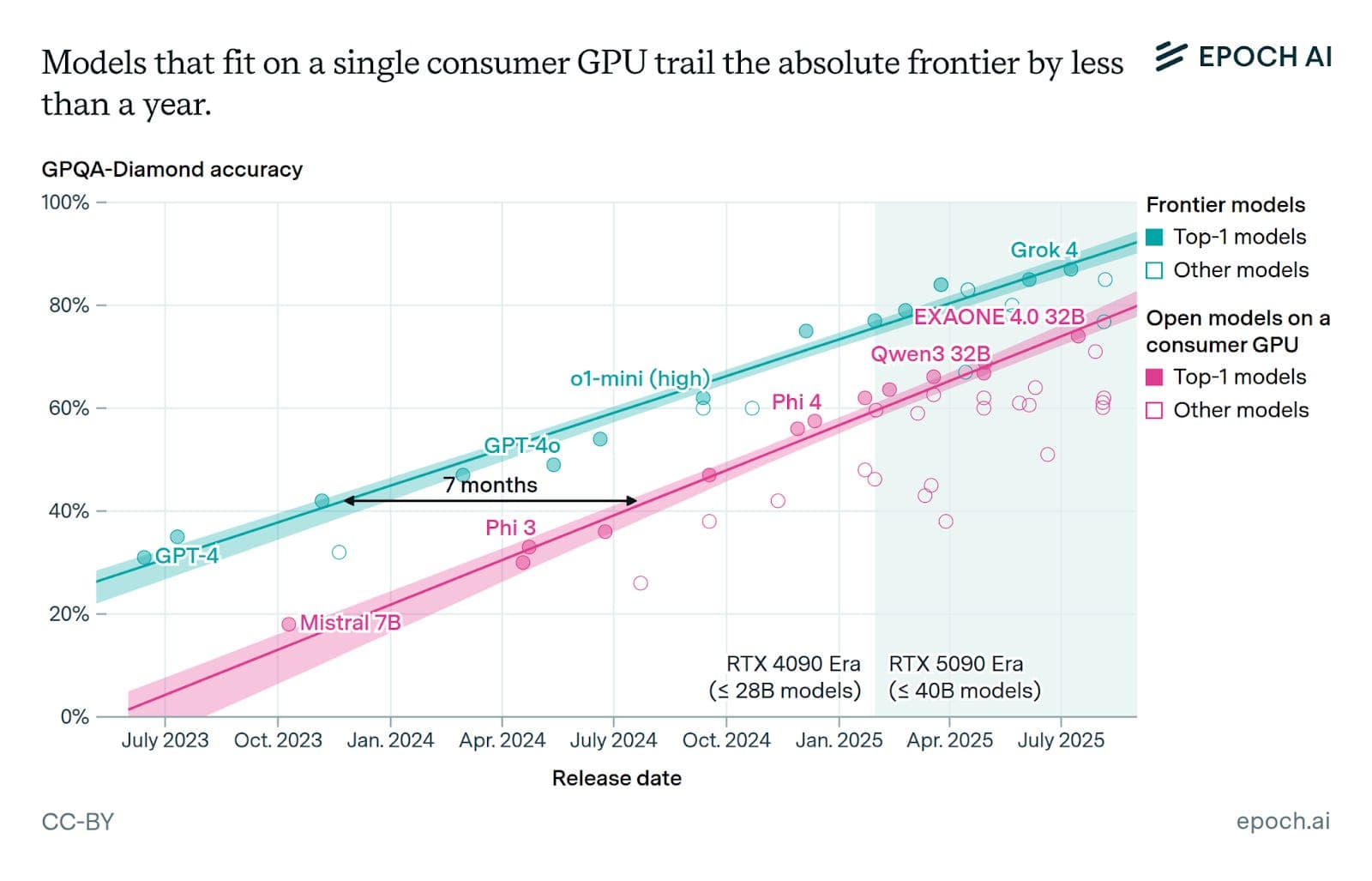
- Local & Open-Source AI: With powerful small language models (SLMs) like Llama 3.1 8B and Qwen2.5-Coder running efficiently on consumer hardware, users are moving sensitive or personalized automation off of cloud APIs and onto their own machines, enabling the "always-on" agent scenario described.
- The Automation of Emotional Labor: The "friend ranking" example is a stark manifestation of a broader trend: using AI to manage, quantify, and navigate social interactions, a domain previously reserved for human intuition.
The Core Debate: Tool vs. Crutch
The reaction to Pu's tweet has been divided, highlighting a fundamental philosophical split among AI practitioners.
The Pro-Automation View: Proponents argue that any task that is boring, repetitive, or anxiety-inducing (like making repair calls) is a valid target for automation. Freeing cognitive load for more meaningful work or leisure is the ultimate goal of technology. The "friend ranking" agent, while creepy to some, could be framed as a data-driven approach to prioritizing limited social time.
The Loneliness Critique: Pu's perspective warns of a deeper pitfall. If AI begins to intermediate not just between us and corporations (customer service) but between us and our community (friends, local repair shops), it could erode the small, friction-filled interactions that build social fabric. The image of someone carrying a laptop to keep an agent alive paints a picture of dependency, where the human serves the AI's operational continuity, not the other way around.
gentic.news Analysis
This tweet is less a news story about a specific product update and more a cultural signal flare from within the builder community. It captures the moment where a powerful, general-purpose technology (open-source AI agents) collides with the messy reality of human life. The use of OpenClaw is particularly telling; as we covered in our analysis of the OpenAI o1 model family, there's a massive gap between the capabilities of frontier reasoning models and the practical, reliable tooling needed to deploy them. OpenClaw represents the community's attempt to bridge that gap, but Pu's observations show the bridge is being used in unexpected ways.
This aligns with a recurring theme in our coverage of the AI agent landscape, such as our piece on Cognition AI's Devin. While the hype focuses on agents that can autonomously code or conduct research, the ground truth is that the first widespread adopters are using them for personal life admin and social coping mechanisms. It also contradicts the purely utopian narrative pushed by some investors, suggesting that the path to AGI might be paved with agents booking dentist appointments and analyzing group chat dynamics.
Furthermore, this connects to the privacy and local AI trend we've tracked following Apple's on-device AI strategy announcement. The ability to run these agents locally (hence the laptop carried to the car) removes the friction of cost and data privacy, enabling more intimate and persistent use cases—for better or worse. The key question for developers now is one of product philosophy: should agent frameworks be purely capability-focused, or should they consider the anthropological impact of what they are enabling?
Frequently Asked Questions
What is OpenClaw?
OpenClaw is an open-source framework for building and deploying AI agents. It allows developers to create software "agents" that can understand natural language instructions and perform complex, multi-step tasks by controlling a computer (e.g., navigating a web browser, filling out forms, making API calls). Its accessibility has made it a popular tool for personal automation projects.
Is using AI to rank friends unethical?
This is a subjective ethical question. Technically, it's analyzing available data (likely message frequency, response times, etc.). However, it reduces nuanced human relationships to a quantifiable score, which many argue is reductive and can negatively impact one's perception of friendships. It exemplifies using AI to manage emotional labor, a controversial application that prioritizes efficiency over empathy.
What's the difference between AI for productivity and AI that causes loneliness?
The line is blurry and user-dependent. Productivity-focused AI typically automates tasks that are instrumental to a goal (e.g., summarizing work emails, sorting expenses). The "loneliness" critique arises when AI begins to automate tasks that involve direct human connection or serve as proxies for social interaction (e.g., chatting with an AI companion instead of a friend, using an agent to avoid all customer service calls). The risk is the erosion of small, connective social experiences.
Can I run AI agents like this locally on my laptop?
Yes, this is increasingly feasible. With efficient small language models (SLMs) and frameworks like OpenClaw, you can run personal AI agents on a modern laptop without needing cloud API calls. This enables greater privacy and the "always-on" persistent agent behavior described in the tweet, as the agent runs on your own hardware.