A significant portion of the AI infrastructure buildout is falling behind schedule. According to a report by geospatial analytics firm SynMax, covered by the Financial Times and Tom's Hardware, at least 40% of AI data centers slated for completion in 2026 are at risk of significant delays, with many projects likely to be pushed back by more than three months. This assessment, derived from satellite imagery and AI analysis, directly contradicts public statements from the tech companies involved, who insist their ambitious construction timelines are on track.
The bottleneck highlights a growing disconnect between the breakneck demand for AI compute and the physical realities of constructing the massive, power-hungry facilities required to supply it. While AI models grow more capable, the "AI token factories"—as NVIDIA's blog describes the modern data center—are struggling to get built.
What the Satellites See
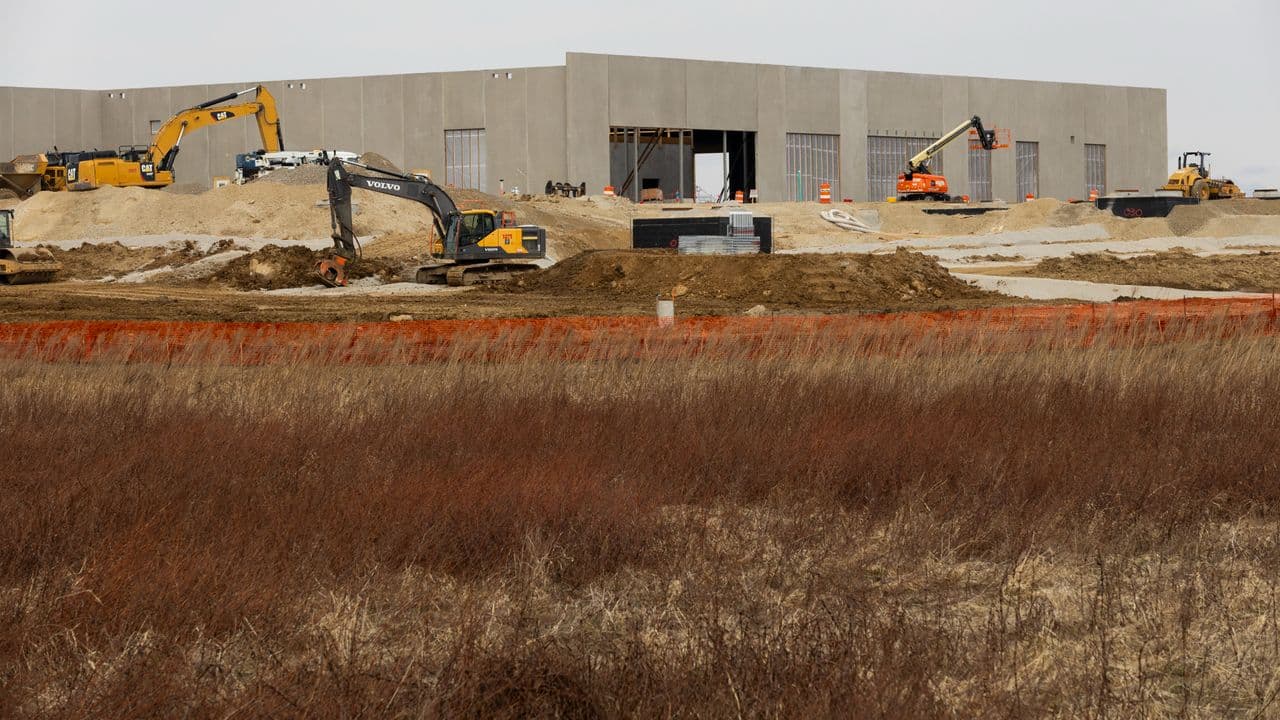
SynMax, a company specializing in maritime and energy sector analytics, applied its geospatial intelligence platform to monitor AI data center construction. The methodology involves analyzing high-resolution satellite imagery to track progress against key milestones like land clearing, foundation pouring, and structural work. This data is then cross-referenced with public permits, regulatory filings, and industry intelligence.
The imagery tells a story of slower-than-expected progress:
- Shackelford County, Texas (Oracle/OpenAI): A planned 1,200-acre, 10-building campus with a 1.4-GW capacity is targeting a late-2026 delivery. Imagery from early April 2026 shows only six plots cleared, with just one showing active development. SynMax estimates one building might be ready by year-end, but a more realistic timeline pushes delivery to 2027.
- Milam County, Texas (OpenAI/SB Energy): A 1.2-GW site shows only one building under construction from a satellite view, indicating slow progress.
The Official Denials
The companies named in the report have uniformly denied any schedule slippage.
- OpenAI stated: "Our historic data center build-out is on schedule and we will accelerate from here... we are delivering rapid progress."
- Oracle said: "Each data center we’re developing for OpenAI is moving forward on time, and construction is proceeding according to plan."
- SB Energy noted the Milam County site is "on schedule and on pace to be one of the fastest data centers of its kind ever delivered."
The Ground Truth: Labor and Material Shortages
Despite the official statements, on-the-ground reports point to systemic constraints. Construction executives have reported a critical shortage of specialist tradespeople—particularly electricians and pipe fitters—since late 2025. These skilled labor gaps, combined with broader supply chain bottlenecks for specialized components and fierce competition for utility power allocations, are creating formidable headwinds for meeting aggressive construction deadlines.
This situation isn't isolated to OpenAI's projects. The report suggests similar delays are affecting other major tech company data center projects, though specific names beyond Microsoft were not detailed in the provided excerpt.
Key Numbers at a Glance
Projects at Risk At least 40% of AI data centers due in 2026 SynMax Analysis Typical Delay More than 3 months SynMax/FT Report Shackelford Co. Capacity 1.4 Gigawatts (GW) Project Planning Milam Co. Capacity 1.2 GW Project Planning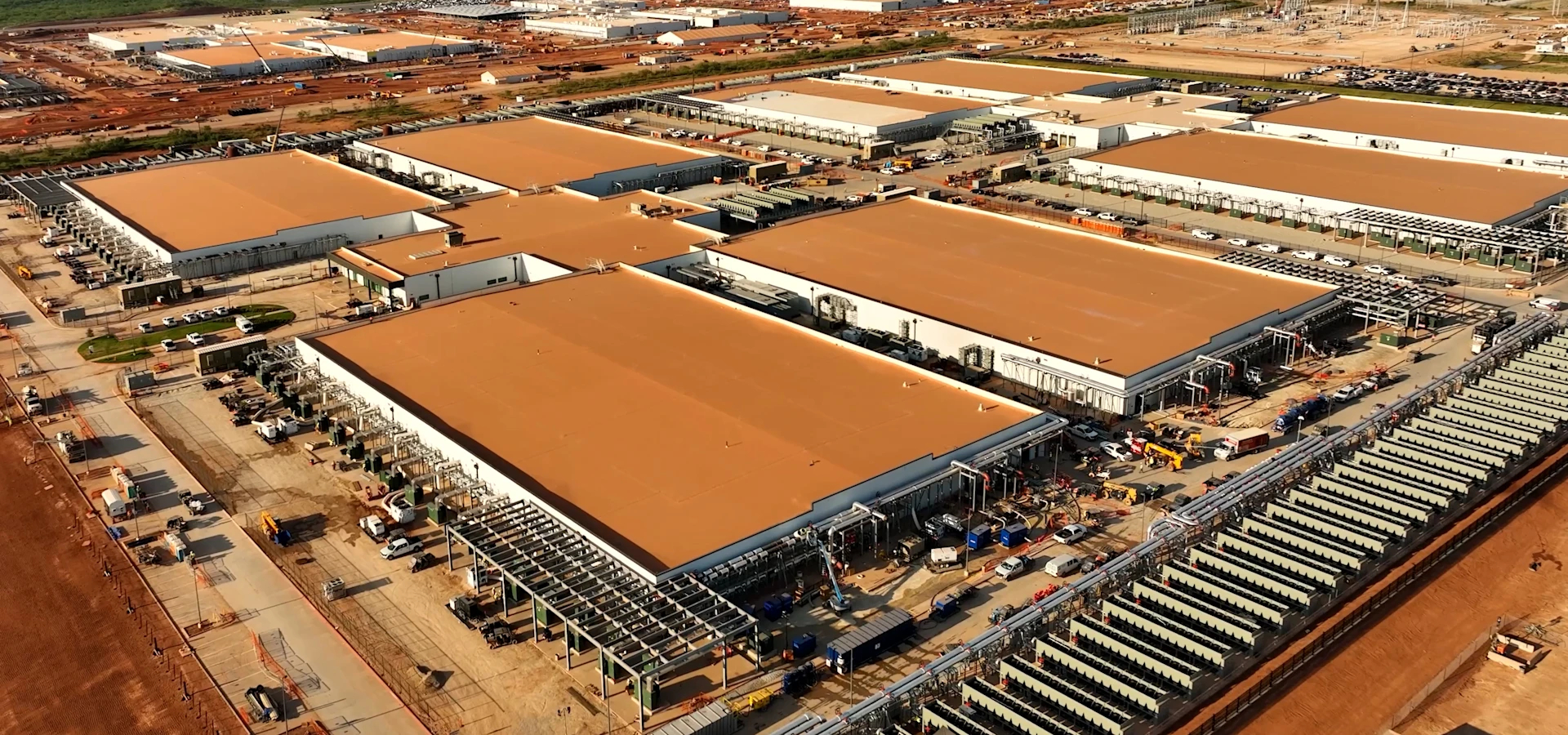
What This Means for AI Development
The potential delay of 40% of 2026's planned AI data center capacity has immediate implications:
- Compute Scarcity: The core commodity for AI training and inference—high-performance compute—could remain tighter for longer, potentially constraining the scale of next-generation model development from companies reliant on this new infrastructure.
- Cost Pressure: Continued scarcity of compute supply, against unrelenting demand, places upward pressure on cloud GPU rental costs and makes securing capacity for large training runs more difficult and expensive.
- Strategic Reassessment: AI firms may need to further diversify their infrastructure partnerships and explore alternative geographic regions with more readily available power and construction capacity.
gentic.news Analysis
This report exposes a critical, and often overlooked, friction point in the AI acceleration narrative: the physical build-out cannot keep pace with software and algorithmic ambitions. The denials from OpenAI and Oracle are standard corporate posture, but the satellite data from SynMax provides an objective, difficult-to-refute counterpoint. This aligns with our previous reporting on the extreme power demands of AI clusters and the logistical nightmares of securing multi-gigawatt power contracts.

The labor shortage for specialized construction trades is a predictable consequence of an industry-wide building boom. When every major cloud provider (AWS, Google, Microsoft Azure) and AI native (OpenAI, Anthropic, xAI) is racing to build similar facilities simultaneously in select regions, the localized pool of qualified electricians and pipe fitters is quickly exhausted. This isn't a problem solved by capital alone in the short term.
Furthermore, this data suggests that the timeline for alleviating the current GPU shortage may be longer than anticipated. If 40% of planned 2026 capacity slips into 2027, the supply-demand balance for cutting-edge inference and training compute will remain tight. This could advantage firms like NVIDIA, whose hardware remains the bottleneck resource, but it also risks slowing the pace of iterative AI research and deployment for those waiting in line for capacity. The era of AI is being shaped as much by construction crews and utility permits as by transformer architectures.
Frequently Asked Questions
How does SynMax use AI to detect data center delays?
SynMax uses AI to automatically analyze sequences of high-resolution satellite images. Their models are trained to identify and classify construction milestones—such as cleared land, foundation work, structural steel, and roofing—and track their progression over time. By comparing observed progress against published project timelines and typical construction velocities, their system can flag projects at high risk of delay.
Why are AI data centers harder to build than traditional ones?
AI data centers, or "AI factories," have vastly different requirements. They demand significantly higher power density (often 50-100+ kW per rack vs. 5-10 kW for traditional IT), specialized liquid cooling infrastructure, and robust, low-latency networking fabrics. This requires more complex electrical and mechanical work, exacerbating skilled labor shortages. They also need access to hundreds of megawatts, even gigawatts, of reliable power, which involves lengthy negotiations with utilities and grid operators.
What impact will these delays have on the availability of AI models like GPT-5 or Claude 4?
Direct delays in data center construction could indirectly slow the training of next-generation frontier models, which require unprecedented compute clusters. If a company's planned dedicated cluster is delayed, it may be forced to compete for scarce spot capacity on the open market, potentially increasing costs and extending research timelines. However, companies often have multi-faceted infrastructure strategies, so the impact may be on scale and cost rather than a complete block.
Are there regions less affected by these construction delays?
Potentially. Regions with established data center corridors, robust utility partnerships, and readily available skilled labor pools—like certain parts of the American Midwest or specific locations in Europe and Asia—might experience fewer delays. The report highlights Texas, a major growth area, as experiencing constraints, suggesting the boom is testing even historically favorable markets.