The Innovation — What the Source Reports
According to coverage from The Tech Buzz, Furniture Today, and Digital Commerce 360, Shopify is actively preparing its e-commerce platform for what is being termed an "AI agent takeover." This preparation is part of a broader industry trend where both B2B and B2C companies are increasing their investments in AI, specifically in "agentic commerce."
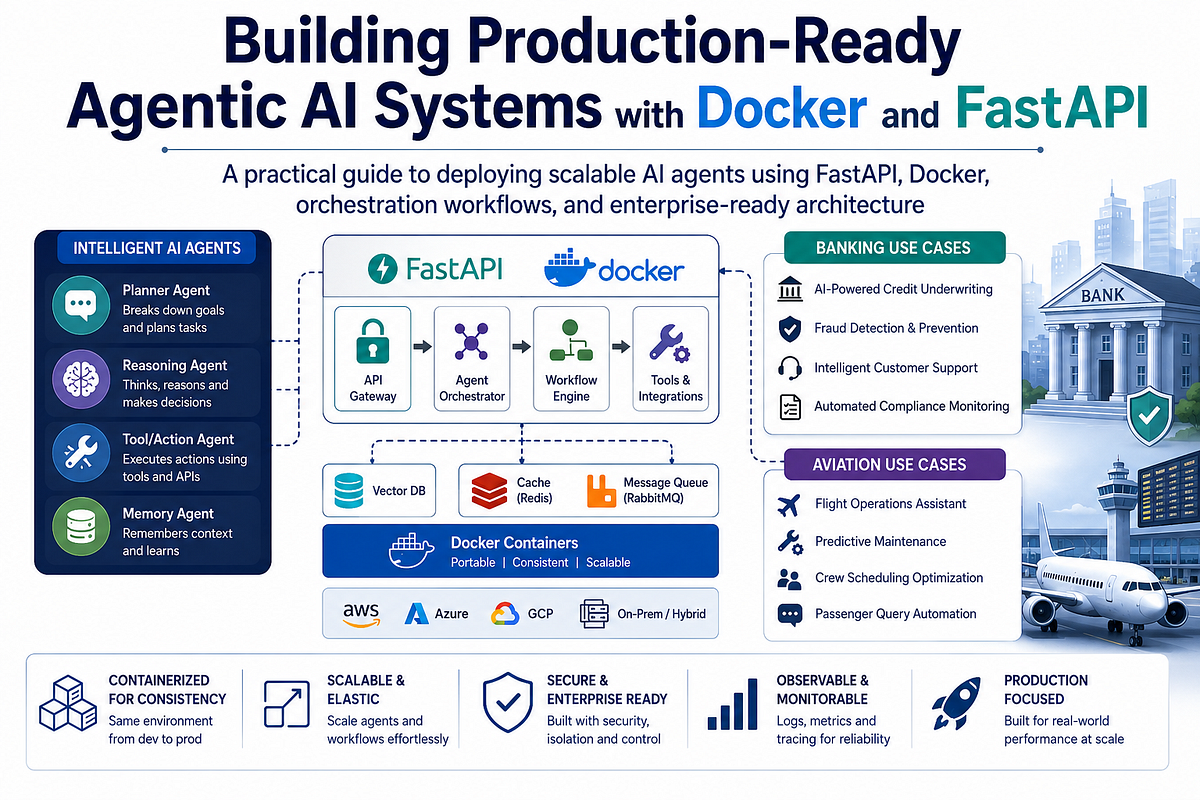
AI agents represent a significant evolution from the current generation of AI tools. While today's AI often functions as a reactive assistant (like a chatbot answering a customer query), agents are designed to be proactive, autonomous systems. They can perceive their environment, make decisions, and execute multi-step tasks to achieve a defined goal without constant human intervention. The coverage suggests this technology has crossed a critical reliability threshold, fundamentally transforming its programming and application capabilities.
Shopify's move indicates a strategic pivot to embed this more advanced, autonomous AI directly into the core commerce experience for its millions of merchants.
Why This Matters for Retail & Luxury
For luxury and premium retail brands, the shift from AI tools to AI agents represents a potential transformation in how digital commerce operates. The implications span the entire customer journey and backend operations:
- Hyper-Personalized Customer Journeys: An AI agent could manage a customer's entire discovery and purchase process. Instead of a customer browsing a site, an agent could learn their preferences, style, budget, and occasion (e.g., "a gift for a milestone anniversary"), then autonomously curate a selection, arrange virtual try-ons, handle bespoke customization requests, and complete the purchase—all within a single, cohesive interaction.
- Automated, Intelligent Operations: On the merchant side, agents could autonomously manage complex workflows. This includes dynamic inventory orchestration across physical stores and online channels, AI-driven visual merchandising that tests and optimizes product page layouts, and automated customer service resolution that goes beyond scripted answers to actually solve problems (like initiating a return and scheduling a courier).
- The Rise of Agentic Commerce: The coverage notes the traction of "agentic commerce," where the primary interface for shopping shifts from a human browsing a website to an AI agent acting on the human's behalf. For luxury, this doesn't diminish the experience but could elevate it by removing friction and allowing the AI to handle logistics, while the human enjoys a curated, concierge-level service.
Business Impact
The business impact of integrating AI agents is poised to be substantial, though largely forward-looking at this stage.
- Conversion & AOV: By providing a truly personalized, zero-friction buying service, AI agents have the potential to significantly increase conversion rates and average order values. The agent's goal is to perfectly match customer desire with product, reducing abandoned carts.
- Operational Efficiency: Automating complex, multi-departmental tasks (customer service, inventory, personalization) could drastically reduce operational overhead and human error, allowing brand teams to focus on creative direction and strategy.
- Brand Loyalty: A reliably excellent, personalized AI agent experience could become a powerful driver of customer loyalty and lifetime value, setting premium brands apart in a crowded digital marketplace.
It is critical to note that the source material discusses preparation and investment trends. The quantified ROI for widespread AI agent deployment in luxury retail is not yet reported and will depend on implementation maturity.
Implementation Approach
For a luxury brand considering this evolution on Shopify or similar platforms, the implementation is not a simple plugin. It requires a foundational shift.
- Data Architecture: AI agents require rich, structured, and real-time data to operate effectively. Brands must have a unified customer data platform, detailed product information (including embeddings for visual search), real-time inventory feeds, and integrated CRM and ERP systems.
- Agent Framework & Tooling: Platforms like Shopify will likely provide the underlying agent frameworks and APIs (similar to how Google offers its Gemini API and Cloud Vertex AI). Brands will need to define the specific tasks, goals, and guardrails for their agents, potentially using low-code tools or working with specialized developers.
- Integration Complexity: Connecting an AI agent to all necessary backend systems (order management, payment, loyalty, PIM) is a significant technical integration project. The agent must have sanctioned "tools" (APIs) it can use to take action in each system.
- Phased Rollout: A prudent approach would be to start with a single, high-value use case (e.g., an automated personal shopping agent for top-tier loyalty members) in a controlled environment before scaling to broader customer-facing or operational functions.
Governance & Risk Assessment
The autonomous nature of AI agents introduces new categories of risk that luxury brands, with their reputation paramount, must govern meticulously.
- Brand Voice & Dilution: An uncontrolled agent making recommendations or communicating with customers could severely damage a carefully cultivated brand image. Rigorous training on brand voice, aesthetic principles, and product knowledge is non-negotiable.
- Bias & Fairness: If an agent is trained on historical data, it could perpetuate biases in product recommendation, pricing, or customer service. Continuous auditing of agent decisions for fairness is essential.
- Privacy & Data Security: An agent with access to vast customer data and system permissions is a high-value target. Implementation must follow a zero-trust security model, with strict data access controls and clear audit trails of every agent action.
- Maturity & Reliability: While reliability has crossed a "critical threshold," the technology is still emerging. Brands must implement robust human-in-the-loop oversight and clear escalation paths for complex or high-value interactions. The agent's decision-making process must be explainable.
- Customer Acceptance: The ultimate test is whether high-net-worth clients will trust an AI agent with a luxury purchase. The experience must be flawless and feel genuinely premium, not automated and impersonal. Transparency about when a customer is interacting with an AI is a key ethical consideration.