
Key Takeaways
- Bank of America reinstated Shopify with a 'Buy' rating, highlighting agentic commerce as a growth driver.
- This AI-powered automation trend could transform e-commerce operations for luxury and retail brands.
What Happened

Bank of America has reinstated Shopify Inc. with a 'Buy' rating, citing the company's strong positioning in the emerging field of agentic commerce. The upgrade, reported by Proactive financial news and echoed by multiple outlets including CNBC and Yahoo Finance, reflects growing analyst confidence that Shopify will be a primary beneficiary of the shift toward AI-powered autonomous e-commerce operations.
Agentic commerce—a term gaining traction in financial and tech circles—refers to the use of AI agents to autonomously manage e-commerce tasks such as inventory optimization, customer service, personalized marketing, and supply chain logistics. Unlike traditional automation, agentic systems can make decisions, learn from outcomes, and adapt in real time without human intervention.
Why This Matters for Retail & Luxury
For luxury and retail brands, the implications are significant. Agentic commerce promises to reduce operational overhead while improving customer experience. For example, AI agents could:
- Automate inventory restocking based on predictive demand signals, reducing stockouts and overstock—critical for luxury brands where scarcity and availability directly impact brand perception.
- Personalize customer interactions at scale, using AI to tailor product recommendations and marketing messages to individual preferences, a key driver of conversion in high-value segments.
- Handle complex customer service queries autonomously, from order tracking to returns management, freeing human agents for higher-value interactions.
Shopify's platform, already a dominant force in e-commerce, is well-positioned to integrate these capabilities. The company's recent investments in AI, including its Shopify Magic suite of AI tools, align with the agentic commerce thesis.
Business Impact
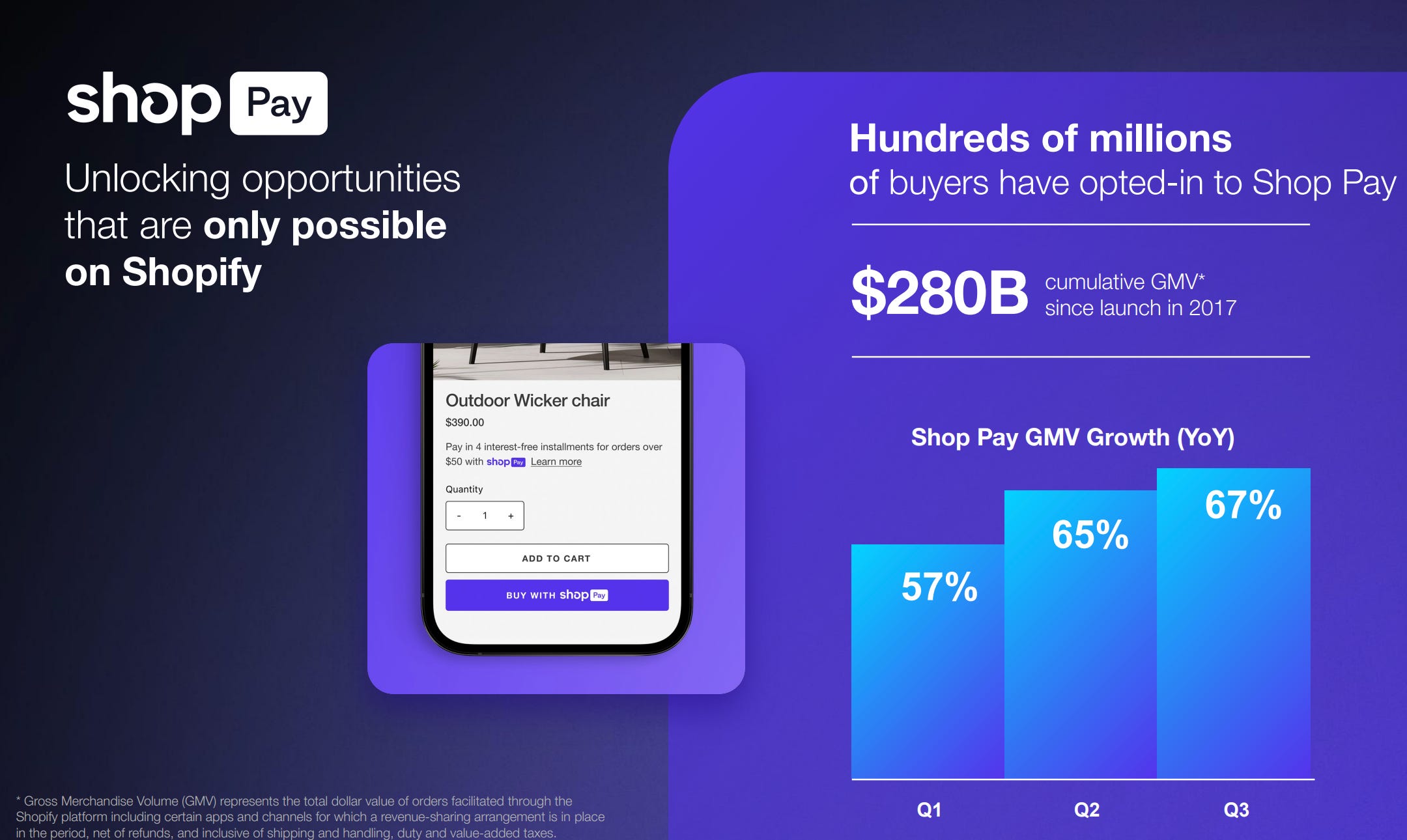
While Bank of America did not provide specific revenue or margin projections tied to agentic commerce, the upgrade signals that analysts see this as a material growth catalyst. For context, Shopify reported $7.8 billion in revenue for fiscal year 2025, with gross merchandise volume (GMV) exceeding $300 billion. Even a modest improvement in merchant efficiency or conversion rates could translate into hundreds of millions in additional revenue.
Stifel also upgraded Shopify to 'Buy' on the same thesis, further validating the trend. The convergence of analyst upgrades suggests that agentic commerce is moving from a speculative concept to a tangible investment theme.
Implementation Approach
For retailers and luxury brands looking to leverage agentic commerce, the path involves:
- Platform readiness: Ensure that e-commerce infrastructure (e.g., Shopify Plus) can integrate AI agent capabilities via APIs or native tools.
- Data quality: Agentic systems require clean, structured data on inventory, customer behavior, and supply chain. Brands should audit and improve data pipelines.
- Pilot programs: Start with low-risk use cases like automated customer service or inventory alerts before scaling to full autonomy.
- Governance: Establish human oversight for critical decisions (e.g., pricing changes, inventory write-offs) to maintain brand control.
Governance & Risk Assessment
Agentic commerce introduces new risks:
- Autonomy vs. brand control: Luxury brands, in particular, may be wary of ceding too much decision-making to AI, especially around pricing and product presentation.
- Data privacy: AI agents operating across customer touchpoints must comply with GDPR, CCPA, and other regulations. Shopify's platform handles this, but merchants remain responsible.
- Model reliability: AI agents can make errors. Brands need fallback mechanisms and human-in-the-loop workflows for critical operations.
Maturity level: Early adoption. While the technology is available, widespread enterprise deployment is likely 12-18 months away.
Source: news.google.com