What Happened
SK Group Chairman Chey Tae-won has publicly stated that the current global shortage of memory chips may not be resolved until approximately 2030. The forecast, reported via a social media post citing his remarks, indicates a prolonged period of structural imbalance between supply and demand in the semiconductor market.
According to the statement, the core issue is a significant deficit in wafer supply, which is reportedly running "more than 20% behind demand." This persistent shortfall is expected to drive continued price increases for memory chips, a critical component for AI hardware, data centers, and consumer electronics.
Context
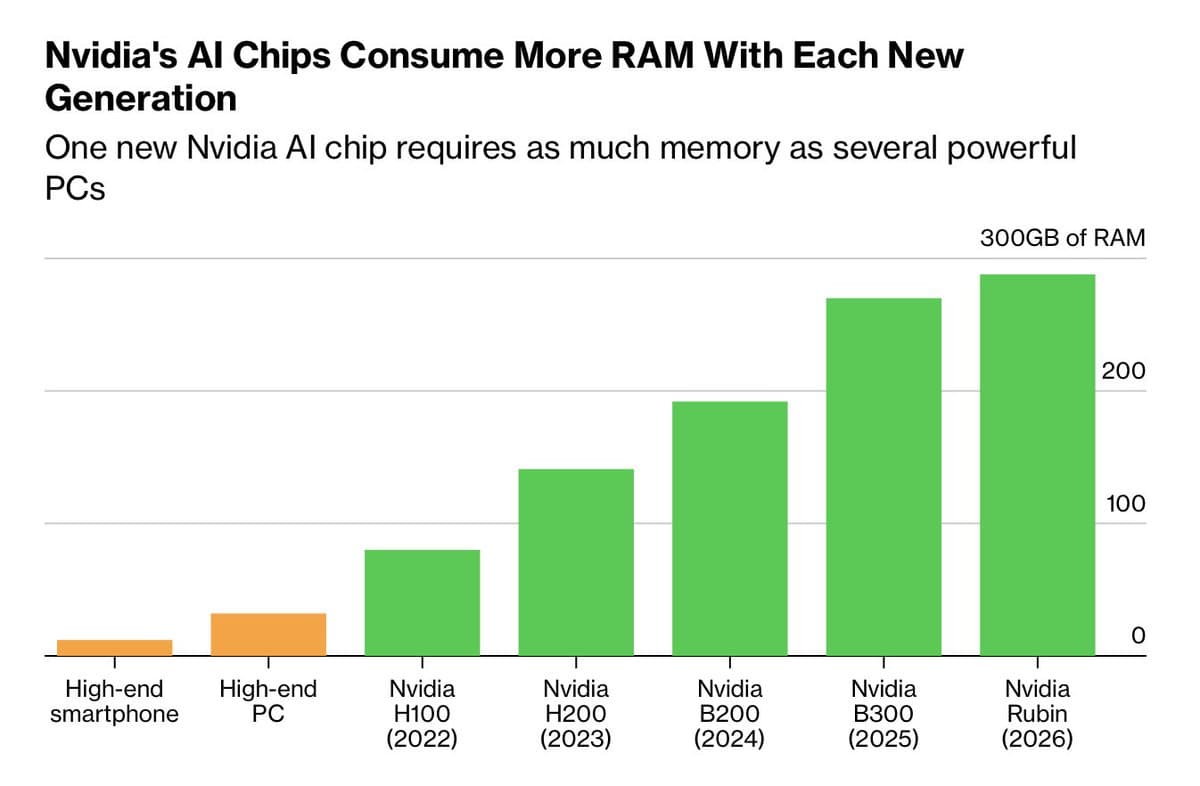
SK Group is the parent company of SK Hynix, the world's second-largest memory chip manufacturer and a major supplier of high-bandwidth memory (HBM) essential for training and running large AI models like those from NVIDIA. Chairman Chey's prediction carries significant weight given his company's position at the center of the AI hardware supply chain.
The forecast extends previous industry warnings about chip shortages. While many analysts have pointed to cyclical factors and pandemic-era disruptions, Chey's timeline suggests a more entrenched, multi-year constraint rooted in fundamental capacity limitations and the immense capital and time required to build new semiconductor fabrication plants (fabs).
The statement implies that the explosive demand for AI accelerators—which consume vast quantities of advanced memory—is outpacing the industry's ability to scale production, creating a bottleneck that could last for the remainder of the decade.