SoftBank Group Corp. has secured a $40 billion bridge loan to finance its investment in OpenAI, according to a Bloomberg report. This transaction represents the largest loan of its kind and significantly increases the Japanese investment giant's debt load as it aggressively positions itself within the global artificial intelligence race.
The bridge loan facility is a clear financial instrument to enable SoftBank's deepening partnership with OpenAI, the company behind ChatGPT. This move is part of a broader strategic pivot by SoftBank, which has historically made large bets on technology trends, to establish itself at the center of the fast-growing generative AI sector. The capital is intended to fund the acquisition of a stake in OpenAI, though the specific size of the equity position and the loan's terms were not disclosed in the initial report.
The Deal
The $40 billion bridge loan is a record-setting financial commitment for a single investment in the AI space. A bridge loan is typically a short-term financing tool used to secure immediate capital, often with the expectation of refinancing with longer-term debt or equity later. The sheer scale indicates the valuation SoftBank is placing on securing a meaningful partnership with OpenAI. This financing adds to SoftBank's existing substantial debt, reflecting a high-conviction, leveraged bet on AI's future.
What SoftBank is Betting On
SoftBank is investing in OpenAI at a pivotal moment. OpenAI is not just the developer of the ubiquitous ChatGPT; it is a central entity in the AI landscape, having developed foundational models like GPT-4o, GPT-5.3, and the recently launched GPT-5.4 mini variants. The company is also actively shaping its commercial and strategic direction, as evidenced by recent moves to wind down experimental projects like the standalone Sora video app and cancel planned features like an "adult mode" chatbot.
OpenAI's value proposition for an investor like SoftBank extends beyond ChatGPT. The company is reportedly developing an autonomous AI researcher system, led a $94 million investment into AI agent startup Isara, and is aggressively expanding its private funding, having recently added $10 billion to a round bringing its total to over $120 billion. For SoftBank, this stake is a direct conduit into the core infrastructure of the generative AI revolution.
Market Context
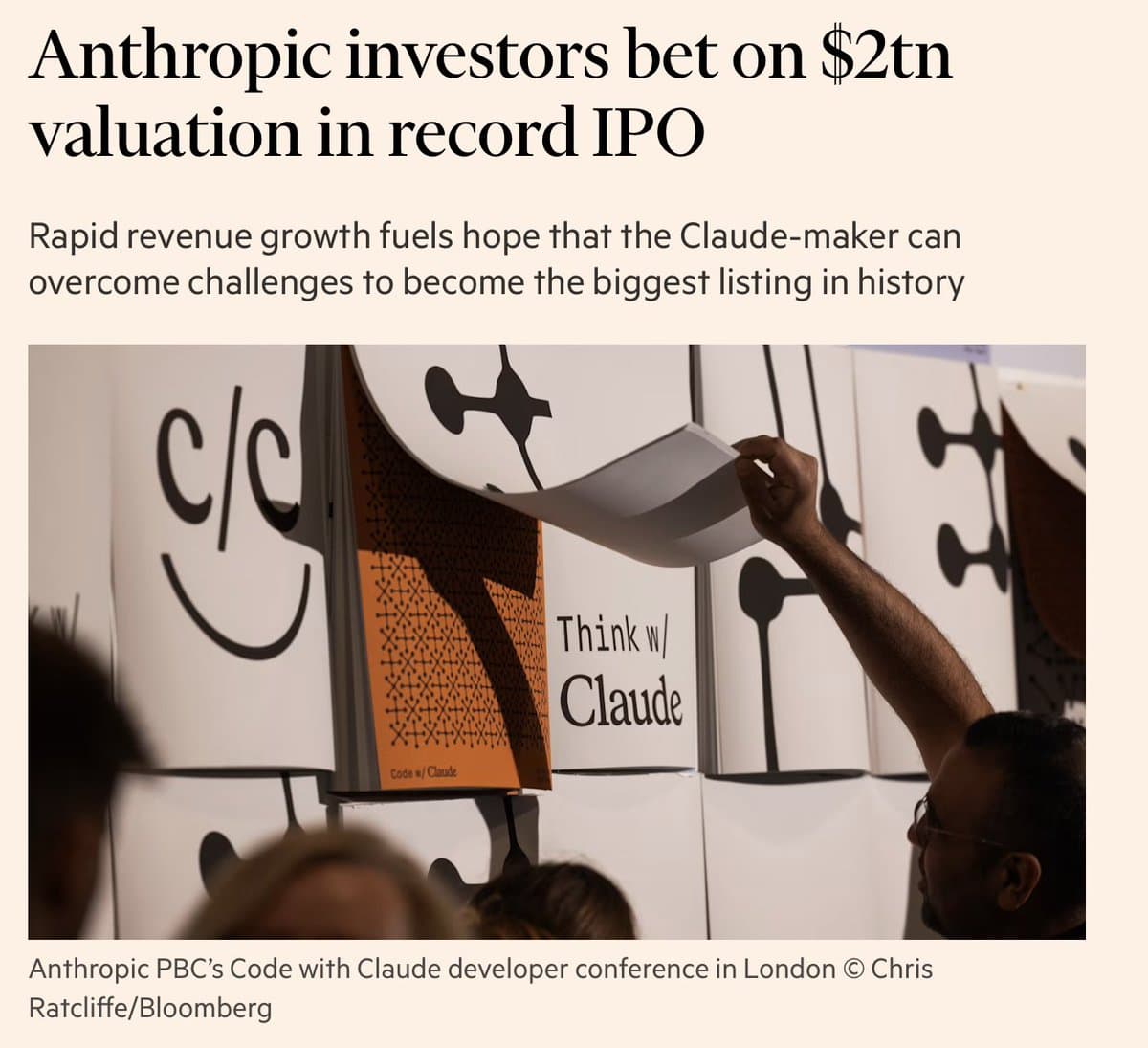
This massive financial move occurs within an intensely competitive and capital-heavy environment. OpenAI's primary competitors include Anthropic—which is reportedly targeting an IPO in October 2026—and tech giants like Google and Meta. Microsoft remains OpenAI's most significant strategic partner and investor. SoftBank's entry as a major financial backer introduces a new, deep-pocketed player into OpenAI's cap table, potentially altering the dynamics of its existing partnerships.
The investment also follows a clear trend of consolidation and focus within OpenAI. The company is shifting resources away from side projects and toward core model development and scalable enterprise solutions. SoftBank's capital could accelerate this focus, providing fuel for the expensive compute and research required to maintain a lead against rivals like Anthropic's Opus models.
gentic.news Analysis
This $40 billion bridge loan is less a simple investment and more a strategic colonization of the AI frontier by one of the world's most aggressive technology investors. Using the Knowledge Graph, we can see this is part of a massive week for OpenAI, which has appeared in 49 of our articles in the last seven days alone. The move directly follows OpenAI's own financial maneuvers, including its recent $10B private funding expansion and its lead investment in Isara. It creates a powerful financial bloc: SoftBank's capital, combined with Microsoft's cloud infrastructure and partnership, positions OpenAI with two of the most formidable backers in tech.
However, this scale of debt-financed investment carries significant risk. It increases SoftBank's leverage substantially, echoing its past strategy with the Vision Fund. The bet is entirely on OpenAI's continued dominance. If competitive pressure from Anthropic, Google's Gemini, or open-source alternatives intensifies, or if OpenAI's strategic focus—recently evidenced by project cancellations—falters, SoftBank's massive debt load could become a liability. Furthermore, this investment may subtly recalibrate OpenAI's alliances; while Microsoft is a partner, SoftBank is a pure financial investor with its own vast portfolio, potentially introducing new strategic vectors.
Connecting to our recent coverage, this development runs parallel to the race to public markets, where Anthropic is reportedly targeting an October 2026 IPO. It also contrasts with the competitive feature wars we covered, such as Google Gemini launching manual memory import to lure users from ChatGPT. SoftBank's bet is a macro-scale wager that OpenAI will win those daily battles and define the underlying platform of the next computing era.
Frequently Asked Questions
What is a bridge loan?
A bridge loan is a short-term financing option used by companies or individuals to secure immediate capital, typically to cover an expense before securing permanent, long-term financing or completing a transaction like an equity raise. In this case, SoftBank is using the $40 billion bridge loan to finance its stake in OpenAI, likely with plans to refinance it later with longer-term debt or other capital.
How much of OpenAI does SoftBank own now?
The initial Bloomberg report did not disclose the specific size of the equity stake SoftBank is acquiring with this $40 billion loan. The loan amount suggests the stake is very significant, but the exact percentage ownership and the valuation at which the investment is being made remain unknown.
Why would SoftBank take on so much debt for this?
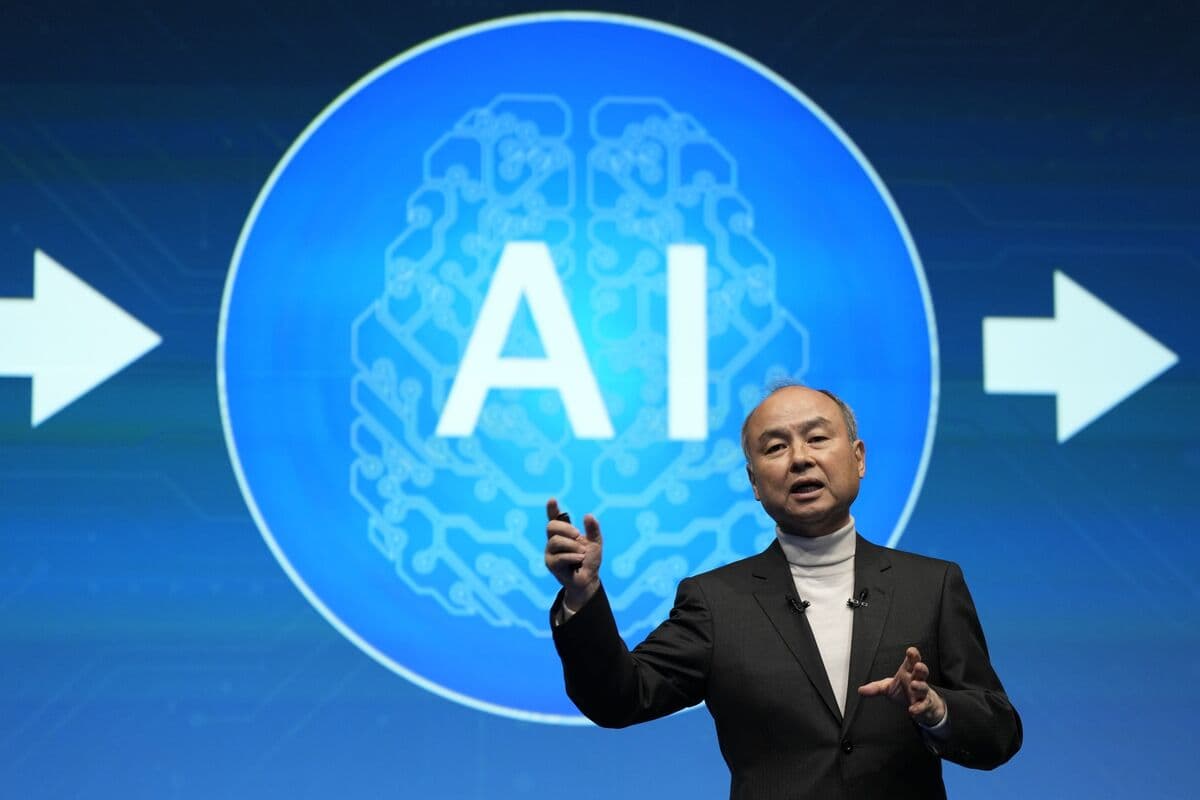
SoftBank, led by Masayoshi Son, has a history of making large, concentrated bets on technology trends it believes will define the future (e.g., its Vision Fund bets on startups). The company likely views generative AI, and OpenAI's position at its forefront, as the most critical technological shift of the coming decades. Taking on debt to secure a major stake is a high-conviction, leveraged strategy to maximize its potential returns from this bet.
How does this affect OpenAI's relationship with Microsoft?
Microsoft is OpenAI's primary strategic partner and a major investor. The addition of SoftBank as another massive financial backer diversifies OpenAI's funding sources and could provide additional strategic flexibility. It does not necessarily diminish Microsoft's role, which is deeply integrated through Azure cloud services and product partnerships like GitHub Copilot, but it does introduce another powerful stakeholder with its own interests into OpenAI's corporate structure.