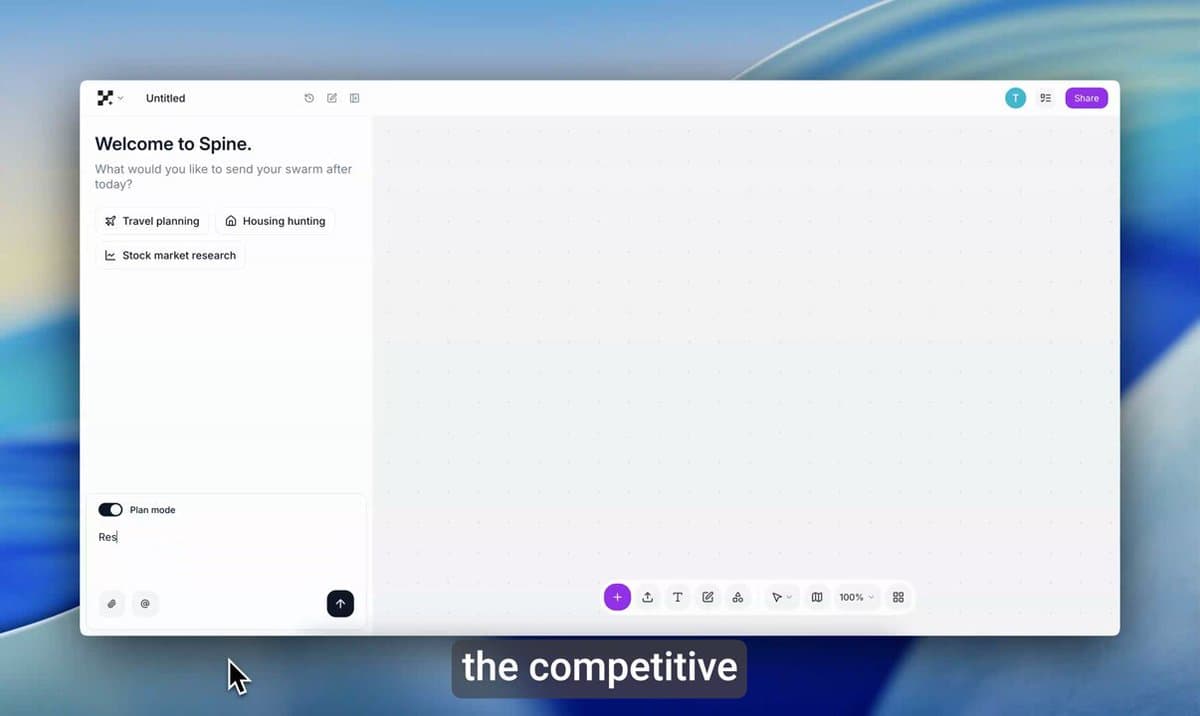
In a remarkable development that challenges conventional wisdom about AI innovation, an eight-person team has reportedly created a system that beats some of the most advanced AI models from tech giants in deep research capabilities. According to reports circulating on social media and tech communities, this small team of engineers has developed "Spine Swarms" - an AI system that outperforms Google's search capabilities, Perplexity AI, Anthropic's Claude, and OpenAI's GPT-5.2 in specialized research tasks.
The David vs. Goliath Story
The most striking aspect of this development isn't just the technical achievement, but the context: this breakthrough didn't come from a well-funded corporate lab or a billion-dollar research division. Instead, it emerged from what appears to be a nimble, eight-person team consisting primarily of engineers. This challenges the prevailing narrative that significant AI advances require massive resources and institutional backing.
According to the source material, the team includes just five engineers among its eight members, suggesting a lean, focused approach to development. This composition raises interesting questions about optimal team structures for AI innovation and whether smaller, specialized groups might have advantages over larger, more bureaucratic organizations in certain domains.
What Are Spine Swarms?
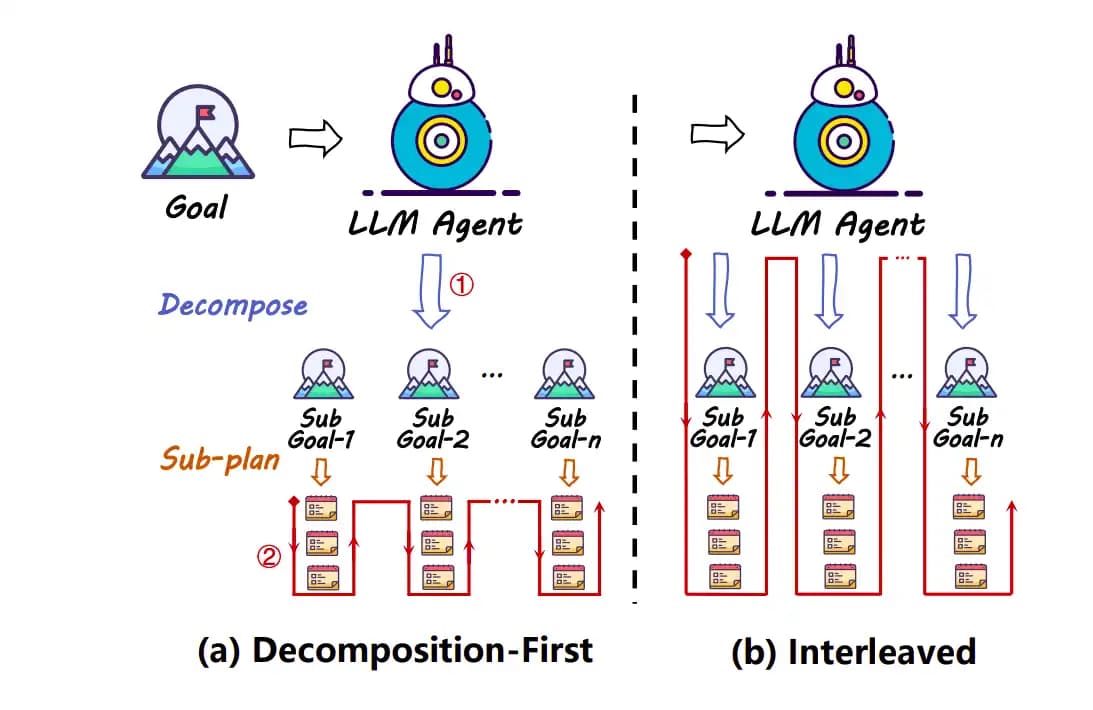
While detailed technical specifications aren't provided in the source material, the name "Spine Swarms" suggests a potentially novel architectural approach. The term "swarms" typically refers to multi-agent systems where multiple AI agents work collaboratively on tasks, while "spine" might indicate some form of central coordination or backbone architecture.
This approach contrasts with the monolithic model architectures favored by many major AI companies. Swarm intelligence systems have shown promise in various applications, but applying them effectively to complex research tasks represents a significant technical challenge that this team appears to have overcome.
The Competitive Landscape
The reported performance claims are particularly noteworthy given the competitors mentioned. Google represents decades of search and information retrieval expertise. Perplexity AI has specifically positioned itself as an AI-powered research and answer engine. Claude from Anthropic emphasizes safety and reasoning capabilities, while GPT-5.2 represents OpenAI's latest advancements in general intelligence.
Outperforming these established systems in "deep research" suggests Spine Swarms may have developed superior capabilities in areas like information synthesis, source evaluation, multi-step reasoning, or specialized domain knowledge. The specific benchmarks or evaluation criteria aren't detailed in the source, but the claims suggest significant advances in how AI systems can approach complex research problems.
Implications for AI Development
This development carries several important implications for the AI industry:
1. Democratization of AI Innovation: The success of such a small team demonstrates that groundbreaking AI work doesn't require Google-scale resources. This could inspire more independent researchers and small teams to tackle ambitious AI problems.
2. Specialization vs. Generalization: The focus on "deep research" suggests there may be significant advantages to building specialized systems rather than pursuing general intelligence alone. This could lead to more domain-specific AI innovations.
3. Architectural Innovation: The swarm approach might represent an alternative path to AI capability that differs from simply scaling model size or training data. This could open new research directions beyond the current transformer-dominated landscape.
4. Competitive Dynamics: If small teams can compete effectively with tech giants in specific domains, we might see more fragmentation in the AI market rather than consolidation around a few dominant players.
Challenges and Questions
While the reported achievement is impressive, several questions remain unanswered based on the available source material:
- What specific metrics or benchmarks were used to determine superiority?
- What domains of research were tested (academic, technical, medical, etc.)?
- How does the system handle source verification and citation?
- What are the computational requirements compared to larger models?
- How does the team plan to maintain their competitive edge?
The Future of AI Research Tools
The emergence of Spine Swarms suggests we may be entering a new phase in AI-assisted research. Rather than a single dominant approach, we might see a proliferation of specialized tools optimized for different types of research tasks. This could benefit researchers, academics, and professionals who need to navigate increasingly complex information landscapes.
The success of this small team also highlights the importance of innovative thinking and architectural creativity in AI development. As the field matures, we may see more breakthroughs coming from unconventional approaches rather than incremental improvements on existing architectures.
Conclusion
The reported achievement of the Spine Swarms team represents more than just another AI advancement - it challenges fundamental assumptions about how AI innovation happens and who can compete in this rapidly evolving field. While we await more detailed technical information and independent verification, the mere possibility that an eight-person team can outperform established AI giants in specialized tasks should inspire both optimism and reevaluation within the AI community.
This development reminds us that in the fast-moving world of artificial intelligence, agility, creativity, and focused expertise can sometimes outweigh sheer scale and resources. As the AI landscape continues to evolve, we can expect more surprises from unexpected quarters, potentially leading to a more diverse and innovative ecosystem than anyone predicted.
Source: Reports from social media and tech community discussions about Spine Swarms' capabilities compared to established AI systems.