Key Takeaways
- Stifel upgrades Shopify to Buy, highlighting agentic commerce as a key growth driver.
- The move signals growing investor belief that AI agents will transform e-commerce operations, from inventory to customer engagement.
What Happened
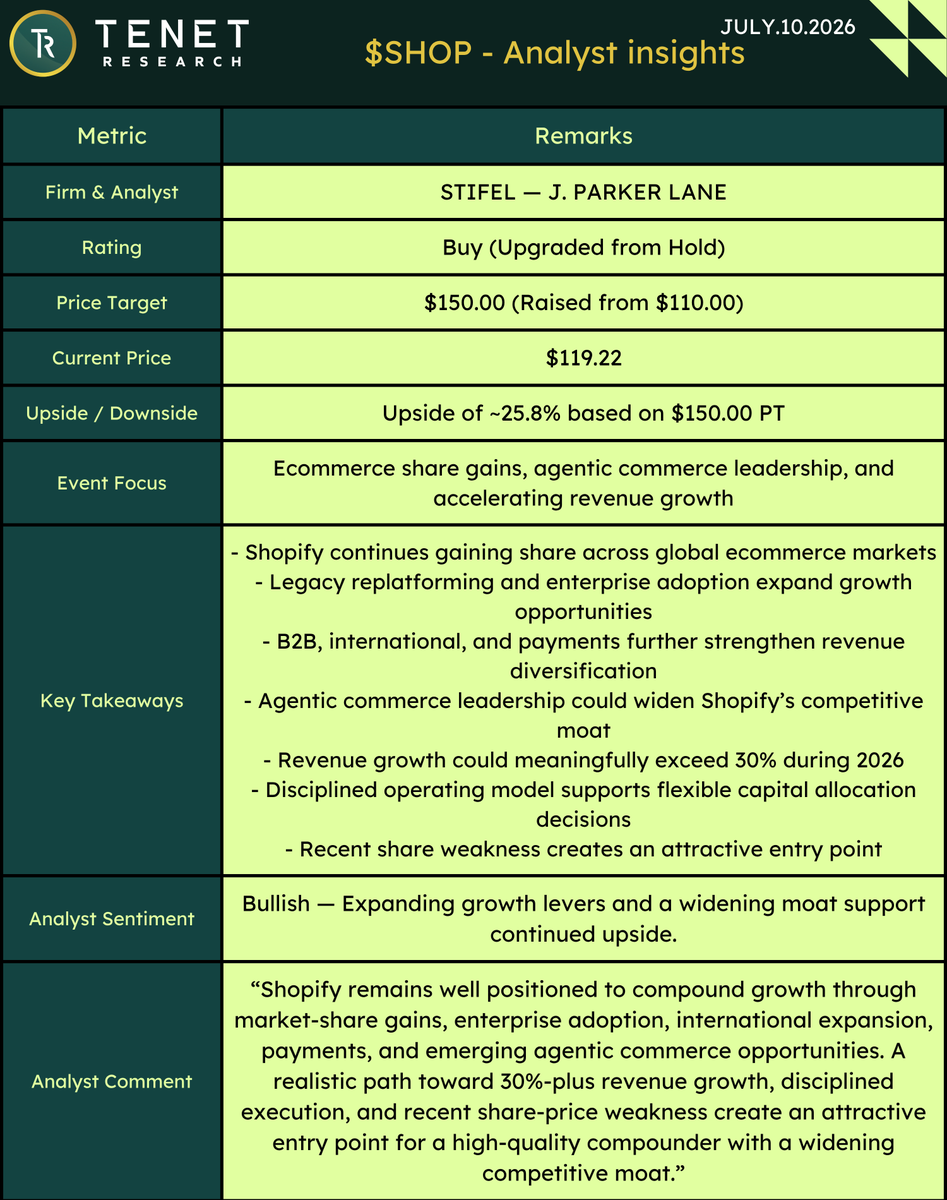
Stifel, a prominent financial services firm, has upgraded Shopify (SHOP) to a Buy rating, explicitly naming agentic commerce as the next major growth catalyst for the e-commerce platform. The upgrade, reported by Investing.com, CNBC, and Yahoo Finance, signals a growing Wall Street consensus that autonomous AI agents will fundamentally reshape how merchants operate online.
Stifel's analysts argue that Shopify's existing infrastructure—spanning payments, logistics, and merchant tools—positions it to capitalize on the shift toward agentic commerce, where AI agents handle tasks traditionally requiring human intervention. This includes inventory forecasting, customer service triage, personalized marketing campaigns, and even dynamic pricing adjustments.
Why This Matters for Retail & Luxury
For retail and luxury brands, the Stifel upgrade is a bellwether. If a major financial institution is betting on agentic commerce as a growth catalyst, it signals that AI agents are moving from experimental to operational priority.
- Operational Efficiency: Luxury brands like Kering and Richemont manage complex supply chains and multi-brand portfolios. Agentic AI could automate inventory reconciliation across channels, flagging stockouts or overstock in real time.
- Personalization at Scale: For Burberry or Nike, AI agents could orchestrate personalized email campaigns, adjust product recommendations based on browsing behavior, and even manage loyalty program interactions without human oversight.
- Customer Service: High-net-worth customers expect white-glove service. Agentic AI could handle routine inquiries (order status, size guides) while escalating complex issues to human concierges—maintaining brand standards while reducing cost.
However, the luxury sector must tread carefully. Agentic AI's autonomy raises questions about brand voice consistency, data privacy, and the risk of impersonal interactions. The technology is not yet mature enough for unsupervised deployment in high-stakes customer-facing roles.
Business Impact
Stifel's upgrade is not yet tied to quantified revenue projections for agentic commerce, but the implication is clear: Shopify's total addressable market expands if merchants adopt AI agents. For Shopify, which reported $2.2 billion in revenue in Q1 2026, agentic features could drive:
- Higher Merchant Spend: Subscription upgrades to access AI agent tools.
- Increased Transaction Volume: AI agents optimizing conversion rates and average order value.
- Platform Stickiness: Deep integration of agents reduces merchant churn.
For luxury brands using Shopify (or considering it), the question is whether agentic commerce will be a competitive differentiator or a table-stakes requirement. Early adopters may gain efficiency advantages, but the technology must prove it can handle the nuance of luxury retail—where customer relationships are built on trust and human touch.
Implementation Approach
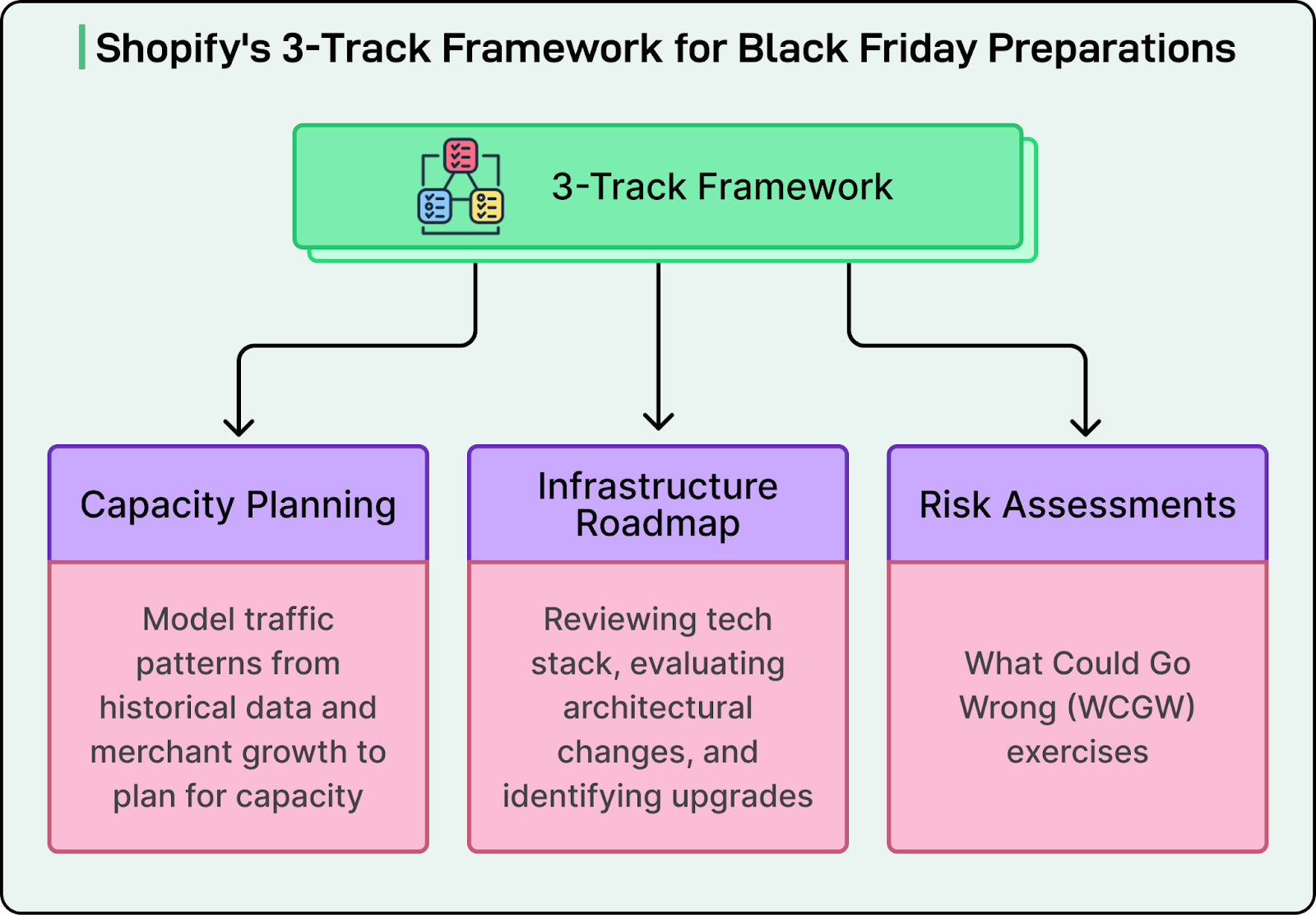
For retail and luxury brands looking to explore agentic commerce, the path is incremental:
- Audit Current Workflows: Identify repetitive, rules-based tasks (e.g., inventory alerts, basic customer queries) that can be automated without brand risk.
- Start with Guardrails: Deploy AI agents in supervised mode, where they suggest actions but require human approval for execution.
- Integrate with Existing Stack: Shopify's API ecosystem allows agentic AI to connect with CRM, ERP, and analytics tools. Use this to test agents on non-critical functions first.
- Measure and Iterate: Track metrics like response time, error rate, and customer satisfaction. Agentic AI should augment, not replace, human teams.
Complexity is moderate. Shopify merchants can leverage third-party agentic AI tools (e.g., from Google Cloud or OpenAI) via APIs, but custom development is required for deep integration.
Governance & Risk Assessment
- Maturity Level: Early. Agentic commerce is a concept with limited production deployments. Expect iterative improvements over 12-18 months.
- Privacy Risks: AI agents processing customer data must comply with GDPR, CCPA, and luxury-specific data handling standards.
- Brand Risk: Autonomous agents may make decisions that conflict with brand guidelines. Human-in-the-loop oversight is critical.
- Vendor Lock-In: Deep integration with Shopify's agentic tools could make switching platforms costly.
gentic.news Analysis
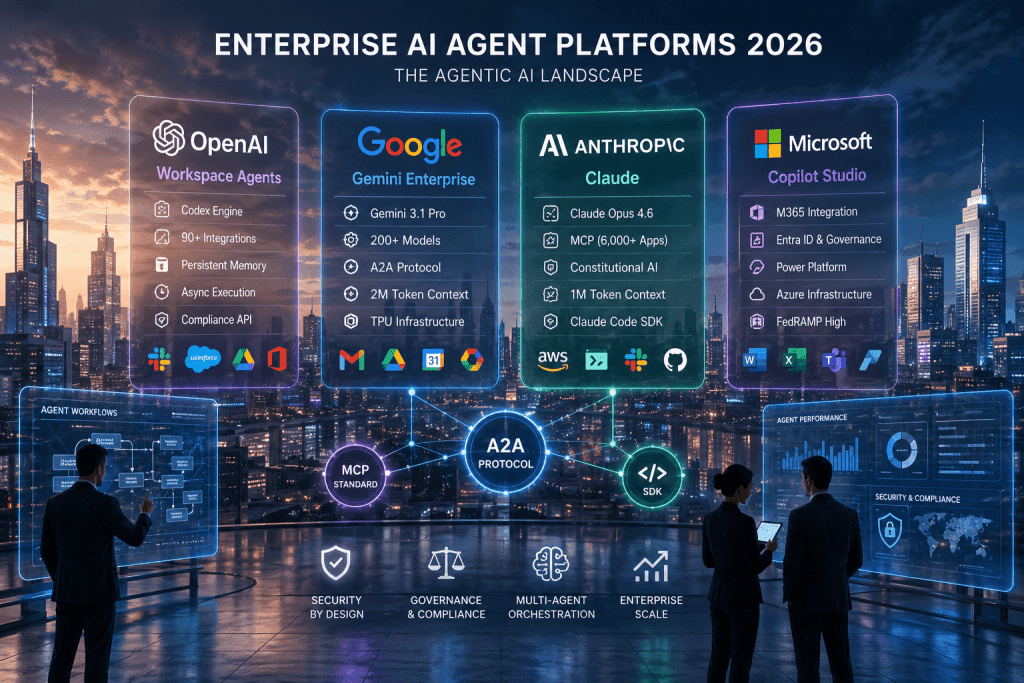
Stifel's upgrade is a signal, not a proof point. Agentic commerce is real—Google, OpenAI, and Anthropic are all investing heavily in AI agent frameworks—but the application to e-commerce is nascent. Shopify is a logical platform for early adoption because of its developer-friendly ecosystem and merchant density, but luxury brands should not rush.
The real opportunity lies in mid-market and DTC brands that can experiment with agentic AI without the reputational risk of luxury houses. For Kering or Richemont, the playbook should be: watch, pilot in low-stakes areas, and prepare governance frameworks now. The technology will mature faster than most expect.
Shopify's stock movement may be ahead of the revenue curve, but the direction is correct. Agentic commerce will be a growth driver—but it will take 2-3 years to materialize in meaningful financial results.
Source: news.google.com