Micron posted a 15-fold profit surge, with Q2 net income hitting $4.2 billion. Gross margin approached 85% as HBM4 high-bandwidth memory revenue crossed $1 billion for the first time.
Key facts
- Net income: $4.2 billion, up from $280 million.
- Gross margin: approaching 85%.
- HBM4 revenue: exceeded $1 billion for first time.
- Profit surged 15-fold year-over-year.
- HBM4 priced ~5x per GB vs. standard DDR5.
Micron reported a 15-fold profit surge in its most recent quarter, with gross margin approaching 85%. Net income hit $4.2 billion, up from $280 million a year earlier, according to TrendForce.
The $1B HBM4 milestone reinforces Micron's role as a critical supplier to the AI training stack. The company's high-bandwidth memory is deployed in NVIDIA's H200 and B200 GPUs, which power most large language model training runs.
Why this matters more than the headline suggests
The 85% gross margin signals that AI memory is becoming a toll booth for model training. Unlike commodity DRAM, HBM4 carries premium pricing—Micron charges roughly 5x per gigabyte versus standard DDR5, per industry estimates. That pricing power is unlikely to persist. Samsung and SK Hynix are both ramping competing HBM4 products, and Micron's margin is already near peak cycle levels. The question is how long the AI memory boom lasts before capacity catches up.
Context from recent history
Micron's bet on AI memory extends beyond sales. On June 22, 2026, Micron backed Anthropic's Series H with a multi-year memory supply deal, as previously reported by gentic.news. That vertical integration—tying supply to an AI lab's training demand—mirrors what Google is doing with its $11B/year SpaceX compute commitment.
The competitive landscape
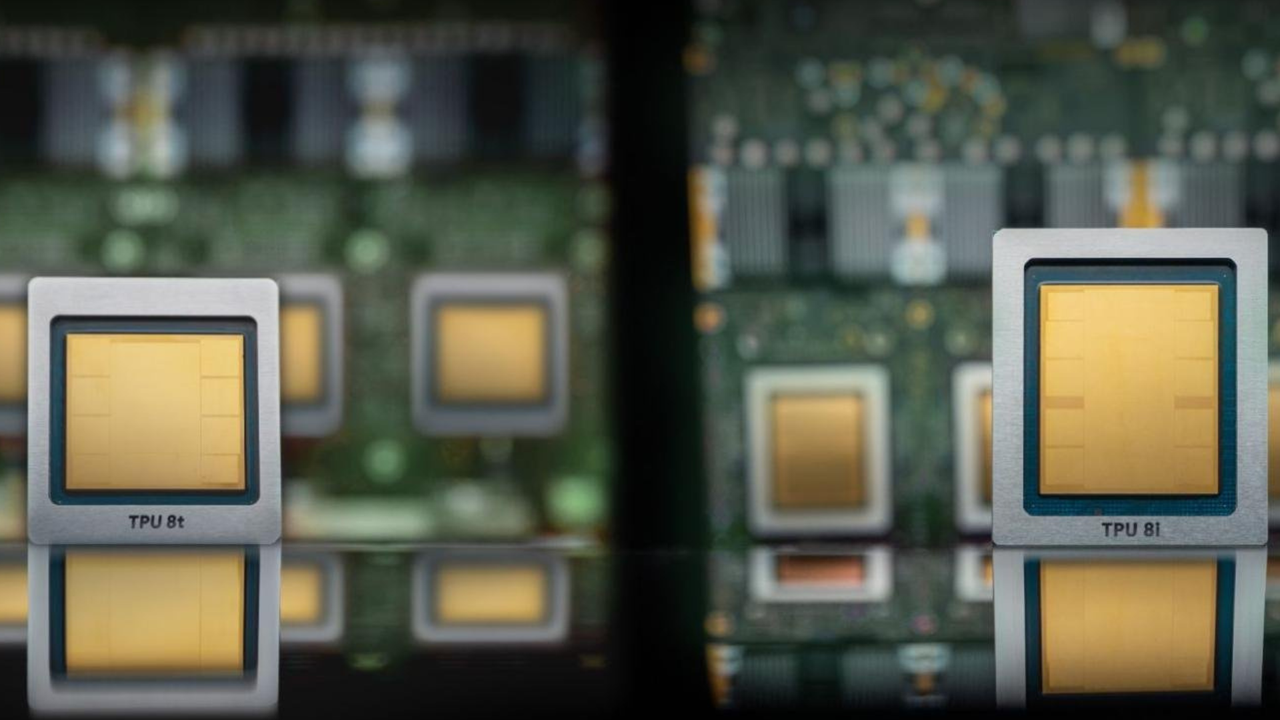
Micron's HBM4 revenue surge comes as the AI model race tightens: the top 10 labs are now separated by just 44 Elo points, per gentic.news. That means more training runs, which means more memory demand. But it also means hyperscalers like Google and Microsoft are designing custom memory architectures (Google's TPU v6 uses HBM4e), potentially reducing dependence on merchant memory suppliers over time.
Watch for: whether Micron can sustain 85% margins as Samsung and SK Hynix ramp competing HBM4 products. The company's next earnings call—expected in late September 2026—will reveal forward guidance on HBM4 pricing and capacity.
What to watch

Watch for Micron's Q3 2026 earnings call in late September for forward guidance on HBM4 pricing and capacity. The key metric: whether gross margin holds above 80% as Samsung and SK Hynix ramp competing HBM4 products.
Source: news.google.com