Alphabet reported negative free cash flow of $5.9B in Q2 2026, its first since the 2004 IPO. Capital expenditures doubled year-over-year to a record $44.9B, exceeding the $39.1B its operations generated.
Key facts
- Free cash flow: negative $5.9B in Q2 2026.
- Capex: $44.9B in Q2, doubled YoY.
- 2026 capex guidance raised to $195B–$205B.
- 60% of infrastructure spend went to servers.
- Inventory quadrupled to $10B from TPU system sales.
Google's parent company Alphabet posted its first negative free cash flow since going public in 2004, burning $5.9 billion in Q2 2026 as AI infrastructure spending surged. Capital expenditures doubled year-over-year to a record $44.9 billion, surpassing the $39.1 billion the business generated from operations According to the Q2 2026 earnings release.
$44.9B Quarter, $200B Year
CFO Anat Ashkenazi raised full-year capex guidance to between $195 billion and $205 billion, up from the $180–$190 billion range set in February. She warned that spending will increase again in 2027 as the company bets heavily on its custom TPU silicon. The quarterly deficit is small relative to Alphabet's scale—trailing 12-month free cash flow remains positive at $53.3 billion—but the shift from positive to negative marks a structural inflection point.
Servers First, Buildings Second
Approximately 60% of the quarter's technical infrastructure investment went into servers, with the remaining 40% split across data centers and networking equipment, Ashkenazi told analysts on the earnings call. That ratio inverts the usual assumption that hyperscaler capex is dominated by construction. Most of Alphabet's marginal dollar now buys compute, primarily its own TPU-based systems. Depreciation rose to $7.1 billion from $5.0 billion a year earlier, and Ashkenazi said infrastructure spending will keep pressuring the P&L through higher depreciation and energy costs.
"We're still in a supply-constrained environment," Ashkenazi said on the call, repeating a characterization the company has used for several consecutive quarters. Demand is running far enough ahead of Alphabet's build schedule that the company is renting third-party capacity as a bridge while its data centers come online, an arrangement Ashkenazi said will create modest margin pressure for its Cloud segment in Q3.
TPU Sales Turn Capex Into Inventory
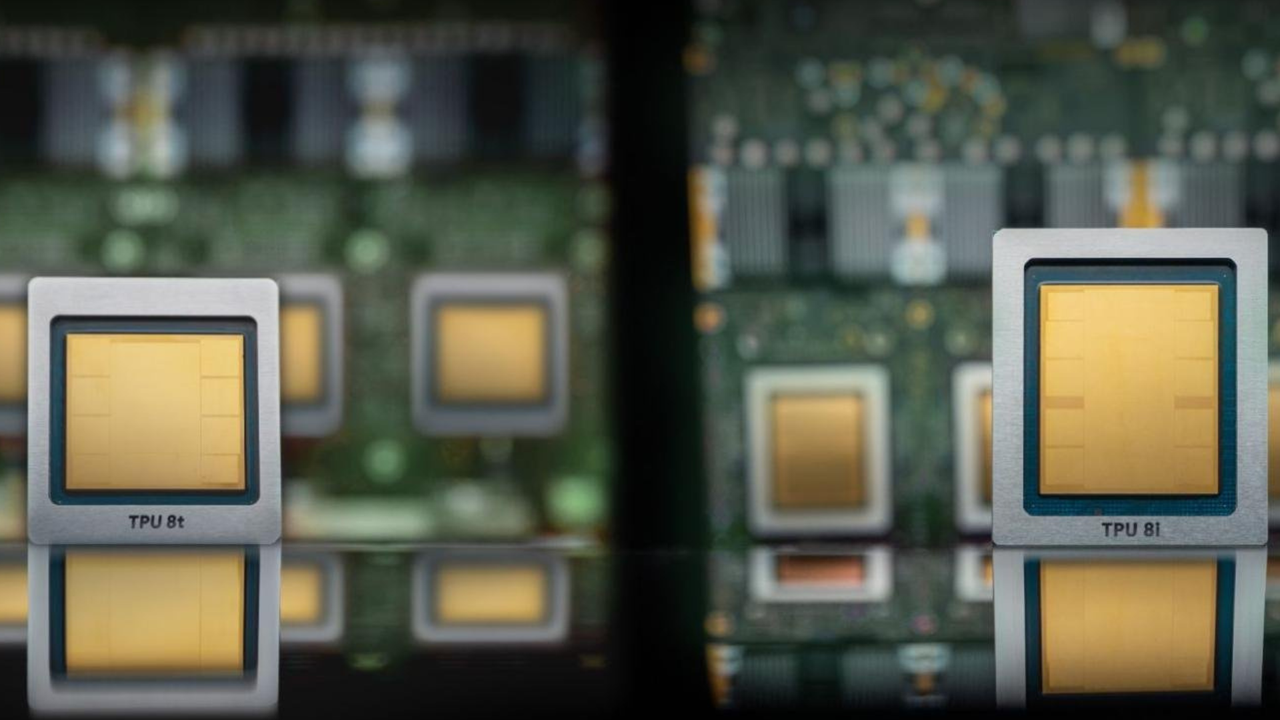
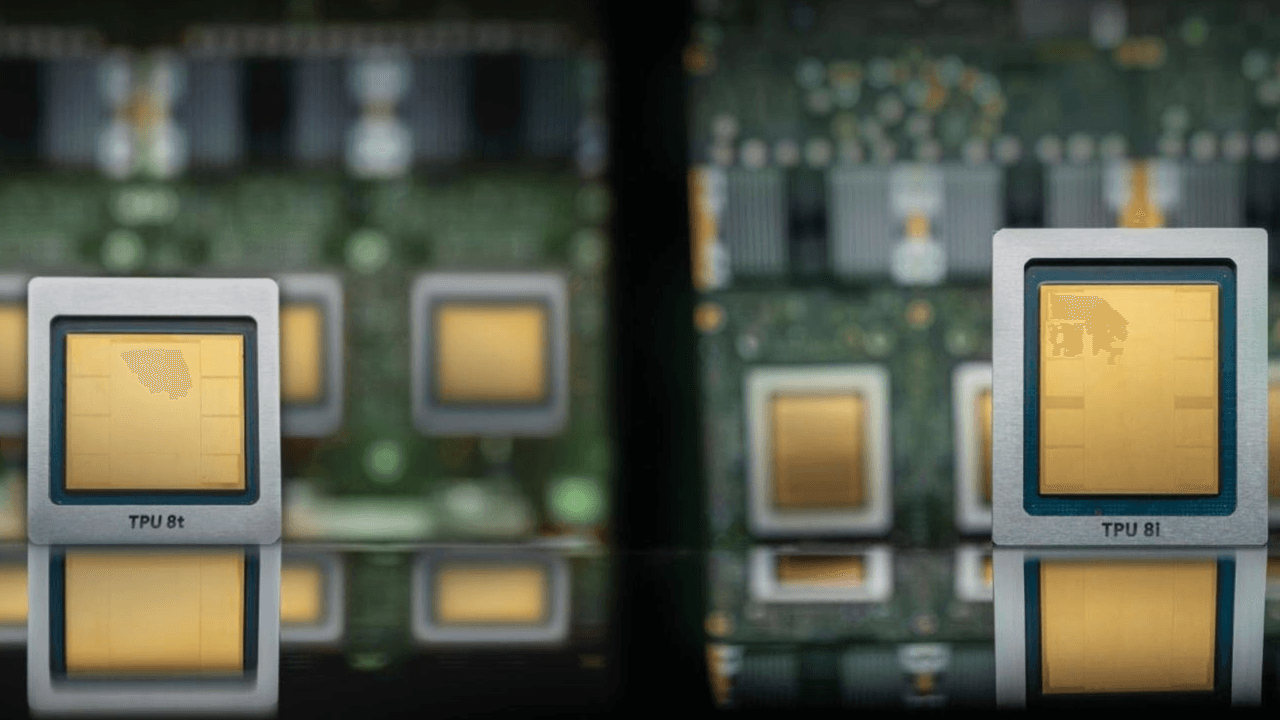
Google began recognizing revenue from TPU system sales in the quarter, with Ashkenazi telling analysts the systems were "delivered to customer data centers for the first time." This marks a strategic shift: Google previously rented TPU capacity exclusively through Google Cloud, but now sells systems directly to enterprise customers, converting what was pure capex into inventory that generates revenue. The company's inventory quadrupled to $10 billion, reflecting the buildout of TPU systems for sale.
Alphabet is covering the cash gap with borrowed money and new stock. The broader industry context includes $1.65 trillion in off-balance-sheet debt tied to AI infrastructure leases across five tech giants, an eightfold increase in four years [per our previous reporting]. Google's construction pipeline includes a $40 billion, three-campus program in Texas through 2027 and a $1.5 billion expansion in Jackson County, Alabama.
Key Takeaways
- Alphabet posted negative free cash flow of $5.9B in Q2 2026 as AI capex doubled to $44.9B, exceeding operating cash flow.
- CFO raised 2026 guidance to $195B–$205B and began selling TPU systems directly to customers.
What to watch
Watch for Q3 2026 Cloud segment margin commentary, as third-party capacity rental creates modest margin pressure. Also track whether inventory levels continue rising as TPU system sales scale, and whether Alphabet's off-balance-sheet lease liabilities grow further in the next quarterly filing.
Source: tomshardware.com