Amazon, Google, Meta, and Microsoft have burned $1.1 trillion on AI capex since 2023, per the Financial Times, with $745 billion more slated for 2026. The bill is now hitting consumers through power rates and memory prices.
Key facts
- $1.1T combined capex by Amazon, Google, Meta, Microsoft since 2023
- $745B additional AI spending expected in 2026 alone
- $1.65T+ hidden debt across the big four
- Oregon POWER Act: 30% bill hike for >20MW users, 1.3% cut for residents
- Google posted first negative free cash flow since 2004 IPO
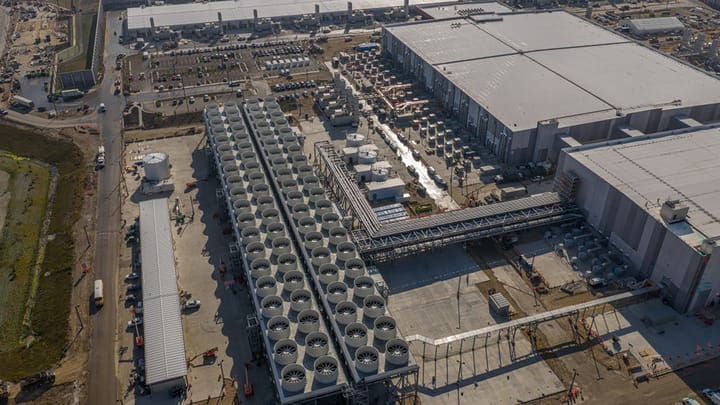
The four hyperscalers — Amazon, Google, Meta, and Microsoft — have collectively spent $1.1 trillion on data centers, AI chips, and the power to run them, according to the Financial Times via Tom's Hardware. Another $745 billion is expected to land this year alone. RBC Capital analyst Rishi Jaluria told the FT: "There is basically no end in sight for the growth in capex."
Key Takeaways
- Big four hyperscalers spent $1.1T on AI infrastructure since 2023, with $745B more in 2026.
- Hidden debt tops $1.65T.
The hidden debt problem
That capex is financed by what the FT characterizes as "hidden debt" ballooning past $1.65 trillion. The figure is notable because it signals the big four are borrowing to fund AI builds rather than paying from free cash flow. Google already reported its first negative free cash flow since its 2004 IPO, driven by AI capex, as previously reported.
The spending is now distorting adjacent markets. U.S. utilities are passing billions in grid-upgrade costs to all ratepayers, not just the hyperscalers. The White House's "ratepayer protection pledge" has no state codification. Oregon's POWER Act, enacted in 2025, raised bills 30% for users consuming over 20MW while cutting residential rates 1.3% — a model that shifts the burden to large consumers but has not been replicated.
Memory and chips
The capex wave has also starved the consumer memory market. Micron, Samsung, and SK hynix prioritize HBM for AI buyers willing to pay premiums, causing a shortage that started in 2025 and has spread from PC builders to cars and smartphones. Even Apple, with its usual supplier leverage, has raised prices.
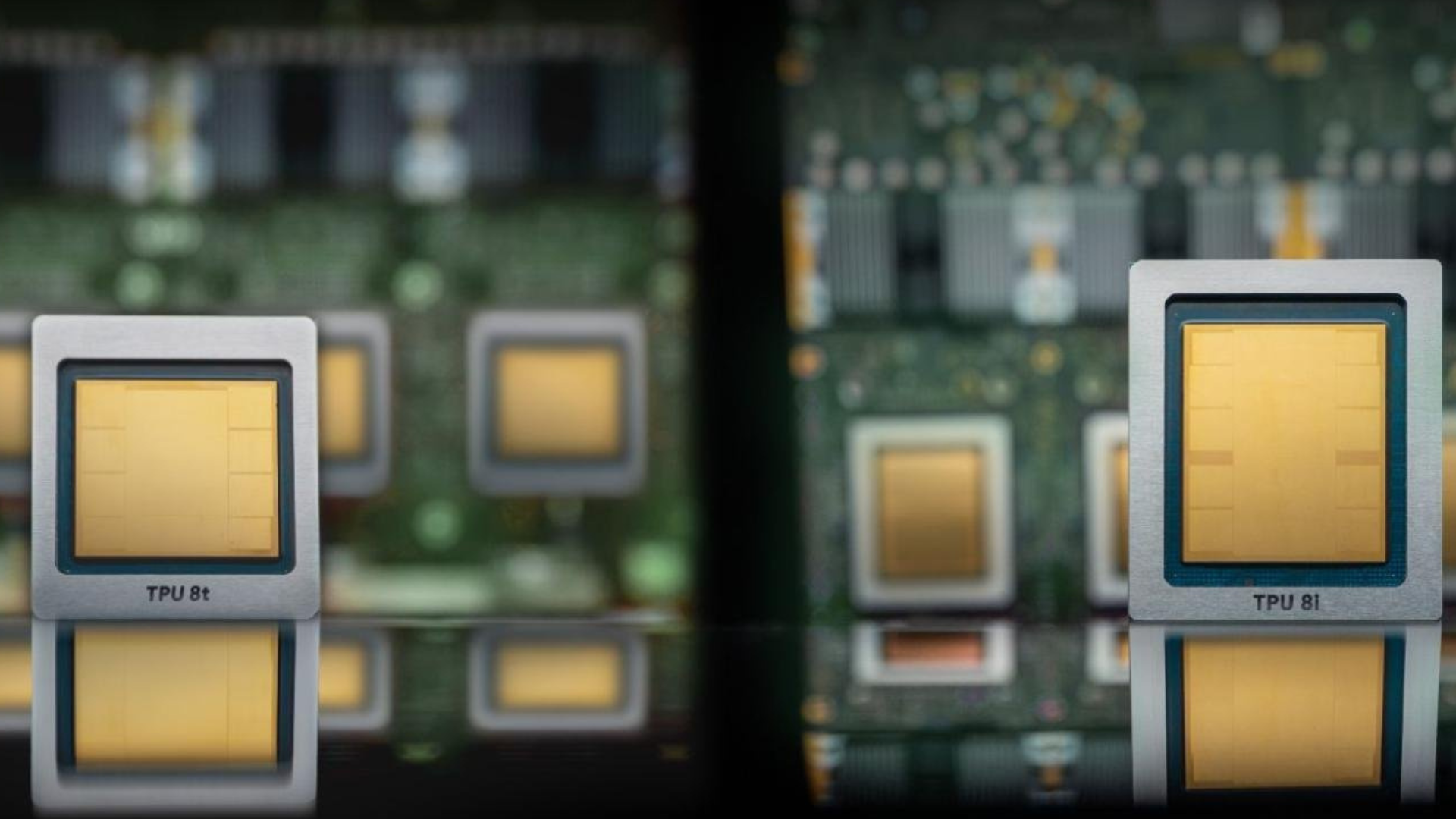
The question is whether the returns justify the spend. "Investors need these companies to toe the tight line between investing in AI and not compromising the things that have made them successful," Jaluria said. With $745 billion more committed for 2026, the pressure to show AI revenue is mounting.
What to watch
Watch the Q4 2026 earnings disclosures from Google and Microsoft for free cash flow trends and whether AI revenue growth outpaces the $745B 2026 capex plan. Also track whether any state follows Oregon's POWER Act model or codifies the ratepayer protection pledge.
Source: tomshardware.com