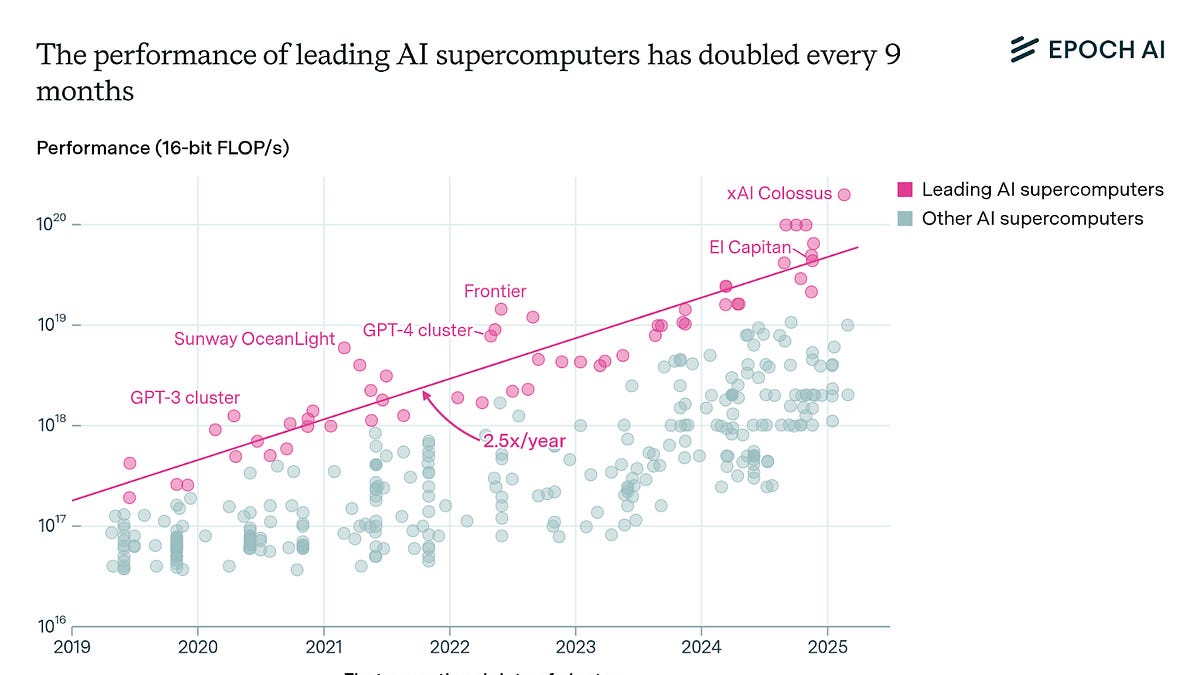
Five US tech giants now carry $1.65 trillion in off-balance-sheet debt, per Nikkei. The hidden obligations, tied to AI infrastructure leases, grew eightfold in four years and now exceed reported on-balance-sheet debt.
Key facts
- $1.65 trillion in off-balance-sheet debt at five US tech giants
- Eightfold increase in hidden debt over four years
- Hidden debt now exceeds on-balance-sheet debt
- Debt tied to AI data-center leases and equipment financing
- Morgan Stanley projects $1.2T cloud capex by 2028
A Nikkei study estimates that hidden debt at five unnamed US tech giants — almost certainly including Google, Amazon, Microsoft, Meta, and Apple — has swelled to $1.65 trillion. The figure covers off-balance-sheet obligations such as data-center leases, equipment financing, and other structured vehicles used to fund the AI infrastructure buildout.
This eightfold increase in roughly four years means these opaque debts now exceed the companies' combined on-balance-sheet debt. As a Hacker News commenter noted, institutional investors likely price this into valuations, but retail investors may be caught unaware. The structure resembles how airlines lease aircraft off-book — except here the assets are GPU clusters and data-centers.
Why the $1.65T figure matters
The scale is unprecedented. For context, Morgan Stanley recently projected the top five cloud providers' cumulative capex will hit $1.2 trillion by 2028, quadrupling compute capacity. Off-balance-sheet financing effectively lets hyperscalers report lower leverage ratios while still deploying capital at breakneck speed. If interest rates rise or leasing terms tighten, these obligations could crystallize into balance-sheet liabilities.
Intel, which recently won a Google TPU packaging deal via its EMIB-T technology, is a direct beneficiary of this spending — but also a potential casualty if hyperscalers pull back. The hidden debt makes that pullback risk harder to model.
Investor blind spot
Credit rating agencies and sell-side analysts typically adjust for off-balance-sheet debt, but the adjustment is inconsistent across firms. A 2024 study found that only 60% of analysts incorporate operating lease liabilities into net debt calculations. With AI data-center leases now running 10-15 years, the gap between reported and economic leverage is widening.
The Nikkei report does not name the five companies or provide a breakdown by firm. That opacity is itself the story: investors cannot easily compare risk profiles across the hyperscaler cohort without reverse-engineering each company's off-book exposure.
What to watch
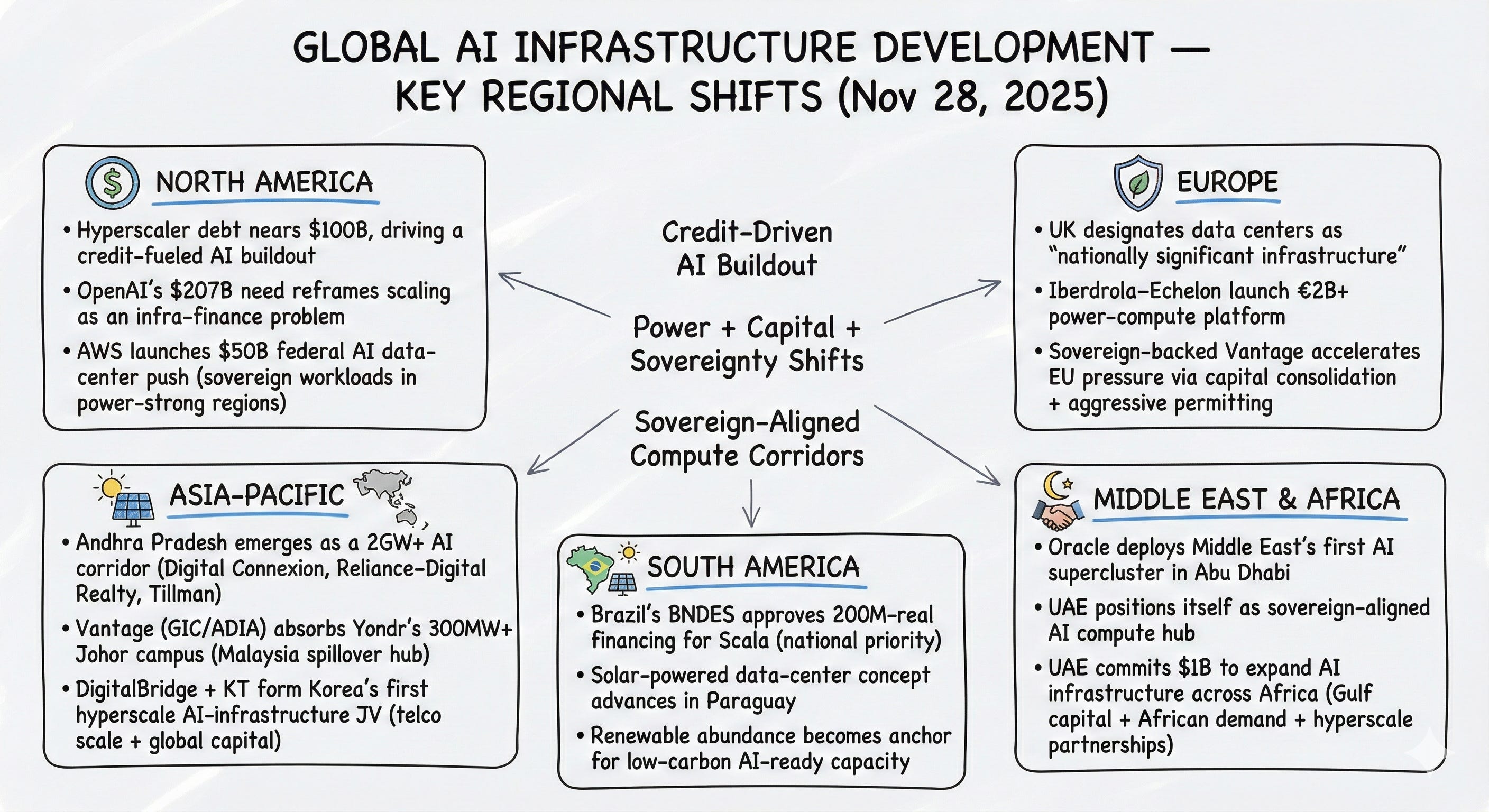
Watch for the Q3 2026 earnings calls at Amazon, Microsoft, and Google. If any announce a restatement of leverage ratios or a shift from leasing to ownership of AI infrastructure, it would confirm the Nikkei thesis and trigger broader reassessment of hyperscaler risk profiles.
Source: asia.nikkei.com