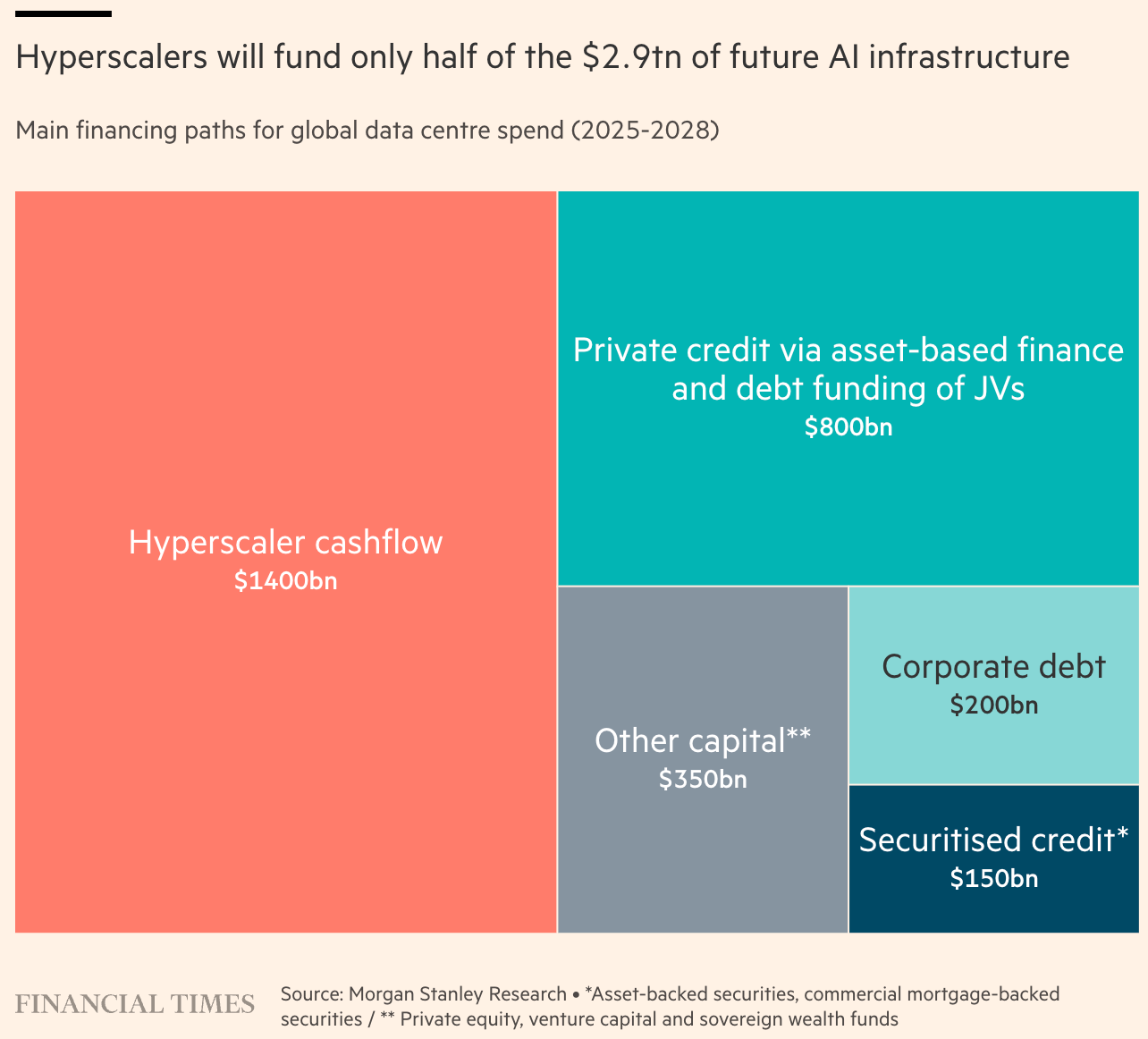
Ed Zitron's newsletter argues hyperscalers like Amazon, Microsoft, and Google are trapped in a vicious cycle where AI data center spending increases losses. The more they buy, the more they lose, as competitive pressure forces unsustainable capital outlays.
Key facts
- Hyperscalers include Amazon, Microsoft, and Google.
- AI data center spending distorts the entire market.
- Microsoft's Q4 2025 Azure AI revenue grew 20%.
- Hyperscaler AI capex-to-revenue ratio estimated at 3:1.
Ed Zitron, a tech commentator, published a newsletter arguing that hyperscalers are caught in a self-destructive loop. According to @edzitron, "the more AI data centers they buy, the more they lose." The thesis: competitive pressure to dominate the AI infrastructure race forces companies like Amazon, Microsoft, and Google to keep spending even as returns diminish.
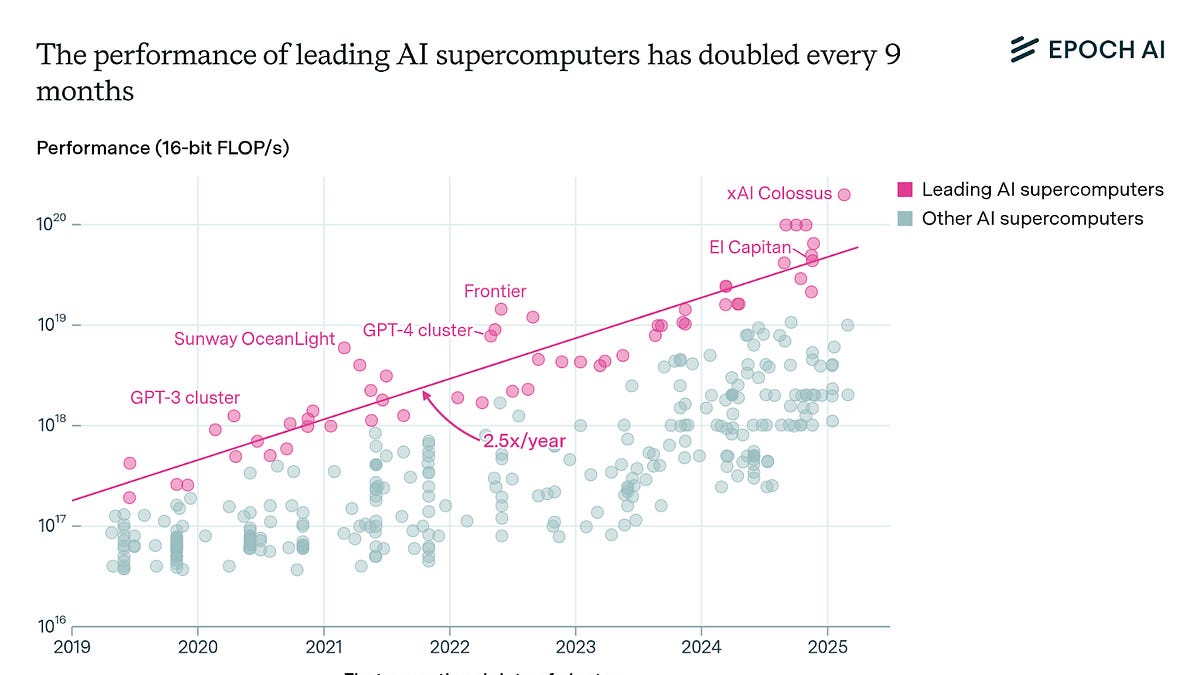
The capital outlays for AI data centers are now so large they distort the entire market. Zitron's analysis echoes a growing concern among analysts that hyperscaler capex is outpacing revenue growth from AI services. For example, Microsoft's Q4 2025 earnings showed Azure AI revenue growing 20% quarter-over-quarter, but capital expenditure rose 35% in the same period, squeezing margins.
The Vicious Cycle
The cycle works like this: each hyperscaler must match competitors' data center buildouts to avoid losing AI workload market share. But building more capacity lowers utilization rates per facility, increasing per-unit costs. The result is a race where no one wins—spending spirals while profitability erodes. Zitron's framing is contrarian to the prevailing bullish narrative that AI infrastructure spending is a necessary investment for future revenue. Instead, he positions it as a structural trap that could lead to a market correction.
Market Implications
If Zitron's thesis holds, the hyperscalers' AI capex binge could trigger a consolidation phase. Smaller cloud providers without the balance sheet to compete may be forced out, while the big three face pressure from investors to show returns. The key metric to watch is the ratio of AI infrastructure spend to AI revenue—currently estimated at 3:1 for the largest players, according to public filings.
What to watch
Watch the Q1 2026 earnings calls for Amazon, Microsoft, and Google. If any of them announce a capex reduction or pivot to leasing capacity, it would signal the cycle is breaking. Also track AI-specific revenue growth rates—if they fall below 15% quarter-over-quarter, the thesis gains credibility.