Key Takeaways
- Claude Code users should shift from static CLAUDE.md rules to conversation-based tuning.
- Correcting Claude mid-task and saving distilled outcomes yields more adaptive, context-aware business workflow learning.
The Technique
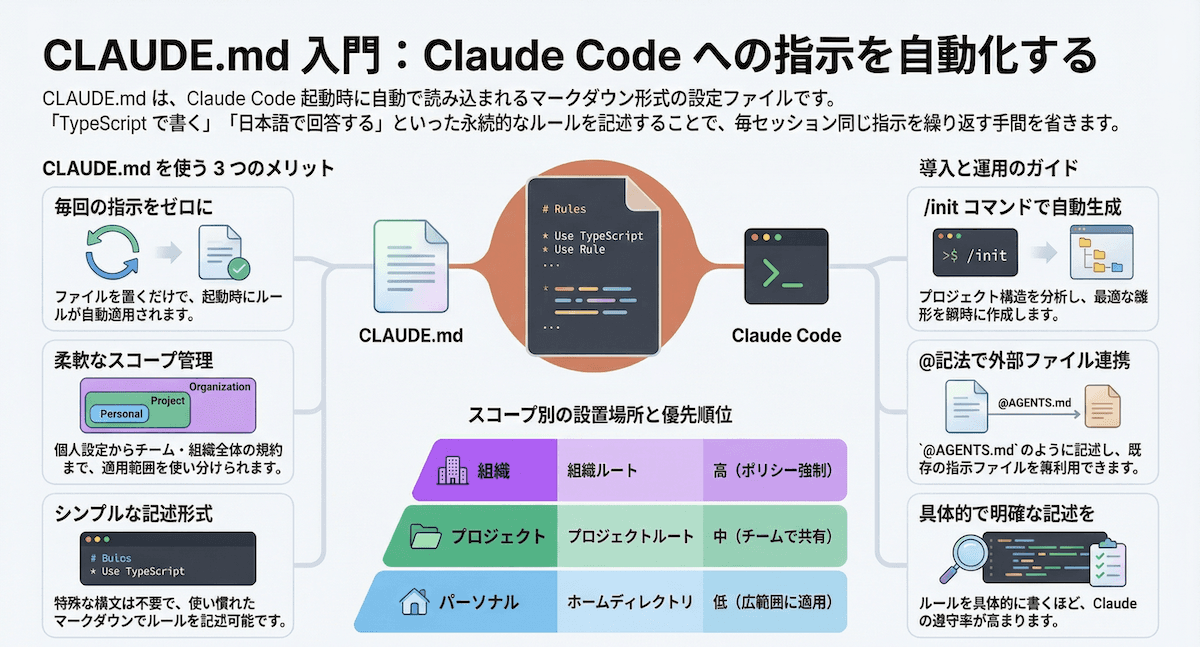
Most teams treat CLAUDE.md as a dumping ground for every project rule, business process, and coding convention they can think of. The file grows, becomes contradictory, and Claude Code starts ignoring half of it because it can't prioritize.
Andrew Jesson's approach flips this. Instead of teaching Claude Code through static memory, he teaches it through conversation. Every interaction where you correct Claude Code's output, explain why something is wrong, or guide it toward your preferred approach is a training signal. That signal is far more powerful than a rule you wrote once and forgot about.
Why It Works
Claude Code's context window is finite. When you stuff CLAUDE.md with 200 lines of business rules, you're competing for attention with the actual task at hand. Conversation-based tuning works because:
- It's contextual — Claude Code learns the rule in the situation where it applies, not in isolation.
- It's current — Business workflows change. A conversation from yesterday reflects today's reality. A memory file from last month is already stale.
- It's prioritized — When you correct Claude Code on a specific task, that correction carries more weight than a generic rule in a file.
- It's distilled — After the conversation, you save only the outcome — the refined workflow — not the entire discussion.
How To Apply It
Here's the workflow that turns conversation into persistent improvement:
1. Correct In-Context, Not After The Fact
When Claude Code produces something wrong, don't just say "fix it." Say why it's wrong:
That's not how our refund process works. We require manager approval for anything over $500, then the finance team needs the ticket number. Fix it with that flow in mind.
This teaches Claude Code the business logic, not just the output.
2. Ask For Its Reasoning
When Claude Code does something right, ask why:
That worked well. Walk me through how you decided on that structure so I know what to look for next time.
This forces Claude Code to articulate its mental model, which you can then correct or confirm.
3. Save Only The Distilled Outcome
After the conversation, update CLAUDE.md with a one-liner that captures the refined workflow:
## Refund Process (updated 2026-08-07)
- Manager approval required for >$500
- Finance needs ticket number after approval
- Customer email must be sent within 24h of approval
Not the full conversation. Just the outcome. This keeps CLAUDE.md lean and current.
4. Use Skills For Repeatable Workflows
Claude Code 2.1.221+ supports skills — reusable instruction packs stored in ~/.claude/skills/. When a conversation reveals a repeatable pattern, package it as a skill:
claude --skill refund-processing
This turns your conversational learning into a portable asset without bloating CLAUDE.md.
What This Means For Your Workflow
Stop writing rules. Start having conversations.
The next time you're tempted to add a 50-line section to CLAUDE.md, instead: run a task, correct Claude Code's approach conversationally, and save a 3-line distilled outcome. Over a week, you'll have a CLAUDE.md that's 80% smaller and 200% more accurate.
This also pairs well with Plan mode (introduced in recent Claude Code releases). Before a cross-file refactor, use Plan mode to discuss the approach conversationally first. Correct the plan before any code is written — that's the cheapest feedback loop you'll ever have.
Source: andrewjesson.com