Most developers hit a wall with Claude Code because they're using the wrong mental model. They treat it like a smarter chatbot that should understand everything immediately. That approach leads to frustration, wasted tokens, and missed potential.
Claude Code is fundamentally different—it's a reasoning engine that works best when you understand its four core components: Context, Skills, Hooks, and Subagents.
Context: The Foundation That Most Developers Get Wrong
Context isn't just "what you tell Claude." It's the structured environment you create for reasoning. The biggest mistake? Dumping your entire codebase into the chat and expecting miracles.
What works instead:
- Progressive context loading: Start with architecture, then add specific modules as needed
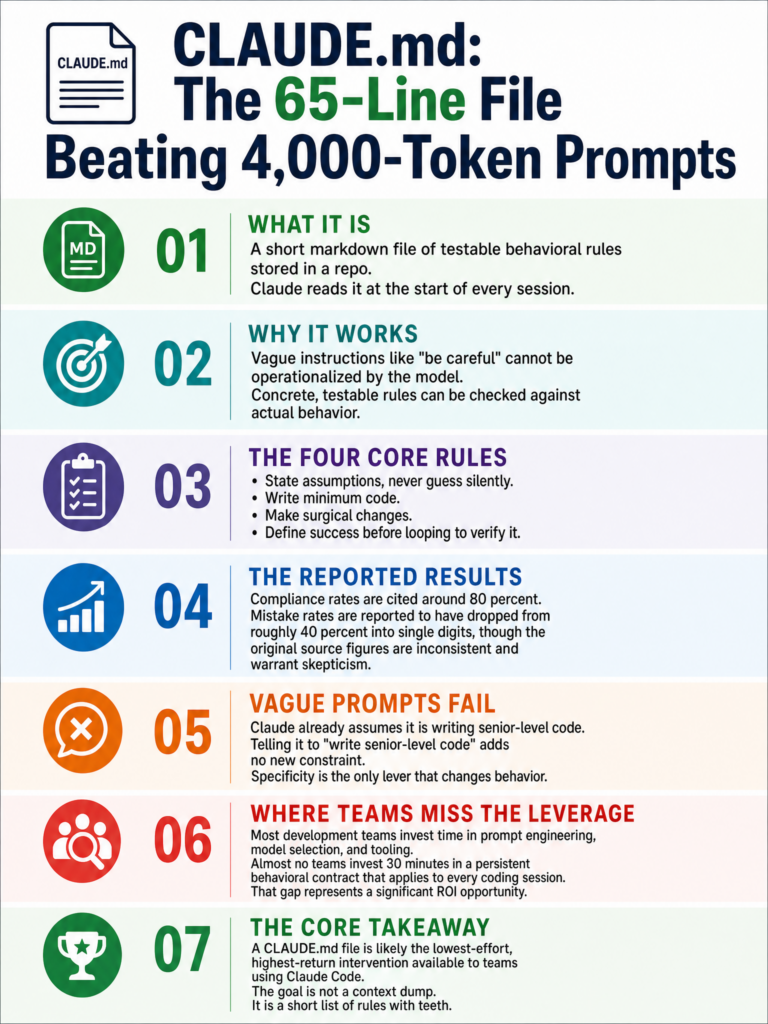
- CLAUDE.md as your project brain: This isn't just documentation—it's Claude's working memory. Update it after every significant change
- Context windows as checkpoints: Use
claude code --compactto save token space, then reference previous reasoning with specific file paths
Example of bad context: "Here's my 50-file React app, fix the bug."
Example of good context: "Project is a React/TypeScript e-commerce app. The bug occurs in cart.tsx when adding items. Here's the relevant component structure and the error trace."
Skills: Claude's Built-In Capabilities You're Probably Underusing
Skills aren't just features—they're Claude's native abilities that you can trigger with the right prompts. Most developers use maybe 20% of what's available.
Key skills you should be activating:
- Autonomous file navigation: Instead of telling Claude exactly what to edit, say "Explore the authentication flow and identify the security issue"
- Multi-step reasoning chains: Claude can hold complex logic across multiple operations. Use phrases like "First analyze, then propose solutions, then implement the best one"
- Pattern recognition across files: Claude excels at finding similar patterns. "Find all instances where we're not handling API errors and standardize the approach"
Hooks: The Secret to Persistent Project Intelligence
Hooks are how Claude maintains continuity across sessions. Without them, you're starting from scratch every time.
Essential hooks to implement:
- CLAUDE.md updates: After every significant change, have Claude update this file with what was learned
- Decision logs: When Claude makes architectural choices, document them in
DECISIONS.md - Error pattern tracking: Keep a running list of resolved issues so Claude can recognize similar problems
Example hook workflow:
# After fixing a bug
claude code "Fix the cart calculation bug. After fixing, update CLAUDE.md with:
- Root cause identified
- Solution implemented
- Similar patterns to watch for in other components"
Subagents: When and How to Split Complex Tasks
Subagents aren't separate instances—they're different reasoning modes you can trigger within the same session. The key is knowing when to use them.
Subagent patterns that work:
- Architect: "Act as system architect and redesign this module for scalability"
- Debugger: "Switch to debug mode and trace through this async function execution"
- Code reviewer: "Review this PR as if you're a senior engineer focused on security"
- Documentation specialist: "Rewrite these comments as comprehensive API documentation"
The magic happens when you chain subagents: "First architect the solution, then implement as senior developer, then review as security expert."
Putting It All Together: A Real Workflow
Here's how these concepts combine in practice:
# 1. Start with structured context
claude code --compact "Project: Node.js microservice for user notifications. Current issue: Webhook delivery failures."

# 2. Activate specific skills
"Analyze the webhook delivery system. Identify failure patterns across the last 24 hours of logs."

# 3. Use hooks to maintain intelligence
"Based on your analysis, update CLAUDE.md with:
- Common failure scenarios
- Retry logic improvements needed
- Monitoring gaps identified"

# 4. Employ subagents for complex implementation
"First, act as architect and design the improved retry system. Then implement as senior backend engineer. Finally, review as DevOps specialist for production readiness."
The One Change That Matters Most
Stop thinking "What should I tell Claude?" Start thinking "What reasoning environment should I create?"
Your role isn't to give perfect instructions—it's to set up the right context, activate the appropriate skills, maintain hooks for continuity, and deploy subagents when complexity demands it.
When you make this mental shift, Claude Code transforms from a sometimes-helpful assistant to a consistently brilliant collaborator. The failures that seemed like Claude's limitations were actually gaps in your approach to working with a reasoning engine.
Try this today: Pick one complex task you've been avoiding. Instead of asking Claude to solve it, build the reasoning environment first. Set up the context, plan which skills you'll need, establish hooks for what you'll learn, and identify which subagent perspectives will help. Then watch how differently Claude performs.