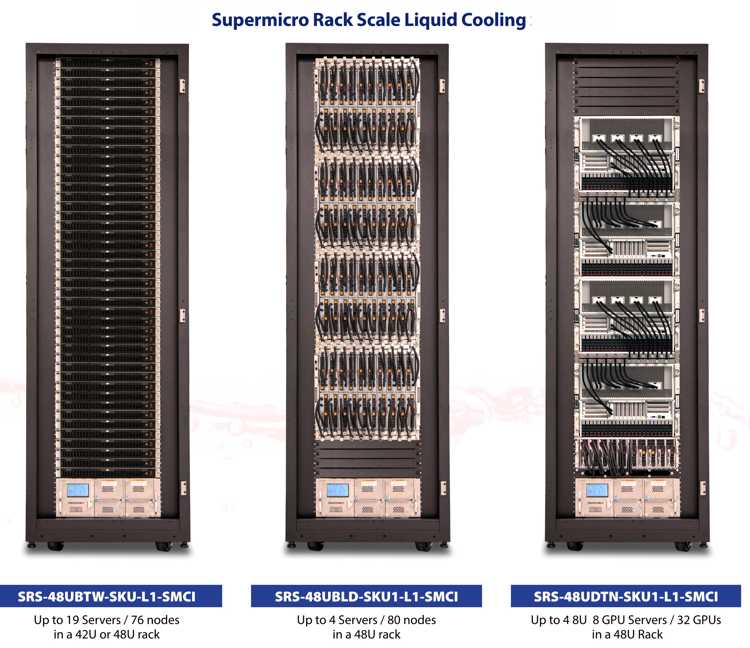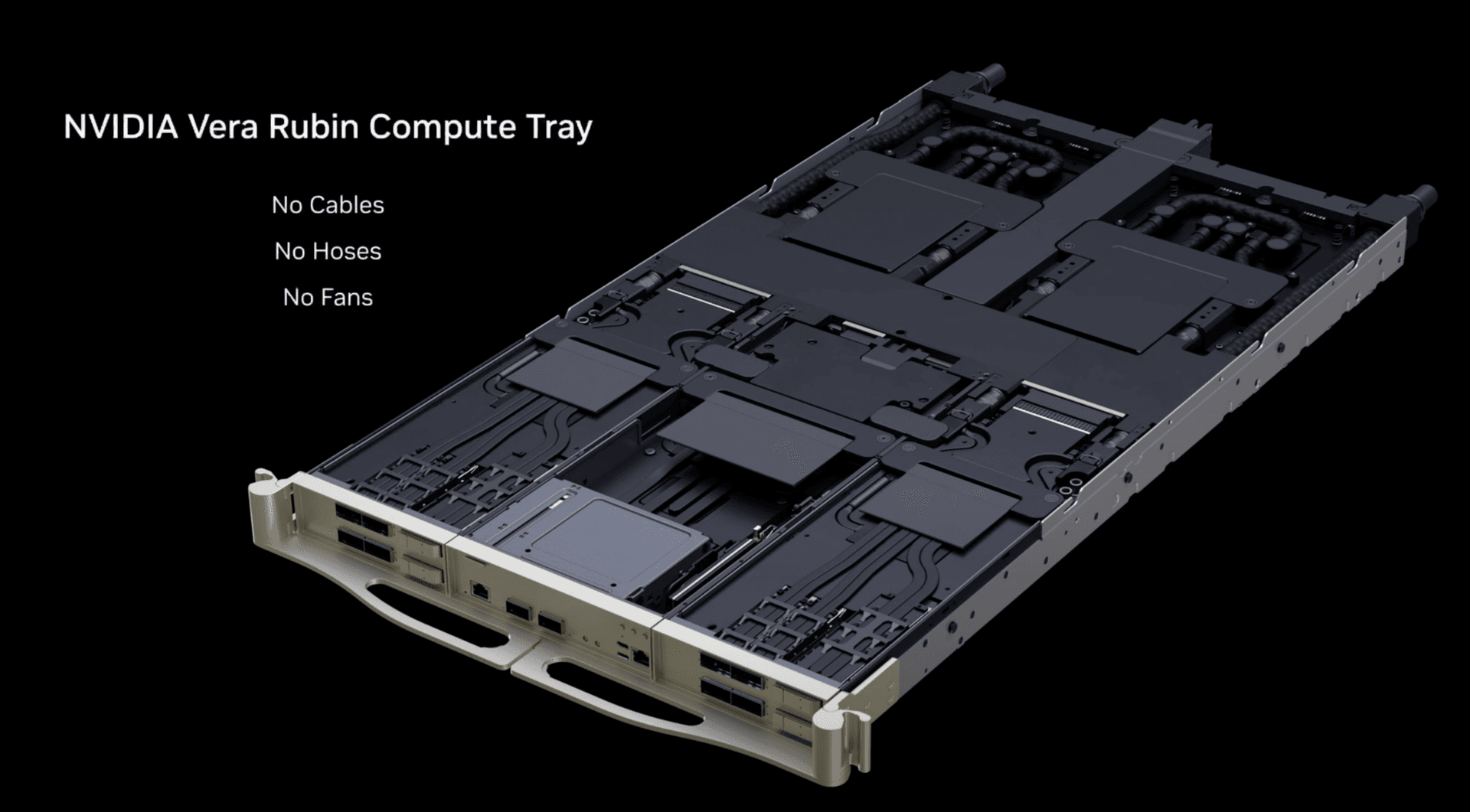
Supermicro demonstrated the Vera Rubin NVL72 rack with a novel coolant system at a June 2026 event. The new coolant type targets higher power densities for Nvidia's next-generation AI GPU clusters.
Key facts
- Supermicro showed Vera Rubin NVL72 rack in June 2026.
- New coolant type targets higher power densities.
- Rack designed for Nvidia's upcoming Rubin GPU architecture.
- Expected to ship in early 2027.
- Coolant claims improved thermal efficiency over traditional liquid cooling.
Supermicro showed off the Vera Rubin NVL72 rack, designed for Nvidia's upcoming Rubin architecture, at a recent event [According to MSN]. The rack features an all-new type of coolant, which the company claims improves thermal efficiency over traditional liquid cooling methods.
The Vera Rubin NVL72 rack is a high-density system aimed at supporting the massive compute requirements of next-generation AI training and inference workloads. While Supermicro did not disclose specific thermal performance numbers, the new coolant is designed to handle the higher power densities expected from Nvidia's Rubin GPUs.
The rack is expected to ship in early 2027, aligning with Nvidia's roadmap for the Rubin platform. Supermicro's move comes as data center operators scramble to manage the escalating power and cooling demands of AI clusters, with total cost of ownership for cooling systems becoming a critical factor.
According to the source Supermicro claims the coolant improves thermal efficiency over traditional liquid cooling.
here is the coolant innovation itself. While the industry has largely converged on direct-to-chip liquid cooling for high-density racks, Supermicro's new approach suggests a divergence in thermal management strategies. This could signal a shift away from standard water-based coolants towards proprietary fluids that offer better heat transfer or lower environmental impact, though the company has not specified the coolant's composition.
Key Takeaways
- Supermicro showed Vera Rubin NVL72 rack with new coolant.
- Rack targets Nvidia Rubin GPUs, ships early 2027.
Competitive Context
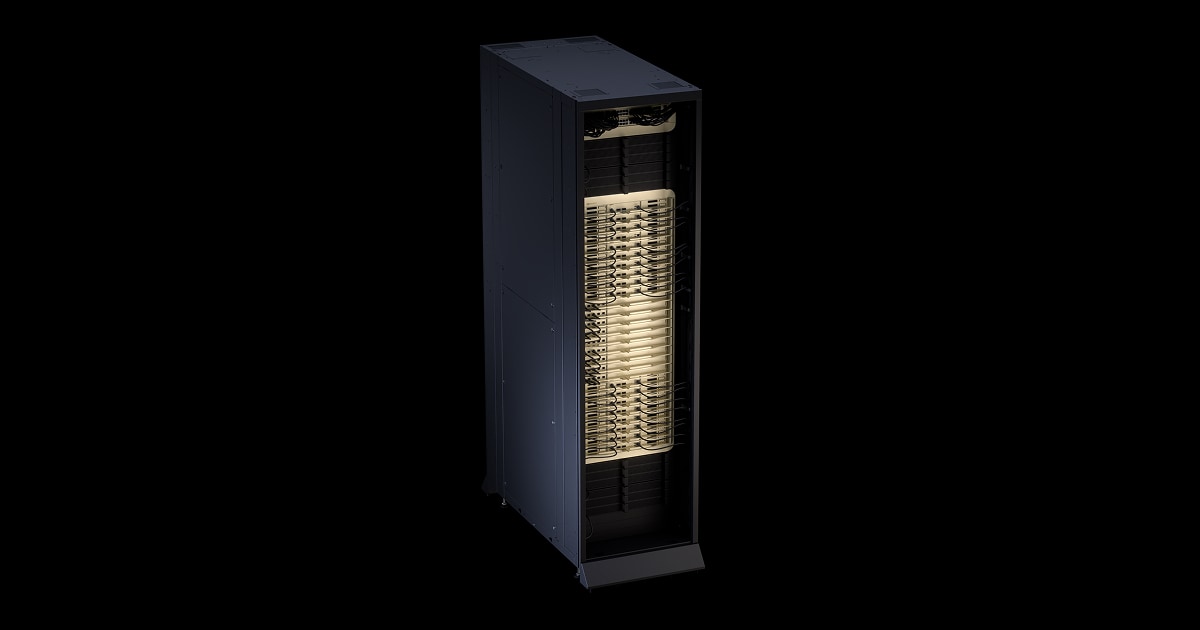
Nvidia's Rubin architecture, expected to succeed Blackwell, will likely push GPU power consumption beyond 1,500W per chip. Current liquid cooling solutions, such as those used for Nvidia's NVL72 systems, already require sophisticated plumbing and heat exchangers. Supermicro's new coolant could offer a competitive edge if it reduces the complexity or cost of these systems.
Google, a major AI infrastructure player, has been booking Intel for 3M+ TPUs in 2028 [According to our prior reporting], indicating the scale at which cooling solutions will be tested. Supermicro's timing—shipping the rack in early 2027—positions it to capture demand from hyperscalers and enterprise AI labs alike.
What to Watch
The key question is whether Supermicro's new coolant is a proprietary formulation or a licensed technology, and whether it will be adopted by other OEMs. Watch for thermal performance benchmarks at a major trade show like SC26 or CES 2027, and for any partnerships with data center operators for pilot deployments.
Source: news.google.com
[Updated 15 Jun via gn_gpu_cluster]
A new report from Crypto Briefing details Nvidia's GB300 NVL72 achieving 61,400 concurrent AI agents per megawatt, a 20x efficiency leap over the H200 generation. This benchmark underscores the thermal challenges the Vera Rubin NVL72 must address, as Supermicro's novel coolant is designed to sustain such extreme power densities without throttling. The efficiency metric positions Rubin as a critical upgrade for hyperscalers, making cooling performance a decisive factor in adoption.
[Updated 16 Jun via gn_gpu_cluster]
CoreWeave has become the first operator to deploy and validate Supermicro's Vera Rubin NVL72 rack at scale, confirming the new coolant system performs under real-world workloads [per Yahoo Finance]. The deployment, which took place ahead of the previously expected early 2027 timeline, suggests Supermicro's thermal solution has cleared a critical certification hurdle with a major cloud provider.