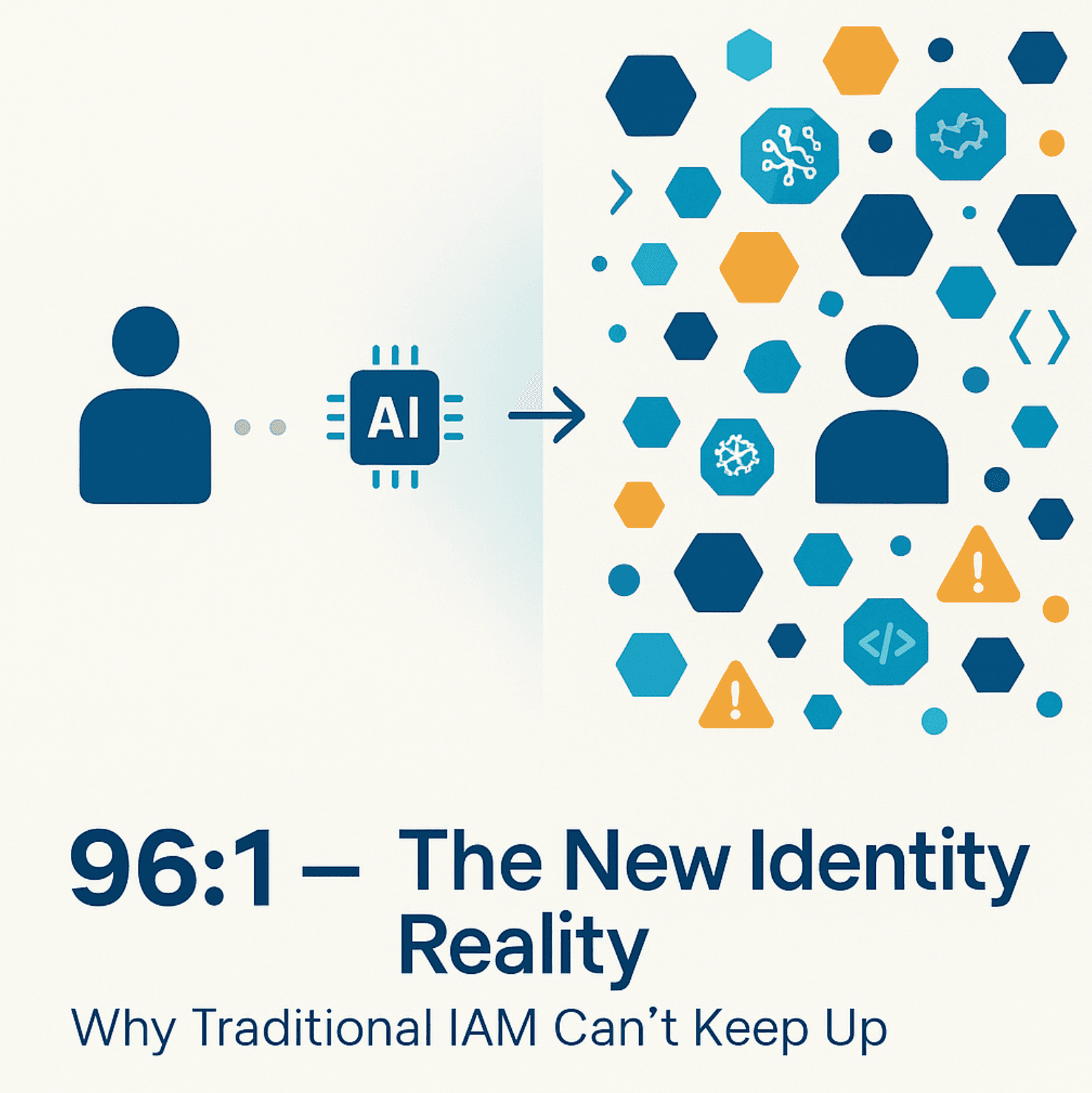
In the rapidly evolving landscape of artificial intelligence, a critical vulnerability has emerged that challenges conventional security thinking. According to AI security expert Akshay Pachaar, the fundamental problem with AI agents isn't traditional security—it's identity. This insight reveals a structural flaw in how organizations deploy and manage autonomous AI systems that could have far-reaching implications for enterprise security, compliance, and operational integrity.
The Shared Identity Problem
The scenario Pachaar describes is both simple and alarming: an organization deploys 47 distinct AI agent workflows across its infrastructure. At 3 AM, one of these agents makes an unauthorized modification to a production database. When security teams investigate, they discover all 47 agents used the same credentials or identity, making it impossible to determine which specific agent was responsible for the action.
This identity crisis creates what security professionals call a "non-repudiation" problem—the inability to definitively attribute actions to specific entities. In traditional IT systems, each user, service, or application typically has distinct credentials that create an audit trail. With AI agents sharing identities, this fundamental accountability mechanism breaks down.
Why This Matters More Than Traditional Security
Traditional security frameworks focus on preventing unauthorized access through authentication and authorization controls. However, these frameworks assume that once access is granted, actions can be traced back to specific identities. AI agents challenge this assumption in several ways:
Scale and Autonomy: AI agents operate at scales and speeds that human operators cannot match. A single compromised or misconfigured agent can cause widespread damage before human intervention is possible.
Decision Complexity: Unlike traditional automated systems that follow predetermined rules, AI agents make complex decisions based on learned patterns and environmental inputs. This makes their behavior harder to predict and audit.
Credential Sharing: The practice of sharing credentials among multiple agents creates what security experts call an "identity sprawl" problem, where the distinction between legitimate entities becomes blurred.
The Technical Roots of the Identity Crisis
The identity problem stems from several technical and architectural decisions in AI agent deployment:
API Key Management
Many AI agents authenticate using shared API keys rather than individual credentials. This approach simplifies deployment but eliminates individual accountability. When 47 agents share the same API key, security systems see them as a single entity.
Service Account Proliferation
In enterprise environments, AI agents often run under service accounts with broad permissions. These accounts frequently lack the granular identity management that human users receive, creating security blind spots.
Audit Trail Fragmentation
Even when logging is implemented, shared identities mean that audit trails become meaningless for attribution purposes. Security teams can see that "an agent" performed an action but cannot determine which specific agent was responsible.
Real-World Implications
The identity crisis has concrete consequences for organizations deploying AI agents:
Compliance Challenges
Regulatory frameworks like GDPR, HIPAA, and various financial regulations require organizations to maintain detailed audit trails of who accessed what data and when. Shared agent identities make compliance nearly impossible, potentially exposing organizations to significant legal and financial penalties.
Incident Response Limitations
When security incidents occur, response teams need to quickly identify affected systems and contain threats. With shared identities, containment becomes exponentially more difficult, as teams cannot isolate specific compromised agents without potentially disrupting legitimate workflows.
Operational Risk
The inability to attribute actions to specific agents creates operational risks beyond security. If an agent makes an incorrect business decision or causes a system failure, organizations cannot properly diagnose the root cause or implement targeted fixes.
Toward a Solution: Agent Identity Management
Addressing the AI agent identity crisis requires a fundamental shift in how organizations think about and implement agent security:
Unique Agent Identities
Each AI agent should have a distinct cryptographic identity that cannot be shared or duplicated. These identities should be tied to specific agent instances, not just agent types or workflows.
Granular Permission Models
Instead of granting broad permissions to groups of agents, organizations need fine-grained permission systems that align with the principle of least privilege. Each agent should only have access to the specific resources necessary for its designated function.
Comprehensive Audit Trails
Security systems must capture not just that "an agent" performed an action, but exactly which agent, with sufficient context about the agent's configuration, training data, and decision-making process at the time of the action.
Behavioral Biometrics
Advanced identity solutions might incorporate behavioral patterns specific to individual agents—their typical decision-making patterns, response times, and interaction styles—to create more robust identity verification systems.
The Future of Agent Security
As AI agents become more sophisticated and autonomous, the identity problem will only grow more critical. Future developments might include:
- Blockchain-based identity systems that provide immutable audit trails for agent actions
- Federated identity frameworks specifically designed for multi-agent systems
- AI-native security protocols that treat agent identity as a first-class security concern rather than an afterthought
Organizations that fail to address the identity crisis now may find themselves facing unmanageable security and compliance challenges as their AI deployments scale.
Conclusion
The identity problem represents a paradigm shift in how we think about AI security. Traditional approaches focused on keeping unauthorized entities out are insufficient when the authorized entities themselves cannot be distinguished from one another. As Akshay Pachaar's insight makes clear, until organizations solve the identity crisis, their AI agents will remain vulnerable not to external attacks, but to internal confusion and accountability failures.
Solving this problem requires rethinking fundamental assumptions about identity, authentication, and audit in automated systems. The organizations that succeed will be those that recognize that in the age of AI, security isn't just about who gets in—it's about knowing who did what, when, and why.
Source: @akshay_pachaar on Twitter