In a move that underscores the growing political and infrastructural tensions surrounding artificial intelligence, former President Donald Trump is reportedly bringing the CEOs of Amazon, Google, Meta, Microsoft, Elon Musk's xAI, Oracle, and OpenAI to the White House. The purpose: to sign a "Rate Payer Protection Pledge," a commitment that would obligate these companies to generate or purchase their own electricity for new AI data centers, rather than drawing power from the public grid. This development, first reported via social media, highlights how the explosive energy demands of the AI boom are rapidly evolving from a technical challenge into a potent domestic political issue with significant implications for national infrastructure, economic policy, and the future of technological innovation.
The Core of the Pledge: Decoupling AI Growth from the Public Grid
The reported pledge represents a proactive, if controversial, policy intervention. Its central tenet is straightforward: for every new data center built or expanded specifically for AI computational workloads, the signing company must ensure the associated power is "self-supplied." This could be achieved through several means:
- Building dedicated power generation facilities, such as natural gas plants, solar farms, or next-generation nuclear reactors (e.g., Small Modular Reactors) on or near data center campuses.
- Enterering into long-term Power Purchase Agreements (PPAs) with independent power producers for new, additional generation that is not part of the existing utility rate base.
- Investing heavily in on-site storage and advanced microgrid technologies to manage load and ensure reliability without grid dependence.
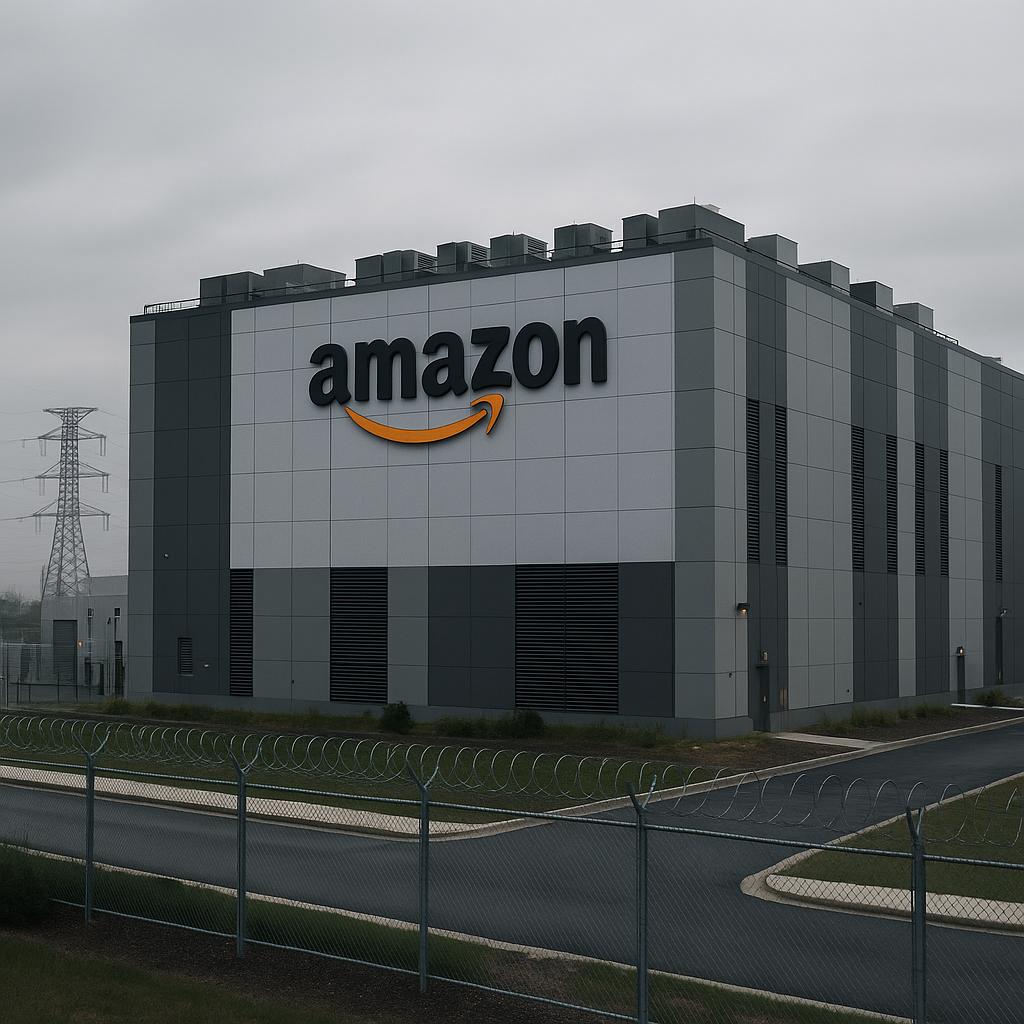
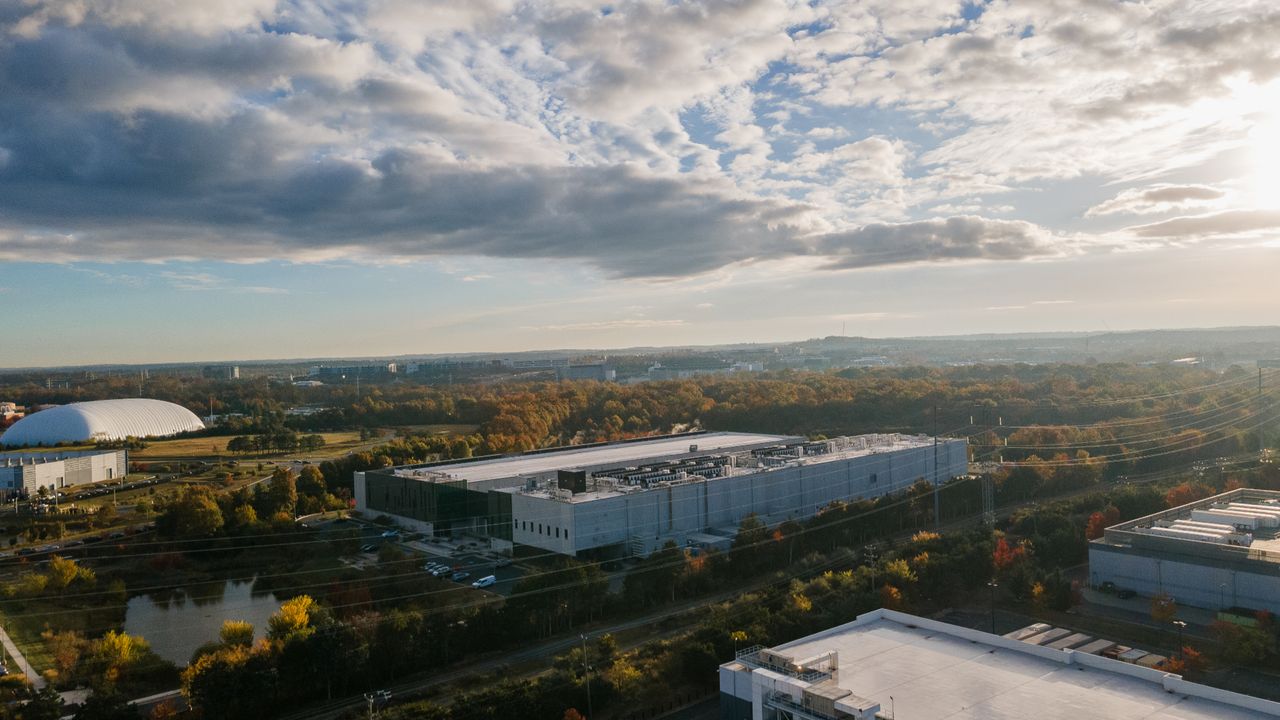
The explicit goal is to shield ordinary utility customers—the "rate payers"—from shouldering the cost of grid upgrades necessitated by AI's voracious appetite for electricity. A single large AI data center can consume more power than a medium-sized city, and concentrated development in areas like Northern Virginia has already strained local grids, leading to concerns about reliability and rising electricity bills for residential and commercial users.
The Political Calculus: Energy as a Campaign Issue
The initiative is framed explicitly as consumer protection, tapping into broader economic anxieties. By positioning it as a "Rate Payer Protection Pledge," the move aligns with a populist economic message, arguing that the benefits of the AI boom should not come at the expense of the average American's household budget. It transforms a complex infrastructure issue into a relatable matter of fairness and fiscal responsibility.
This approach also allows a candidate to champion both technological progress and the economic concerns of everyday voters, potentially neutralizing criticism that AI investment ignores domestic hardships. Furthermore, it addresses a genuine, bipartisan policy concern: the aging U.S. electrical grid is struggling to keep pace with demand from electrification, manufacturing, and now AI. By pushing the private sector to solve its own power problem, the policy ostensibly relieves pressure on public utilities and taxpayers.
Implications for the Tech Industry and AI Development
For the tech giants involved, the pledge is a double-edged sword.
On one hand, it presents significant challenges:
- Increased Capital Costs: Building or securing dedicated power generation is vastly more expensive than plugging into the grid. This could raise the barrier to entry for AI development, potentially cementing the dominance of the current hyperscalers who can afford such investments.
- Operational Complexity: Managing power assets adds a layer of operational risk and expertise far removed from these companies' core competencies in software and hardware.
- Siting and Permitting: Constructing power plants, even clean ones, involves navigating a labyrinth of local, state, and federal regulations, which could slow down the breakneck speed of AI deployment.
On the other hand, it may offer strategic advantages:
- Energy Independence and Price Stability: Self-generation can insulate companies from volatile electricity markets and potential future regulatory constraints on grid power consumption.
- Accelerating Clean Energy Innovation: To meet ESG goals and public expectations, companies would be incentivized to invest heavily in cutting-edge, carbon-free generation like advanced geothermal, green hydrogen, or SMRs, potentially accelerating these technologies' paths to commercialization.
- Regulatory Preemption: A voluntary, high-profile pledge could be seen as an effort to forestall more stringent, mandatory regulations from future administrations or Congress.
Broader Context: A Global Trend and a National Inflection Point
This is not an isolated proposal. Concerns over AI's energy drain are global. In the UK, the government has warned that the AI sector could consume a significant portion of the national power generation by 2030. Ireland and Singapore have faced moratoriums or strict limits on new data center connections due to grid constraints.
The U.S. now stands at an inflection point. The "build your own power" model championed by this pledge represents one potential path—a decentralized, private-sector-led approach. The alternative is a massive, coordinated public investment in grid modernization and generation capacity, akin to a 21st-century equivalent of the Interstate Highway System, but for electrons. The chosen path will have profound consequences for national competitiveness, energy security, and the geographic distribution of the AI industry.
Looking Ahead: Questions and Uncertainties
The announcement, while significant, leaves several critical questions unanswered:
- Enforcement and Timeline: Is this a voluntary gentlemen's agreement or would it be backed by legislation or executive action? What is the timeline for implementation?
- Definitional Clarity: What exactly constitutes a "new AI data center"? How are upgrades and expansions to existing facilities treated?
- Impact on Innovation: Will this model stifle smaller AI startups and academic research that cannot afford off-grid power solutions, potentially concentrating power in the hands of a few giants?
- Environmental Trade-offs: While it may protect ratepayers, will pushing companies to build their own generation lead to a proliferation of fossil-fuel-powered plants in the short term, as they are the fastest to permit and build?
The convening of these tech CEOs at the White House marks a recognition that the AI revolution is not just happening in silicon chips and algorithms, but in watts and volts. The "Rate Payer Protection Pledge" is a bold political gambit that seeks to manage the colossal secondary effects of AI before they trigger a widespread public backlash. Its success or failure will help determine whether America's AI ambitions are powered by a collaborative national strategy or become a race between private titans to secure their own energy futures.
Source: Initial report from @kimmonismus on X/Twitter, citing a forthcoming White House meeting and policy initiative.