What Changed — Anthropic's Subprocessor Update
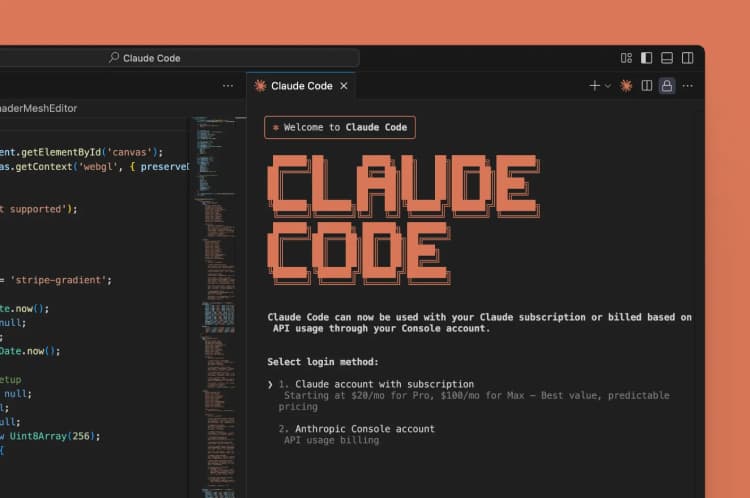
Anthropic has made changes to its subprocessors—the third-party services it uses for data processing, storage, and other essential functions. This is a backend infrastructure update focused on enhancing the reliability, safety, and compliance of its AI offerings. While the source article is light on specific vendor names, the intent is clear: tightening data handling to meet higher security and ethical standards. This follows a period of significant growth and feature releases for Anthropic, including the launch of Claude Code Auto Mode and the /dream command in March 2026.
What It Means For Your Claude Code Workflow
For developers using Claude Code daily, this isn't about a new CLI flag or model capability. It's about the foundation your tools are built on. The changes are designed to improve:
- Operational Transparency & Auditing: The source mentions "Enhanced Replay and Tracking Capabilities." In practice, this could mean more robust logging for API calls and data processing, which is crucial for debugging complex agentic workflows and proving compliance in regulated industries.
- Data Security: By refining subprocessor relationships, Anthropic is minimizing third-party risk. This is critical if you use Claude Code with sensitive codebases or proprietary data, especially in light of Anthropic's reported partnerships with entities like the U.S. Department of Defense.
- Analytical Foundations: Better backend data processing ("Comprehensive Analytics and Intelligence") can lead to more accurate and performant AI outputs over time, indirectly benefiting all Claude Code tasks.
Actionable Steps for Claude Code Developers
Review the Trust Page: Visit
https://trust.anthropic.com. This is your source of truth for understanding which companies handle data when you use Claude's APIs or products. Knowing your data's path is a core best practice.Audit Your Own Prompts and Data: Anthropic's move is a prompt for you to do the same. Review what data you send to Claude Code.
- Use the
--no-contextor--compactflags in the CLI when working with public or non-sensitive code to minimize data exposure. - Be explicit in your
CLAUDE.mdabout data boundaries: "Do not use any code snippets from theprivate/directory in your analysis." - If you use MCP servers to connect Claude Code to databases or internal APIs, ensure those servers and their dependencies are also using vetted, secure subprocessors.
- Use the
Stay Updated: This subprocessor change is part of a larger trend. Anthropic has been highly active, with 92 mentions in our ecosystem this week alone, rumored new models ("Mythos," "Capybara") on the horizon, and projections to surpass OpenAI in revenue. Infrastructure updates like this often precede or enable new user-facing features. Monitor official channels for announcements that might affect Claude Code's capabilities or data policies.